





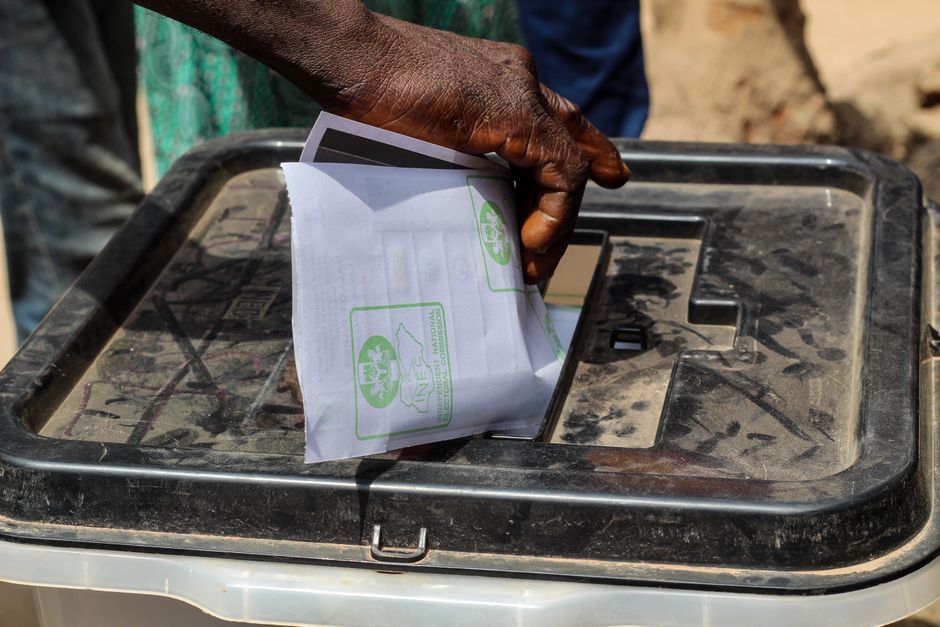
The nation of Zambia is poised to witness a pivotal presidential election, where President Hakainde Hichilema seeks a second term in office. Polls have opened this Thursday morning at 6:00 AM (04:00 GMT) across the country, with an estimated 8.7 million registered voters to participate in the contest. The race, dominated by concerns over Zambia’s burgeoning economic challenges, has been characterized by a significant increase in the cost of living, exceeding 70 percent of the population’s living expenses, according to World Bank data. While inflation has shown a slight decline to 6.8 percent in April, and the Kwacha currency has experienced a notable strengthening, widespread financial hardship remains a pressing concern for many Zambians. The unemployment rate currently sits at approximately 10 percent, highlighting a persistent challenge in the labor market. Furthermore, the government’s economic reforms, introduced under President Hichilema’s leadership, have been met with considerable debate, with observers expressing concern regarding their potential impact on long-term economic stability. The 64-year-old tycoon, Hakainde Hichilema, has campaigned on a platform of job creation and a substantial infrastructure drive, aiming to secure a five-year term. His primary challenger, Brian Mundubile, a former minister within the Patriotic Front (PF) government, which governed Zambia from 2011 to 2021, is running under the newly formed NRPUP party, which draws support from former PF constituents. Mundubile’s entry into the race on May 6th injected considerable uncertainty into the election, with his party’s stated intent to initiate a national reset and reconciliation process, aiming to address deep societal divisions. During a Wednesday broadcast, Mundubile asserted the government had tightened restrictions on his party’s campaign and expressed a belief that the election would be free and fair, though he did express concerns regarding the election’s integrity. He stated that an opposition victory would begin with a ‘national reset’ and a focus on reconciliation, emphasizing the country’s deeply divided political landscape. The electoral process will involve the election of 226 parliamentarians, a significant increase from the previous 156, representing a substantial shift in the political landscape. Traditionally, voting has followed regional lines, with Hichilema’s party exhibiting a stronger presence in the south and west, while the PF retains pockets of support in the northern region and the Copperbelt. Results are expected to be announced by August 17th, with a runoff vote required if no candidate receives a majority of the total votes cast. The winner needs more than 50 percent of the national vote to avoid a run-off election, signifying a crucial threshold for ensuring a stable and enduring leadership transition.” }”””””””””””””””””””””””””””””””
Source: Al Jazeera