





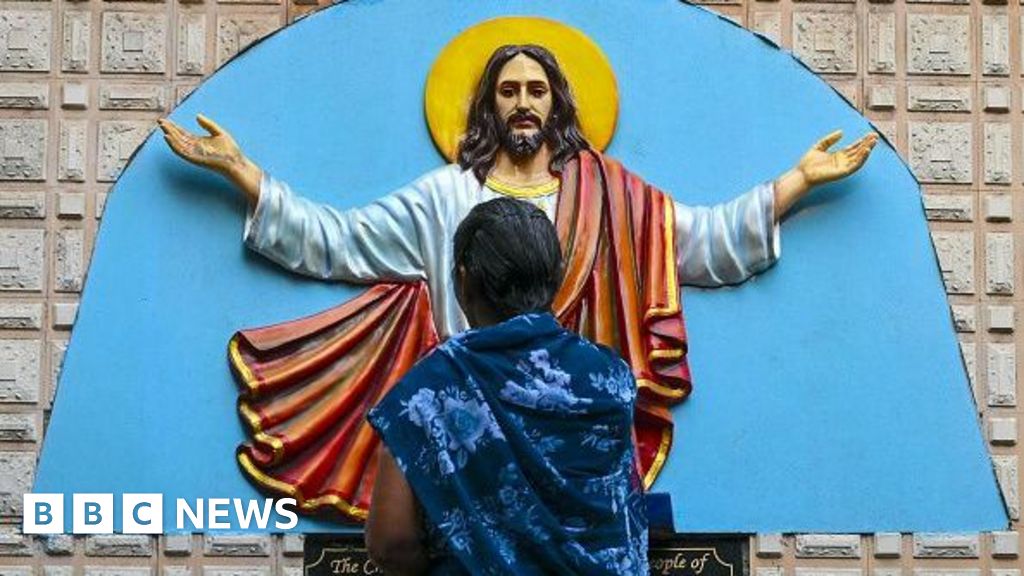
Maharashtra has enacted a new law restricting religious conversions, aiming to protect vulnerable individuals from forced practices. The law prohibits conversion brought about by force, fraud, or coercion, requiring voluntary notification. Churches now keep written declarations, with forms including names, IDs, and signatures, ensuring a record of any prayer meeting challenges. Maharashtra’s government argues the law safeguards socially vulnerable individuals. However, critics express concerns about the broad definition and severe penalties, potentially attracting police involvement into private decisions. The law applies to all religions, and the practice is most felt among Christians, who face increased scrutiny and potential legal action. A recent investigation by The Indian Express documented disruptions of Christian prayer meetings. Hindu nationalist groups accuse Christians of manipulating religious practices for political gain, citing alleged coerced conversions and alleged conspiracies involving money, education, and marriage. The law defines ‘allurement’ as employment, free education, marriage, or a better lifestyle, raising concerns about potential targeting of interfaith couples. Retired judge Thipsay warns that the law’s vagueness might lead to misuse of the law, potentially allowing families to unfairly accuse a partner of attempting to convert them. Tribhuvan, a Christian prayer leader, emphasizes the right to choose, stating that individuals should not be stopped from attending prayers, even if they aren’t Christian, reflecting a core concern about the law’s potential impact on private gatherings.
Source: BBC News