





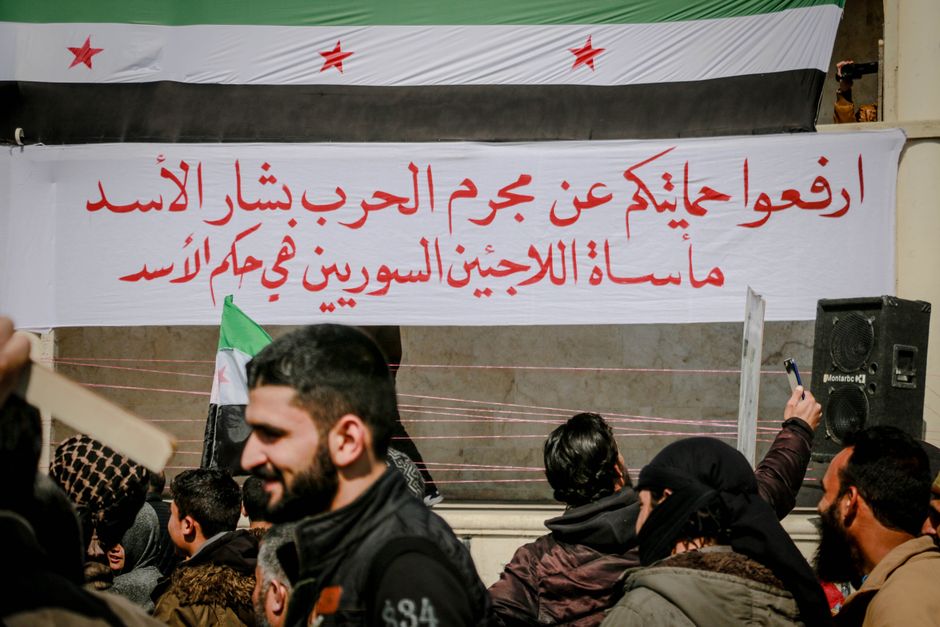
Atef Najib, a former Syrian security official widely recognized as a key figure in overseeing a regime of violence and repression, has been sentenced to death by a court in Damascus following a lengthy trial concerning the Syrian revolution crackdown. On Tuesday, Najib was sentenced alongside ousted Syrian President Bashar al-Assad and his younger brother, Maher al-Assad, who also received the death penalty in absentia for crimes including premeditated murder. The Fourth Criminal Court, overseeing the final review of the case, found that crimes committed by al-Assad’s government in Deraa province in 2011 constituted crimes against humanity. Unlike al-Assad and members of his family who fled to Russia when the regime fell in December 2024, Najib has been in detention in Syria since January 2025. During his trial, Najib was charged with at least ten crimes, including murder, torture, and responsibility for massacres, alongside crimes against humanity linked to the 2011 Deraa crackdown on protesters. The Ministry of Interior’s general security forces arrested Najib in January 2025 during a campaign targeting remnants of the former government in Latakia province. Najib had fled the country after al-Assad’s ousting, but then returned to Syria, as reported by Al Jazeera’s Obaida Hitto, on Tuesday. The arrest was considered a significant detention for a former security official, given his position overseeing political security in Deraa when teenagers were arrested and tortured during antigovernment protests. The Ministry of Interior’s general security forces arrested Najib in January 2025 during a campaign targeting remnants of the former government in Latakia province. Najib had fled the country after al-Assad’s ousting, but then returned to Syria, as reported by Al Jazeera’s Hitto, reporting from Damascus on Tuesday. The Ministry of Interior’s general security forces arrested Najib in January 2025 during a campaign targeting remnants of the former government in Latakia province. The Ministry of Interior’s general security forces arrested Najib in January 2025 during a campaign targeting remnants of the former government in Latakia province. The prosecution argues that Najib oversaw a violent crackdown on antigovernment protesters in Deraa during the 2011 uprising, leading to the 14-year civil war. The prosecution’s case centers on the alleged torture of a large number of detainees, and the responsibility for the deaths of many of them. The court ruling, issued by the Fourth Criminal Court in Damascus on Tuesday, is being viewed as a test case for Syria’s transitional justice system and for the new government’s ability to hold al-Assad regime officials accountable for abuses under his rule. The government of interim President Ahmed al-Sharaa has faced criticism for delays in launching a promised transitional justice process following the war, which is estimated to have killed over 181,000 people. According to a 2025 report by the Syrian Network for Human Rights, over 90 percent of those killed were by the al-Assad regime. The legal issues that were discussed today are going to set the precedent for future legal actions taken against anyone that was involved in these crimes. Hitto said,
Source: Al Jazeera