





The recent surge of Ebola in the Democratic Republic of Congo (DRC) has triggered a significant alert from the World Health Organization (WHO), with authorities acknowledging a delayed response to the unfolding situation. At least three months prior to its official declaration on May 15th, the health authorities are currently engaged in a frantic effort to mitigate the escalating crisis, a stark contrast to the previous worst outbreak in the region. The WHO has issued a warning that the situation is rapidly deteriorating, with an estimated 1,960 deaths already recorded since the initial declaration, representing the second-most devastating Ebola event in the DRC’s history.
The outbreak, centered within the Bundibugyo region of the DRC, presents a particularly challenging scenario due to the region’s heightened security risks. This insecurity has significantly hampered efforts to control the virus’s spread. The WHO has emphasized the virus’s initial emergence in February and misdiagnosis as malaria or typhoid, adding to the complexities of containment. Dr. Mohamed Janabi, WHO Africa Director, stated at a press conference in Bunia, the heart of the outbreak, that ‘We are chasing the virus, the virus is ahead of us.’
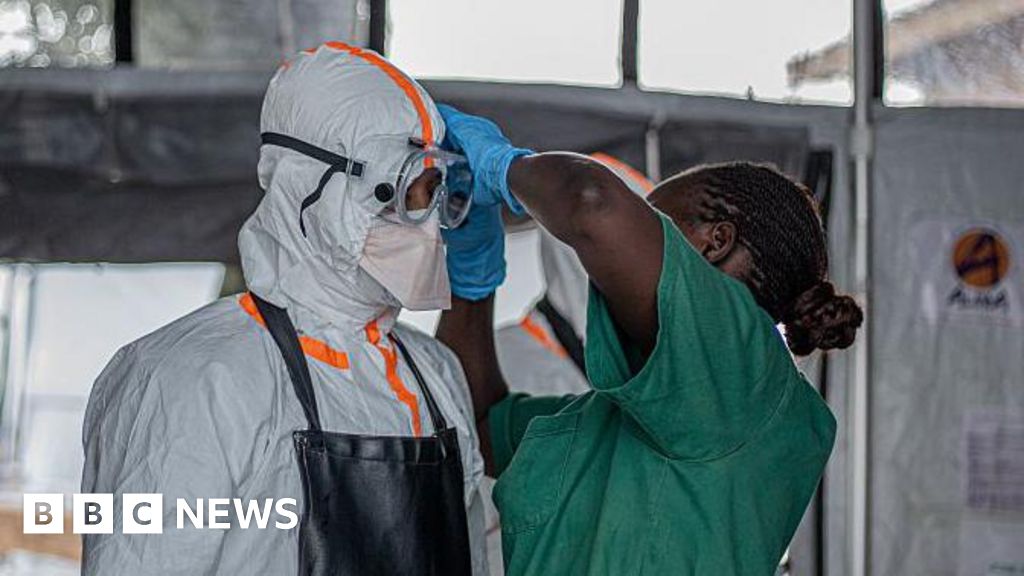
He pointed to research indicating that the virus began circulating in February and was initially misdiagnosed as malaria or typhoid. Furthermore, health workers are currently only reaching approximately 30% of the cases, with the rest dying at home. Traditional burial practices, including the touching of deceased bodies, and suspicion of health officials contributing to difficulties in reaching affected areas, are exacerbating the problem. However, there are now several dedicated treatment centers established in the east of DR Congo, and individuals are now being diagnosed at a significantly faster rate. To date, 4,294 confirmed cases and 1,960 deaths have been recorded, with the DRC’s health ministry confirming these figures. The largest recorded outbreak occurred in West Africa between 2014 and 2016, resulting in 11,325 deaths.
The current situation highlights the critical need for enhanced collaboration and resources across the DRC, and the WHO is actively working with regional partners to improve surveillance and response capabilities. The WHO urges international stakeholders to prioritize the region’s needs and support efforts to combat the ongoing threat. For more information and updates, please visit the BBCAfrica.com website or follow us on social media – @BBCAfrica on Twitter, @BBCAfrica on Facebook, and @BBCAfrica on Instagram.
Source: BBC Africa
Watch Related Video
Source: BBC Africa