





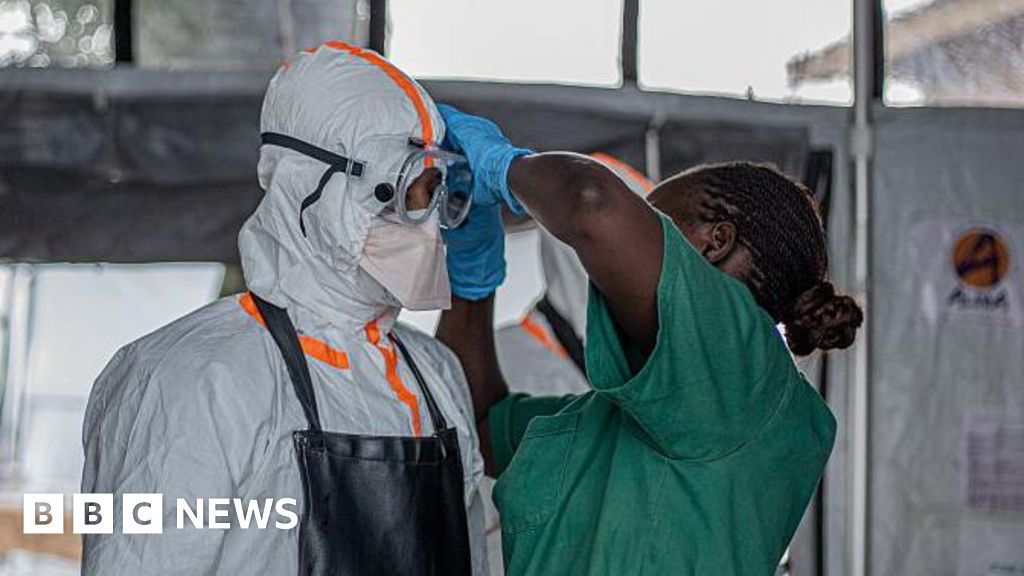
The latest Ebola outbreak in the Democratic Republic of Congo (DRC) began at least three months before its official declaration, raising concerns about the speed of response and the challenges faced by public health officials. The World Health Organization (WHO) has issued a stark warning, highlighting that the virus’s spread is significantly lagging behind established timelines. This is the second-worst Ebola outbreak ever, with over 1,900 deaths recorded since the initial declaration on May 15th, 2023. The outbreak is primarily concentrated in the eastern regions of DRC, particularly the Bundibugyo area, where insecurity has severely hampered control efforts and hindered effective surveillance.
Initial reports indicate the virus originated in February 2023 and was initially misdiagnosed as malaria or typhoid, a situation that has complicated early detection and treatment efforts. WHO Africa director Dr. Mohamed Janabi stated at a press conference in Bunia, the epicenter of the outbreak, that the virus’s progression was “chasing the virus, the virus is ahead of us.” He cited research suggesting the virus began spreading in February and was initially misdiagnosed, contributing to a delayed response. He further emphasized that health workers are currently only reaching approximately 30% of cases, with the rest dying at home.
The situation is complicated by traditional burial practices, which include touching the deceased’s body, and suspicion of health authorities within certain communities, all of which have impeded the timely identification and treatment of patients. However, significant progress is being made, with several dedicated treatment centers established in the east of DRC and more individuals now being diagnosed. To date, there are 4,294 confirmed cases and 1,960 deaths, with the DRC’s health ministry reporting these figures. The largest recorded outbreak occurred between 2014 and 2016, resulting in 11,325 deaths across West Africa. The WHO is urging increased international collaboration and resources to address this urgent situation, emphasizing the critical need for a coordinated global response to mitigate the ongoing threat.
For further details, please visit BBCAfrica.com for more news from the African continent. Follow us on Twitter @BBCAfrica, on Facebook at BBC Africa or on Instagram at bbcafrica.
Watch Related Video
Source: BBC Africa