





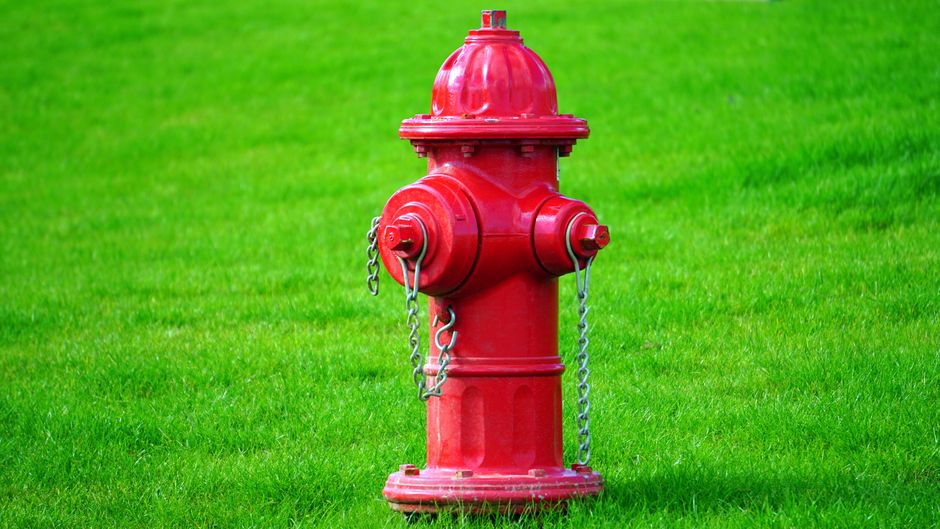
An exhaustive inspection conducted by the Greater Accra Regional Fire Command, in collaboration with Ghana National Fire Service (GNFS) and Ghana Water Limited (GWL), has revealed a concerning reality: only five of approximately thirty fire hydrants strategically located within the Ministries enclave at Accra are currently fully operational. This finding underscores a critical gap in firefighting infrastructure, demanding immediate attention and a coordinated response from both governmental and utility partners.
The exercise, initiated by GNFS and GWL as part of a broader assessment of firefighting preparedness, targeted a diverse range of government institutions situated within this designated area. The team’s objective was to evaluate the effectiveness of existing firefighting measures and identify areas requiring improvement. The scope of the inspection extended across several key sectors, including the State Interests and Governance Authority (SIGA), the Social Security and National Insurance Trust (SSNIT) – a significant employer and institution within Accra – and the Ministries of Transport, Roads and Highways, Energy and Finance. Beyond these core sectors, the inspection also encompassed vital government agencies such as the Ghana Revenue Authority (GRA), the Ghana Health Service (GHS), the National Lottery Authority (NLA), the Court Complex, and the iconic Accra Sports Stadium.
The inspection team’s findings paint a stark picture: five hydrants, exhibiting strong water pressure, two with moderately high pressure, and a substantial 23 hydrants remaining entirely non-functional, represent a significant shortfall in fire service coverage. This discrepancy highlights a systemic issue – a lack of consistent maintenance and repair across a substantial portion of the area.
Regional Fire Officer ACFO II Rashid Nisawu emphasized the importance of collaborative action, stating that the team’s discovery necessitates a strategic approach to addressing this deficiency. “The GNFS is committed to working with GNFS and GWL to expedite the installation of new hydrants, particularly in areas where the current infrastructure is insufficient,” Officer Nisawu explained. “The current state of affairs presents a considerable risk, particularly during the increasingly frequent and prolonged fire season.”
The investigation’s rationale is deeply rooted in proactive measures aimed at mitigating potential fire hazards. The primary objective is to enhance emergency response capabilities and safeguard lives and property. The exercise is a vital component of a larger initiative designed to ensure a reliable and readily available water supply in the event of a fire. The team’s assessment underscores the imperative for a more robust and consistent network of fire hydrants throughout the Ministries enclave, a task that requires immediate prioritization and substantial investment.
Preliminary data suggests that the current number of hydrants is insufficient to adequately address the demands of the area, potentially increasing the risk of fire incidents during peak periods. The long-term implications of this under-provision are concerning, demanding a comprehensive review of fire protection strategies and resource allocation within the region. Further investigations are planned to determine the precise extent of the problem and identify potential solutions, including a detailed assessment of water pressure levels across the area and a review of maintenance schedules for existing hydrants.
This inspection serves as a crucial reminder of the critical role that fire hydrants play in safeguarding communities and infrastructure. The current situation necessitates a concerted effort to ensure that all fire service facilities are adequately maintained and readily accessible, minimizing the potential for devastating consequences in the event of a fire.
Watch Related Video
Source: Adom Online