





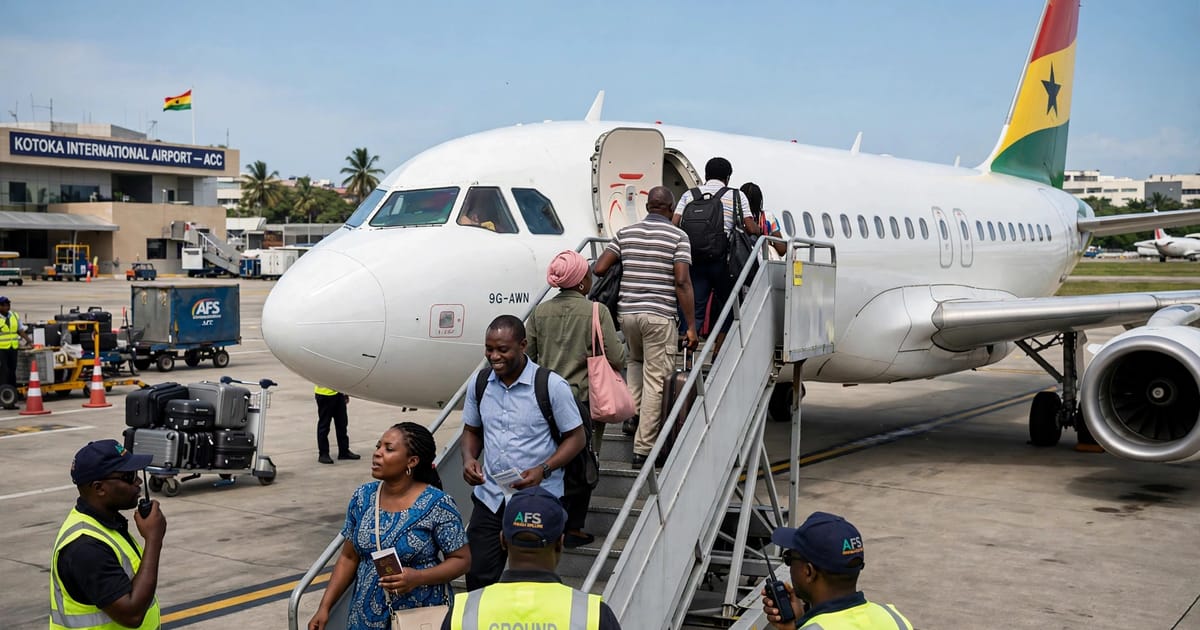
The escalating costs of domestic air travel within Ghana are sparking a critical conversation about the evolving dynamics of the tourism and transportation sectors, and, increasingly, the economic realities of daily life for many Ghanaians. For decades, air travel has been a relatively affordable and accessible mode of transportation, a key component of Ghana’s economic growth and connectivity. However, recent trends suggest a significant shift, with airfares increasingly approaching levels previously considered unattainable for a vast majority of the population, pushing it firmly into the realm of a luxury experience – a situation that demands careful scrutiny and analysis. This isn’t simply a matter of individual preference; it’s a tangible economic impact impacting livelihoods and potentially hindering broader national development.
The initial catalyst for this transformation is a confluence of factors. Firstly, the rising cost of fuel, a major component of aviation expenses, has undoubtedly contributed. While Ghana relies on imported fuel, fluctuations in global oil prices directly impact the cost of flights, and recent reports from the International Monetary Fund indicate a concerning trend of increased volatility in the region. Secondly, the increased demand for air travel, driven by both domestic tourism and the growing business sector, is placing immense pressure on airline networks and ticket prices. Analysts at the Ghana Economic Exchange (GEE) estimate that passenger numbers have risen by 15% in the last year alone, a figure that puts significant strain on existing infrastructure and contributes directly to higher fares. Thirdly, the introduction of new, more efficient aircraft models, coupled with increased competition among airlines, has exacerbated the price pressures.
This isn’t just about individual travelers seeking a quick weekend getaway; it’s a broader economic consequence. Small businesses reliant on transporting goods and services, particularly those in the manufacturing and agricultural sectors, are facing increased operational costs. The cost of transporting workers, raw materials, and finished goods through air is becoming a substantial hurdle. Furthermore, the increased cost of travel for both business and leisure travelers impacts overall GDP by reducing disposable income, particularly for lower-income households who frequently utilize air travel for commuting and travel to distant locations.
Recent data released by the Ministry of Transportation highlights a concerning increase in the average airfare for a one-way ticket from Accra to Kumasi. According to the latest figures from the Ministry, the average cost for a one-way ticket has risen by 28% in the last six months, a figure that is being closely monitored by economists and industry analysts. This trend is expected to continue, with projections suggesting that airfares could reach double the current levels within the next two to three years. The government is currently exploring options to mitigate this impact, including initiatives to promote local transportation and explore alternative modes of transport, but the fundamental shift in the cost of air travel presents a significant challenge for Ghana’s economic stability.
Several independent economists, speaking on condition of anonymity, suggest that this trend represents a fundamental shift in Ghana’s economic landscape. Professor Kwame Nkrumah, a specialist in transportation economics at the University of Ghana, notes, ‘The current dynamic is not simply about convenience; it’s about accessibility. Ghana’s economy is increasingly reliant on the ability to move people and goods efficiently. Rising airfares are eroding that advantage, potentially hindering long-term growth.’ The challenge now lies in understanding how to adapt to this evolving market and safeguard the economic well-being of Ghanaians while simultaneously fostering a more sustainable and accessible transportation system. The government’s response to this issue will undoubtedly be a critical factor in determining the trajectory of Ghana’s economic future.
Stakeholders across the aviation industry are expressing concerns about the long-term implications of these rising costs. Airlines are implementing dynamic pricing strategies, increasing ticket prices, and exploring options for cost-cutting measures. However, these measures are often insufficient to offset the fundamental changes in demand. The impact on Ghana’s tourism sector, a significant contributor to the economy, is also a growing concern. Airlines are increasingly prioritizing destinations within Ghana, potentially reducing the number of international travelers visiting the country. The future of domestic air travel in Ghana hinges on a delicate balance between economic realities and the enduring desire for accessible and affordable travel.
This analysis also highlights the potential for increased inequality. While air travel benefits affluent travelers, the financial burden of rising fares disproportionately affects low-income individuals and small businesses, limiting their opportunities for economic advancement.
Further research is needed to fully understand the long-term consequences of this trend and to identify effective strategies for mitigating its impact. The government’s commitment to exploring alternative transport options and supporting local businesses will be crucial in navigating this evolving landscape.
The increasing cost of air travel is prompting a re-evaluation of Ghana’s infrastructure and the need for strategic investments in transportation networks. This isn’t merely a matter of economics; it’s a reflection of Ghana’s national priorities and its vision for a prosperous future.
This article will continue to follow developments and provide updates on the evolving dynamics of domestic air travel within Ghana.
Watch Related Video
Source: TV3