





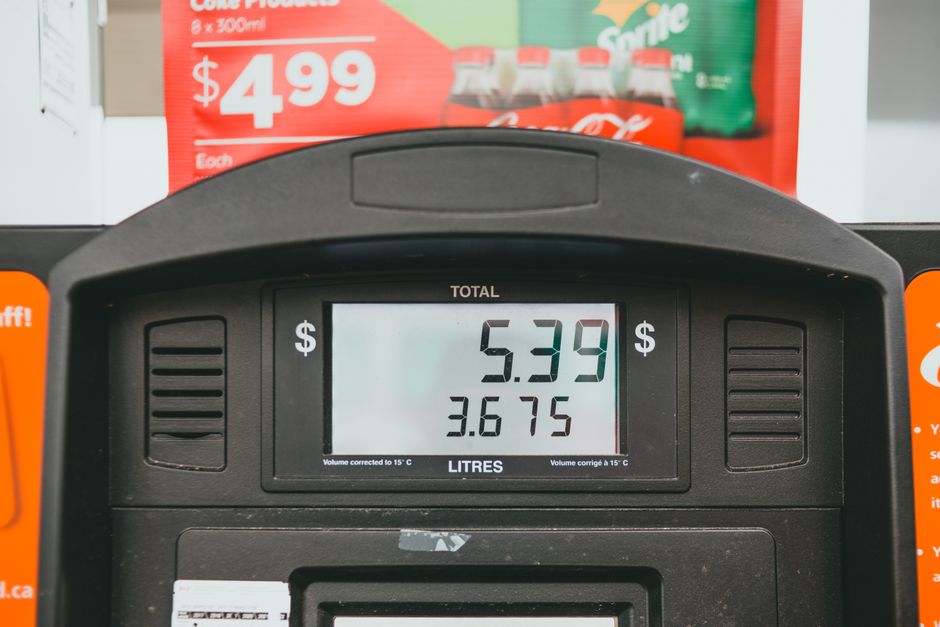
Since the United States and Israel launched their war on Iran six months ago, petrol prices have risen in at least 145 countries, creating a significant strain on consumers worldwide. This escalating price volatility is a direct consequence of the conflict’s impact on global energy markets. The figures are based on data from GlobalPetrolPrices, which tracks fuel prices across 170 countries and territories, revealing a stark and concerning trend. Specifically, the figures are significantly higher in Myanmar, with prices increasing by 56 percent from $0.77 per liter [0.26 gallon] of 95-octane fuel on February 23 to $1.20 on August 17. Bhutan recorded the next-largest increase at 55 percent, followed by Cuba at 51 percent, with UAE prices mirroring the trend at 50 percent and 48 percent in Nigeria. However, the impact isn’t uniform across the globe. In 25 other countries, most of which are heavily reliant on oil producers with substantial subsidies, prices have either remained unchanged or have fallen by a single digit percentage. The table below presents a breakdown of the 145 countries where petrol prices increased over the past six months, illustrating the magnitude of the challenge for consumers globally. Prior to the war, the US national average for a gallon [3.78 litres] of regular petrol was $2.94. It now costs $4.09, an increase of 39 percent, according to AAA Fuel Prices, a direct reflection of this increased cost. This rise isn’t simply about higher prices; it’s impacting how far people can travel. Before the war, $50 worth of fuel in the US could take a family sedan roughly 718 km (446 miles). Today, the same amount takes you about 536 km (333 miles), a 183 km (118 miles) reduction, representing a significant decrease in driving distance. This reduction varies depending on where you live, and the amount of fuel you fill up in the US, allowing for a selection of states and fuel grades to be selected. The war is triggering a ripple effect throughout the global supply chain. Economist David McWilliams told Al Jazeera that ‘The lifeblood of the global economy is transport,’ emphasizing the critical role of fuel in logistics, supply chains, and ultimately, the global economy.’ The increase in oil prices is directly linked to the disruption of food production, as it affects the fertilizers used in agricultural practices and the transport of food from fields to supermarkets. Furthermore, rising oil prices also have a direct impact on shipping and transport costs. The war is also creating a significant shift in the global economy, with energy prices affecting every stage of the food supply chain – from the production of fertilizers to the transport of food. Oil and gas are used extensively in numerous everyday products, including plastics, food packaging, phone casings, and medical syringes. Crude oil is an integral ingredient in synthetic fabrics such as polyester, nylon, and acrylic, as well as in cosmetics, where it’s used to create petroleum jelly. Household items also rely on oil-based ingredients, such as laundry detergents and dishwashing liquids, and paints derived from petroleum. The global food supply is essentially built on natural gas, derived from fertilizers, used to enhance crop yields and ensure sufficient food production to meet global demand. The war is therefore a complex challenge with far-reaching consequences across numerous sectors.”}” ,
Watch Related Video
Source: Al Jazeera