





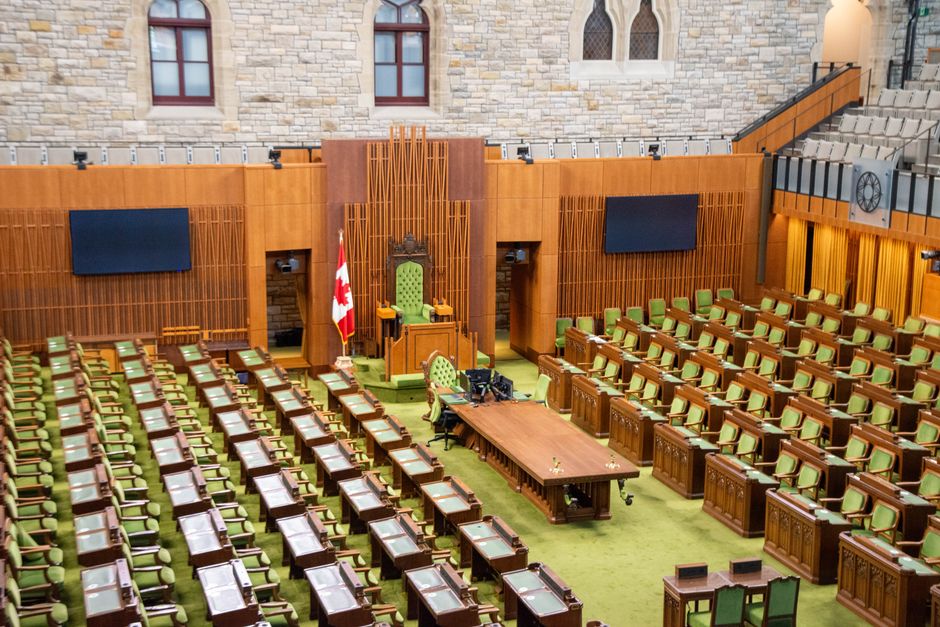
Parliament has resumed its proceedings following a formal recall by Speaker Alban Sumana Kingsford Bagbin, a move deemed necessary to facilitate the urgent consideration of crucial parliamentary business. This significant event marks the resumption of a five-day sitting, scheduled to run until Friday, August 28th, at the iconic Parliament House in Accra. The recall, initiated on Wednesday, August 12th, under Order 58(4) of the Standing Orders of Parliament, represents a deliberate action taken to address a surge in pressing issues demanding immediate attention from the House’s members. The recall’s genesis stems from a growing pressure to expedite the processing of vital legislation and address a complex web of challenges facing the nation’s governance.
The five-day session, dubbed ‘Emergency Sitting,’ is expected to be a pivotal moment in the legislative agenda. Its primary objective is to comprehensively examine a range of urgent parliamentary matters, including, but not limited to, budgetary allocations, proposed amendments to existing laws, and the review of critical policy initiatives. The Speaker, Bagbin, has emphasized the importance of ensuring the House operates effectively and efficiently during this crucial period. He stated, ‘This session represents a dedicated opportunity for the House to engage in substantive debate and deliver the necessary policy decisions to safeguard the interests of the nation.’
The context surrounding the recall is rooted in a heightened sense of urgency and the need for a focused legislative space. The House, traditionally known for its deliberate and methodical approach to debate, has been compelled to address a situation demanding immediate action. The Recall, therefore, serves as a strategic maneuver designed to prioritize the crucial issues currently demanding attention.
Prior to the resumption of the session, a significant amount of work has been undertaken to prepare the House for this extended period. This includes the dissemination of preliminary materials and the establishment of a dedicated committee to manage the flow of discussions and ensure a productive legislative process. The committee, comprised of various parliamentary departments, will oversee the scheduling and organization of debates, ensuring a balanced and well-structured session. The Speaker has also outlined a commitment to open communication with members and the public, assuring transparency in the proceedings.
The anticipated agenda for the session is substantial. The House will be tasked with debating a number of key bills, including the proposed amendment to the National Health Insurance Scheme, which is expected to significantly impact healthcare access across the country. Furthermore, the discussion on the proposed infrastructure development plan, a cornerstone of the government’s economic strategy, is expected to be a major focus. The review of the recent economic indicators and the assessment of the impact on inflation will also be prominent. The House will also address concerns regarding the implementation of the recently passed legislation concerning land reform, with a particular emphasis on streamlining the process and ensuring equitable distribution.
The session will commence with a formal opening address by the Speaker, Bagbin, outlining the House’s priorities and expectations for the proceedings. Following this, the debates will commence, with each member expected to present their views on the relevant issues. The House will be expected to hold multiple sessions throughout the five-day period, with further debates and discussions planned across different committees. The significance of this session cannot be overstated – it’s a critical juncture where the House must demonstrate its responsiveness to the nation’s needs and priorities.
The anticipated total number of debates scheduled is expected to be around 20, reflecting a considerable volume of discussion across various topics. The House’s ability to maintain focus and productivity throughout this extended period will be crucial to achieving its objectives. The legal framework governing the recall, as outlined in Order 58(4) of the Standing Orders, dictates the procedures for the House’s conduct during this period, emphasizing the importance of maintaining order and respecting the rights of all members. The House’s commitment to upholding these principles is paramount to ensuring a fair and transparent process.
The implications of this session extend beyond the immediate legislative outcome. It serves as a vital barometer of the nation’s political climate and its ability to address critical challenges. The House’s deliberations will undoubtedly shape the trajectory of policy and influence the direction of the country’s future. The media is keenly observing this event, anticipating a dynamic and potentially contentious period of debate. The public is encouraged to follow the proceedings and engage in informed discussions about the issues at stake. The success of this session will be measured by the effectiveness of the policies and legislation that emerge from this critical legislative gathering. The focus will be on delivering tangible benefits to the citizens of Ghana.
This is a significant moment for the parliamentary system and a testament to the House’s enduring role in shaping the nation’s future. The House’s dedication to open and democratic governance is being reinforced through this continuous process. The impact of the session will be closely monitored by observers across the country and internationally. The outcome will be closely watched for indications of how effectively the government can navigate the challenges facing the nation.”
’
Source: MyJoyOnline