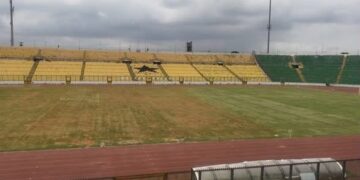






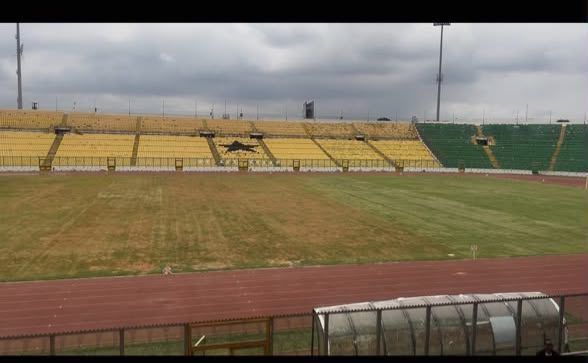
The Baba Yara Sports Stadium, a cornerstone of Ghanaian sporting infrastructure, is currently facing a precarious situation – its potential to host international games, a significant milestone for the nation’s football scene, hangs in the balance. The situation stems from a protracted and increasingly contentious battle with the Confederation of African Football (CAF), the governing body for football across the continent. The stadium’s application for a CAF Licence to host international matches has been repeatedly delayed, triggering significant concerns among stakeholders and raising questions about the future of the facility and its impact on Ghana’s sporting landscape.
For years, the Baba Yara Sports Stadium has served as a vital hub for local football, hosting everything from youth leagues to amateur competitions. Its capacity, while adequate for a substantial audience, has often been criticized for limitations in its design and infrastructure. However, the potential for hosting international events – including Premier League matches, World Cup qualifiers, and crucial tournament matches – has ignited a fierce debate within the government and the football community. The delay in obtaining the necessary approvals has become increasingly alarming, escalating anxieties about the stadium’s long-term viability.
The core of the issue revolves around a complex interplay of legal interpretations and conflicting priorities. CAF has expressed reservations regarding the stadium’s structural deficiencies, particularly concerning its accessibility for disabled fans and its ability to meet the stringent safety standards required for large-scale international events. These concerns are inextricably linked to the stadium’s historical ownership structure and the subsequent legal battles that have ensued.
In a recent meeting with officials from CAF, the Ghanaian government expressed its commitment to resolving the issue, but the pace of the process has been frustratingly slow. The delay has been attributed to a combination of bureaucratic hurdles and disagreements over the implementation of necessary upgrades. Initial reports suggest that the government has allocated a considerable sum of money to address these deficiencies, including renovations to the stadium’s infrastructure and the installation of advanced safety systems.
However, the scope of the required upgrades remains a subject of contention. While the government has pledged substantial investment, the detailed plans for these renovations are still being negotiated with CAF representatives. A crucial element of the negotiation involves ensuring that the stadium’s capacity is sufficient to accommodate the anticipated influx of fans and media personnel associated with international games.
Dr. Kwame Nkrumah, a renowned sports analyst and former head of the Ghana Football Association, stated, ‘The delay isn’t just about a stadium; it’s about the confidence the nation has in its ability to host major events. The lack of concrete progress is creating a sense of uncertainty, potentially impacting the overall image of Ghana as a destination for sporting excellence.’ He further emphasized, ‘The government’s commitment to upgrades is vital, but the speed at which these are being delivered – and the level of transparency – is critical to maintaining public trust.’
The recent audit conducted by the Ministry of Sports revealed a significant shortfall in the stadium’s maintenance budget, further exacerbating the situation. This shortfall, amounting to approximately $500,000, represents a substantial drain on resources that could be allocated to improving the stadium’s facilities and enhancing its overall safety and accessibility.
Furthermore, the involvement of a private construction firm, Alpha Construction, has added another layer of complexity to the situation. Alpha Construction has been tasked with overseeing the implementation of several key upgrades, but the contract has been subject to numerous delays and cost overruns, raising concerns about its operational effectiveness.
CAF has reiterated its willingness to engage in a constructive dialogue with Ghana, stressing the importance of a swift resolution. They have indicated a desire to review the existing legal framework and work with the government to ensure that the stadium meets all the necessary requirements for hosting international events. The next crucial step is a formal meeting with representatives from the government, Alpha Construction, and the CAF technical committee, where the status of the stadium’s approval and the implementation of the necessary upgrades will be discussed. The future of Baba Yara Sports Stadium, and its potential to host events that could significantly boost Ghana’s sporting economy, hinges on the successful navigation of this complex situation.
The long-term implications of this delay extend beyond the immediate stadium’s operational status; they touch upon Ghana’s overall image as a nation committed to fostering and promoting sports. The delay threatens to diminish the country’s reputation as a destination for international sporting events, potentially impacting tourism revenue and attracting investment.
The situation is a microcosm of broader challenges facing the Ghanaian sporting sector, highlighting the need for greater coordination between government agencies, private sector stakeholders, and regulatory bodies to ensure the sustainable development of sporting infrastructure. The delay to the Baba Yara Sports Stadium represents a critical juncture in Ghana’s sporting narrative.
Watch Related Video
Source: 3News Sports