





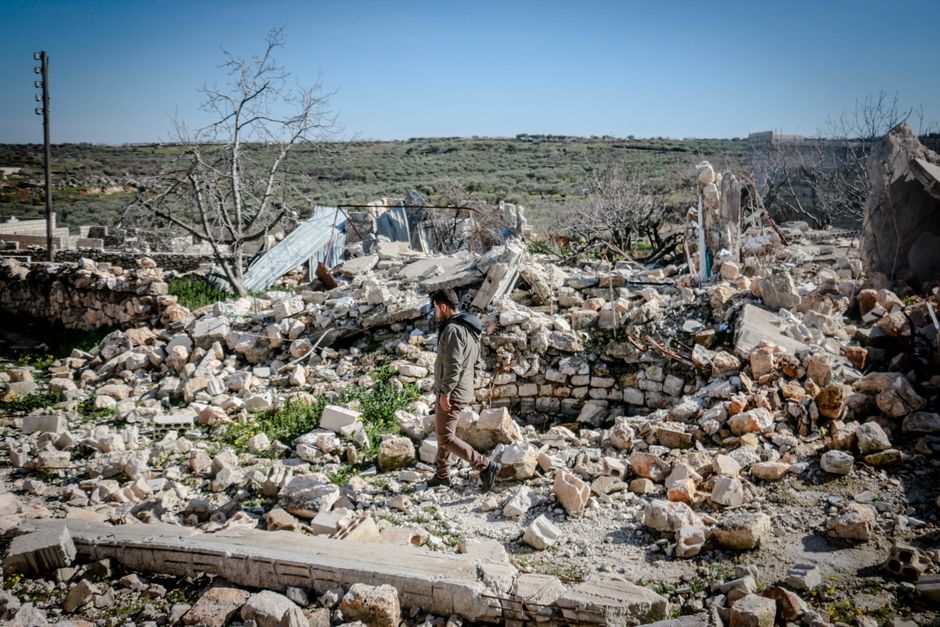
United Nations Peacekeepers have documented a marked increase in Israeli military activity in southern Lebanon, according to a recent statement released by the UN Interim Force in Lebanon (UNIFIL) on Monday. The statement reveals an average of 137 projectiles fired per day between August 5 and 16, a figure that represents a substantial escalation from the previous period. UNIFIL reported 208 projectiles on Saturday and 185 on Sunday, a trend reflecting heightened tensions and a continued escalation of hostilities. The peacekeeping force’s report underscores that the situation remains precarious, particularly for civilians.
This increase is largely attributed to the renewed June 26 ceasefire agreement between Lebanon and Israel, which aims to disarm Hezbollah. However, the agreement specifically does not mandate a withdrawal of Israeli forces from southern Lebanon, which remains occupied by Israel’s military presence across several key areas. Hezbollah, the dominant political and military force in Lebanon, has rejected the agreement, asserting that full withdrawal is a prerequisite for any future negotiations.
The UNIFIL’s mandate, established in 2006, remains focused on restoring stability in southern Lebanon, with the primary objective being the strengthening of the Lebanese army’s presence and the role of UNIFIL. Specifically, the statement emphasizes that the force is tasked with facilitating humanitarian aid and monitoring the situation.
UNIFIL’s peacekeepers have maintained their presence through patrols, monitoring border crossings, reducing risks posed by explosives, and facilitating access for humanitarian assistance. They have also reaffirmed their commitment to the June 26 framework agreement as the basis for maintaining a level of security in the region.
On Monday, Lebanon’s President, Joseph Aoun, expressed concerns regarding extending UNIFIL’s mandate and advocating for a formula ensuring the continued presence of international forces in the area. He voiced his call for a strengthened stance against Israeli strikes targeting Lebanese civilians, particularly in Shia-majority areas of southern Lebanon and the border regions with Israel.
Prior to this, the UN Security Council Resolution 1701, adopted in 2006, calls for a cessation of hostilities between Israel and Iran-backed Hezbollah, and for strengthening the deployment of the Lebanese army and UNIFIL in southern Lebanon. This resolution also stipulates that Israel must withdraw from large areas of southern Lebanon currently occupied by its military.
The current situation is underscored by a rising death toll since March 2, with repeated Israeli air raids resulting in 4,346 casualties, including 11 deaths in two separate incidents. These incidents have highlighted the impact of the intensified military activity on civilian life.
This escalation has sparked widespread condemnation within the international community, with many voices emphasizing the need for a peaceful resolution to the underlying tensions between Lebanon and Israel. Experts suggest that Israel’s policy is to jointly punish the Lebanese population and particularly Shia-majority parts of Lebanon and south Lebanon, through a campaign of punitive action, in particular targeting Hezbollah and Lebanese civilians. Rish, an associate professor of Middle Eastern Studies at Bard College in New York, previously stated that Israel is seeking to escalate strikes on Lebanon to demonstrate its resolve to occupy the south and to ‘pummel’ Hezbollah and Lebanese civilians.
Source: Al Jazeera