





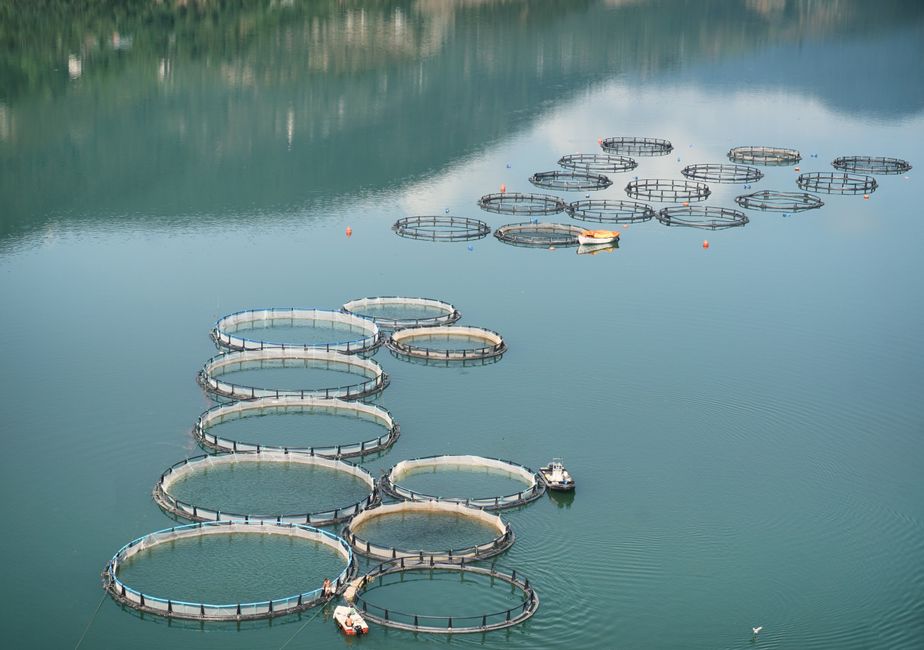
The Fisheries Commission has issued a serious warning regarding the escalating threat posed by illegal mining, commonly known as galamsey, to fish farming and aquaculture operations across Ghana. The Commission’s concerns stem from a concerning increase in illegal mining activities in wetlands, many of which are prime locations for fish farming and aquaculture development.
The Commission’s Director, Abigail Quarshie, addressed this issue during a second phase of an aquaculture training programme for Senior High School students at the sidelines of the programme. She emphasized that the situation is significantly hindering the ability of young people, including graduates in agriculture, to secure land for fish farming projects.
Quarshie highlighted that many youth are increasingly turning to activities that degrade the environment, rather than pursuing opportunities in agriculture and fisheries. This shift is particularly worrisome given Ghana’s status as one of the world’s largest fish-consuming nations, with an estimated 25 kilograms of fish consumed annually per person.
She expressed profound concern that continued destruction of wetlands and water bodies through galamsey could severely undermine Ghana’s capacity to produce sufficient locally-sourced fish. Specifically, she stated that ‘if galamsey were to destroy our lands and water bodies, it would render it impossible to establish fish farming’,” she warned, adding that a significant assessment report from the first phase, completed by Toase and Nkawie SHSs, had been submitted to the sector ministry.
According to the report, an estimated 400 recycled plastic desks were donated by the Fisheries Commission to participating schools, demonstrating a commitment to bridging the gap between theoretical knowledge and practical application.
The initiative, aligned with the government’s School Farm Initiative, aims to equip students with the skills needed to enter the aquaculture value chain, establish businesses, and reduce Ghana’s dependence on imported fish products. The Commission believes that exposing students to aquaculture at an early stage could bolster a new generation of fish farmers capable of strengthening Ghana’s domestic fish production and reducing reliance on imports.
Students from Simms SHS, Kofi Agyei SHS, and Adventist Girls SHS in the Kwabre East Municipality participated in the training at Rhojay Farms in Dumanafo. The program combined classroom sessions with practical demonstrations at fish ponds and processing facilities. Participants were trained in fish biosecurity, antimicrobial resistance, responsible use of antimicrobials, fish processing, hygiene, and proper storage.
Madam Quarshie stated that the initiative is designed to provide young people with the necessary skills to enter the aquaculture sector, establish businesses, and contribute to reducing Ghana’s reliance on imported fish. She also revealed that the Toase and Nkawie SHSs assessment report had been submitted to the sector ministry.
She explained that an assessment report from the first phase, involving Toase and Nkawie SHSs, had been submitted to the sector ministry, with plans underway to provide the participating schools with equipment to establish fish ponds on their campuses. She reiterated the government’s commitment to investing in practical agricultural education to encourage more young people to pursue careers in agriculture and agribusiness.
The Fisheries Commission has expressed its commitment to strengthening Ghana’s domestic fish production through increased investment in practical agricultural education, ensuring a sustainable future for the nation’s fisheries industry.
Watch Related Video
Source: Adom Online