






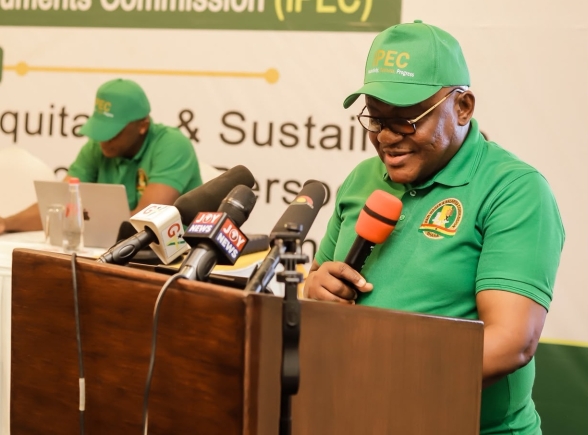
The Fair Wages and Salaries Commission (FWSC) has initiated a pivotal process, engaging Organised Labour on plans to replace it with the proposed Independent Public Emoluments Commission (IPEC). This 2-day engagement, themed “Towards an Independent, Equitable, and Sustainable Compensation System: Stakeholders’ Perspectives on Ghana’s Public Sector Pay Reforms,” aimed to gather input from labour representatives for the development of a draft IPEC bill. The IPEC Bill, slated to repeal Act 737 addressing pay challenges within the public sector, is intended to establish a new pay body with a focus on fairness, transparency, and fiscal sustainability for the public sector. Dr. George Smith-Graham, Chief Executive of the FWSC, emphasized that the IPEC must transcend a simple name change, highlighting the need for a new generation of public compensation governance. He stated, “IPEC should represent the next stage of public compensation governance, not merely a rebranding exercise.” The FWSC’s purpose is to understand differences and build a system that commands legitimacy, and the engagement is designed to ensure a robust and well-informed framework for the new pay body. The event attracted over 50 labour groups, including Trades Union Congress (TUC), Ghana Federation of Labour (GFL), Civil and Local Government Staff Association, Ghana (CLOGSAG), University Teachers Association of Ghana (UTAG) and Ghana Registered Nurses and Midwives Association (GRNMA). The Secretary-General of the Trades Union Congress (TUC), Joshua Ansah, pledged unwavering support for the IPEC, assuring the government of its commitment to actively participate in establishing the new pay system. He confirmed that Organised Labour would effectively monitor the process and provide critical inputs to ensure the commission’s success. However, he urged the government to maintain labour groups’ involvement from the outset to guarantee broad ownership of the new compensation framework. The consultation process highlights a significant shift in the approach to public sector pay, emphasizing a holistic and comprehensive framework rather than fragmented efforts. Mr. Ansah cautioned against a half-hearted approach, stressing that public sector pay reforms must be comprehensive, not fragmented, and that a piecemeal approach would be detrimental to the integrity of the system. He reiterated that the process must start with the beginning and end with proper oversight, avoiding the pitfalls of a superficial undertaking. The group expressed a desire to ensure widespread ownership of the new compensation framework through a collaborative and inclusive approach. The anticipated participation of over 50 labour groups underscores the importance of this stakeholder engagement. The IPEC Bill, as envisioned, will likely outlive many workers and must be built with the future of the public service in mind. The initial focus is on creating a fair, transparent, and equitable public sector pay system, ensuring the long-term viability of the sector. The engagement process reflects a conscious effort to modernize public sector compensation, aligning with contemporary best practices and safeguarding the interests of all stakeholders.
Watch Related Video
Source: Graphic Online