





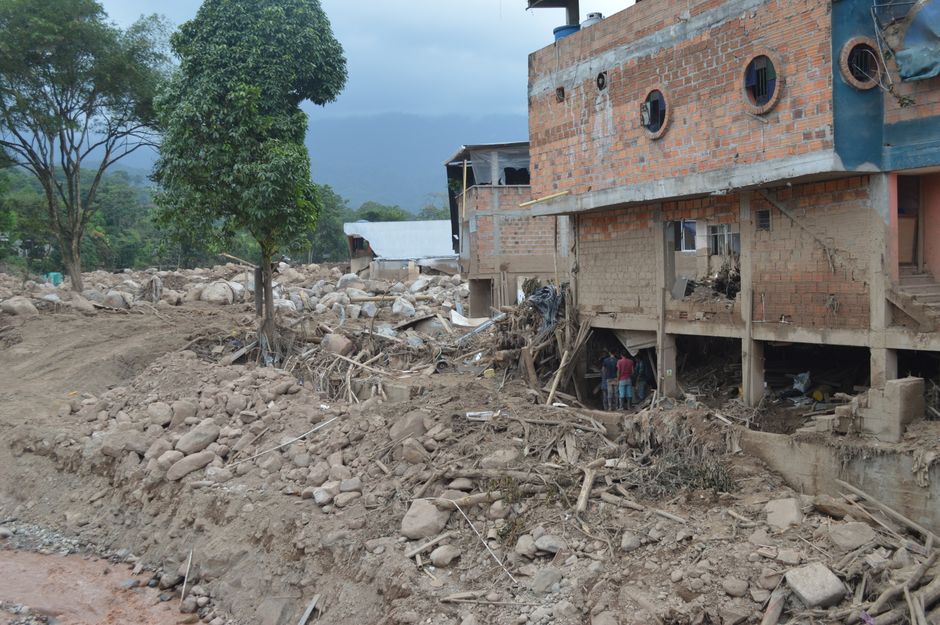
In the port city of Buenaventura, Colombia, residents express a growing sense of frustration with the government’s slow response to the devastating earthquake, highlighting a broader trend of neglect and systemic failings that threaten the city’s recovery. The disaster, which struck on Monday, has left a trail of destruction, particularly impacting the lives of those in the city’s largest port, but residents fear the government’s inaction will extend far beyond the immediate aftermath. The situation is further compounded by a history of underinvestment and a persistent pattern of municipal mismanagement, fueled by decades of socioeconomic disparity and a lack of prioritization for major provincial capitals like Pereira and Cali, compared to areas with higher poverty levels like Buenaventura’s own Barrio Oriente. The city’s population of 432,000, a significant portion of which lives in multidimensional poverty – defined as deprivation encompassing education, healthcare, and basic infrastructure – underscores the severity of the situation. The initial devastation has been stark, with the collapse of a five-storey building directly adjacent to a neighboring structure, resulting in the death of four people. “The whole thing came crashing down,” said Lorena Hipis, a resident of Buenaventura, gesturing to the wreckage. “It’s a microcosm of a larger problem – the government’s failures to address critical needs.” The municipality, the state, and the government have demonstrably failed to come to the city’s aid, evidenced by a lack of resources and a general abandonment of the area. The situation has escalated to a point where local officials are criticized for a pattern of neglect, evident in the lack of resources available at the Luis Ablanque de la Plata District Hospital, where several wards are currently out of operation. Hipis, who lives in her home, describes a situation where the government’s response has been inadequate, stating, “The government is taking too long. And this is an urgent situation.” The municipality has historically lagged behind other urban hubs like Cali, which is located in the same department, in terms of socioeconomic development. According to government estimates from 2024, 15.4 percent of Buenaventura’s population lives in multidimensional poverty, a term economists use to capture deprivation beyond dollar amounts. Multidimensional poverty includes factors like a lack of access to education, healthcare, and basic public infrastructure. Buenaventura’s higher rate of multidimensional poverty compared to Cali, where 6.7 percent of residents experience that issue, highlights a significant disparity. Furthermore, the city has more than double the rate of multidimensional poverty compared to Cali, and last year, 64 percent of locals expressed distrust in the mayor’s office, alongside a significant amount of distrust in the national government. Bryan Reyes, a shipyard worker, pointed to the lack of resources at the hospital. “It is a total abandonment. It’s like the people here just don’t matter,” he said. “The government is taking too long. And this is an urgent situation.” He added that the lack of supplies is a symptom of chronic under-investment.
Watch Related Video
Source: Al Jazeera