






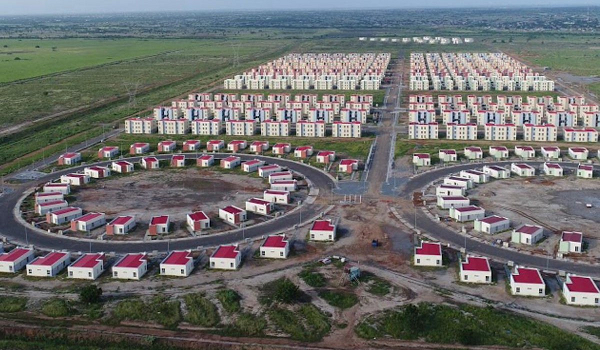
The question of Saglemi City’s location has long been a subject of speculation and, frankly, bewilderment for many Ghanaians, particularly those traversing the Tema-Sogakofe highway. The initial indication, a colossal signpost erected just before Tsopoli, promptly identified a burgeoning urban presence – a city, according to local accounts – nestled within the region. However, concrete evidence of human habitation has stubbornly evaded detection, creating a perplexing anomaly for those familiar with the area’s history.
My own journey along the highway has revealed a frustrating lack of any tangible confirmation of the city’s existence. I’ve observed numerous signs, of course, but none offer a clear visual representation of a settlement, a village, or any other indication of a community. It’s a rather unsettling observation, considering the initial impetus for the project – a planned residential development, initiated some years ago by the first Mahama administration. The project, initially lauded as a significant urban expansion, was subsequently halted due to a protracted court battle concerning its future.
The details surrounding the legal proceedings remain somewhat murky, but the narrative points to a complex dispute involving ownership and the overall trajectory of the project’s development. It’s a narrative that stretches back several years, a period marked by significant political shifts and a subsequent return to the administration of the country, bringing with it a renewed focus on the project’s legacy.
After eight years of the former government’s administration, the absence of any formal proceedings regarding the court case has created a significant void. Now, the government, which originally conceived and initiated the project, is back in the control of the country. This shift has understandably sparked a renewed wave of curiosity and, frankly, a degree of frustration amongst those who initially envisioned Saglemi City as a thriving urban center.
It’s become abundantly clear that the initial signage – the giant signpost directing to a city with no human habitation – is a deliberate misdirection. The word ‘city’ itself carries a weighty implication, and the lack of any demonstrable presence strongly suggests a deliberate attempt to obfuscate the truth. The authorities, in their haste to move forward, have inadvertently created a misleading signpost, a relic of a project that has faded into obscurity. Removing this signpost, and bringing it back to the area after it has been verified as a legitimate city, would be a crucial step in rectifying this situation.
Further investigation into historical records and satellite imagery would be beneficial to determine if any further evidence of the city’s existence can be unearthed. The initial narrative of a significant urban development has been significantly undermined by this persistent absence of verifiable data. The history of Saglemi City is a fascinating example of a project that appears to have been abandoned, leaving behind a frustrating puzzle for those seeking to understand its past.
The Customs Division of GRA, formerly marked as Mark Kofi Logo, played a crucial role in the initial planning and construction of the project. His involvement, and the potential ramifications of his work, remain a significant point of consideration in understanding the context of this enduring mystery. It’s a situation that highlights the complexities of government projects and the enduring impact of past decisions on the landscape of a region.
The lack of a definitive answer regarding Saglemi City’s location continues to cast a shadow over the area, prompting a compelling inquiry into the project’s ultimate fate and the motivations behind its abrupt abandonment. The question of whether this was a strategic move to avoid accountability or a simple oversight remains a significant point of contention. The implications of this situation are considerable, highlighting the often-unseen consequences of political shifts and the persistent allure of forgotten urban development projects.
Watch Related Video
Source: Graphic Online