





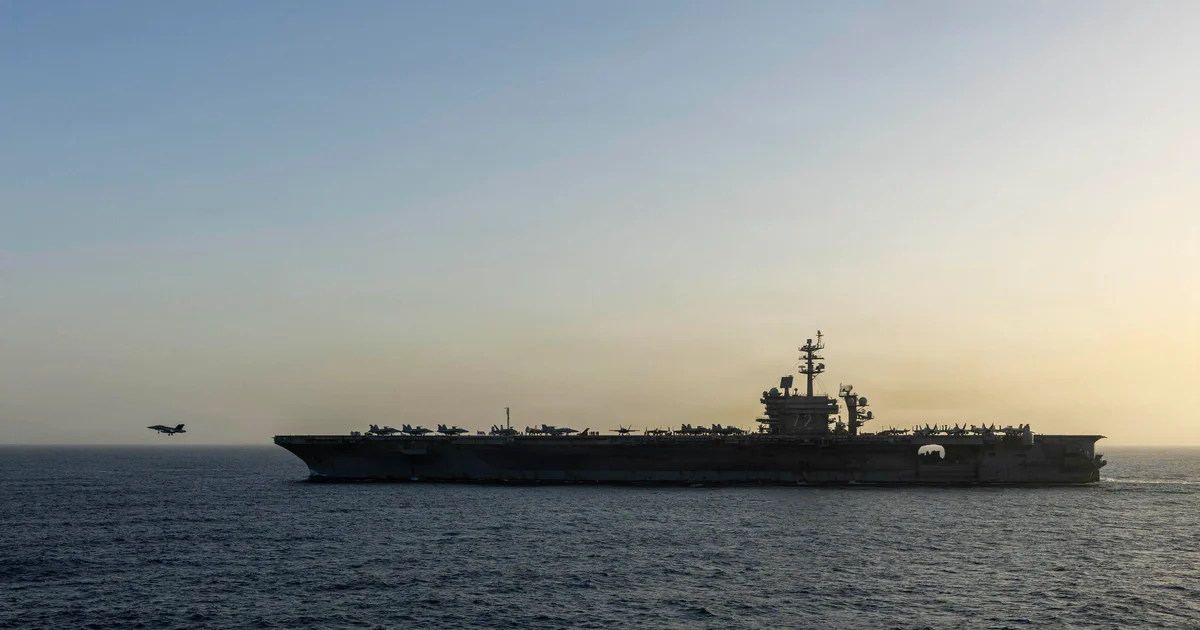
The USS George Washington aircraft carrier is currently en route to the Middle East, a move that has sparked heightened scrutiny regarding the conditions aboard the vessel, particularly following the deployment of the USS Abraham Lincoln. A spokesperson for the U.S. Navy revealed that the Lincoln, a U.S. Navy carrier deployed for nearly nine months, has been stationed in the region since November 2025, initially focused on the Iran war’s early stages, and subsequently dispatched to the Middle East to replace the Lincoln.
This shift in deployment timing has generated considerable anxiety among family members of sailors on board, with at least one individual reporting concerns about the well-being of their partner. Media reports indicate that several sailors have expressed thoughts of self-harm, prompting a Navy statement acknowledging the seriousness of the situation. The Navy maintains that the carrier is operating within a ‘highly contested environment’ characterized by disrupted supply chains due to ongoing combat actions in the Middle East, prioritizing the delivery of critical supplies – primarily food, hygiene items, and mail – to maintain operational capacity.
As of today, the USS George Washington has reported consistent access to clean water, functional air conditioning, and nutritious meal options. A recent Navy investigation, initiated earlier this month, has identified one sailor going overboard, which is currently under investigation, though the circumstances surrounding the incident remain unclear. The Navy has stated that the ship is in a ‘highly contested environment’ and that leadership prioritized mission-critical supplies, first food, then hygiene items, and finally mail.
The deployment of the USS George Washington has been met with significant pressure from Democrats, who have pressed the Pentagon for more detailed information regarding the conditions on the ship. Defense Secretary Pete Hegseth addressed the situation, stating that some reporting was ‘completely misrepresented,’ emphasizing the Navy’s commitment to providing every service member with the resources they need. The ship’s journey westward through the Strait of Malacca, leaving the U.S. without a carrier in the Pacific, is a significant logistical consideration, impacting the overall naval presence in the region. Official statements from both the Navy and the U.S. government suggest a cautious approach to the deployment, recognizing the potential risks involved and the importance of maintaining operational readiness.
This deployment represents a strategic shift in naval operations, reflecting a deliberate effort to maintain a presence in the Middle East while simultaneously adapting to the evolving geopolitical landscape. The long-term implications of this move remain to be fully assessed, but it underscores the complexities of maintaining a balance between mission objectives and the well-being of the personnel involved.
Watch Related Video
Source: CBS News