





The legal landscape in Ghana is experiencing a significant shift following a formal challenge from Member of Parliament for Ofoase-Ayirebi, Kojo Oppong Nkrumah, to the Chief Justice’s directives regarding judicial vacation. Nkrumah, who has invoked the Supreme Court’s jurisdiction, is seeking declarations that the Chief Justice’s decisions to direct certain judges to hear selected criminal cases during the legal vacation period are unconstitutional. This dispute, initiated by Mr. Nkrumah, centers on a fundamental inconsistency with the Constitution, specifically Articles 17(1) and (2), 23 and 296(a) and (b), and 36(10).
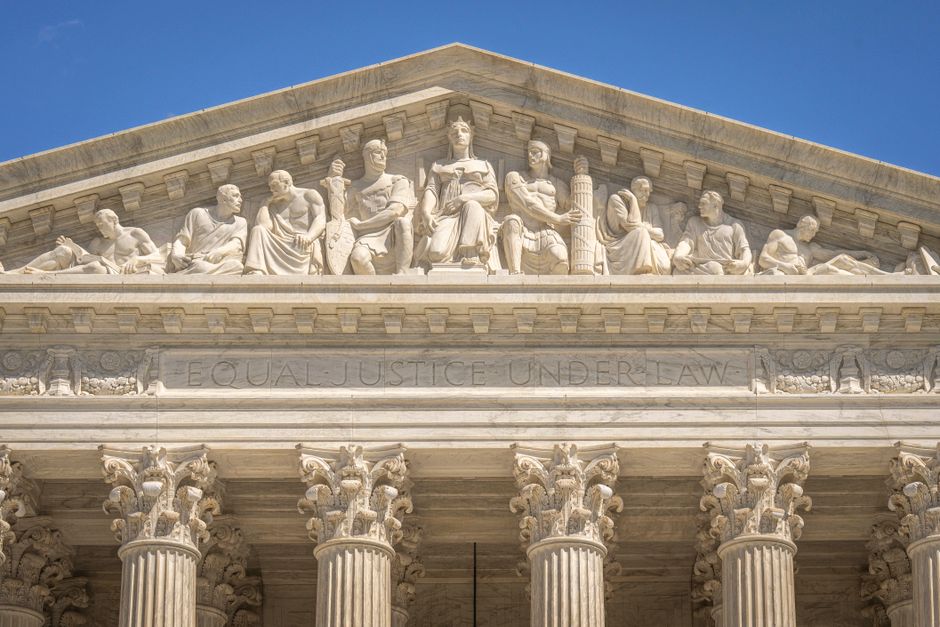
Mr. Nkrumah argues that the Chief Justice’s directives represent a selective application of justice, effectively denying similar treatment to other criminal cases. He contends that the directives are inconsistent with the fundamental principles enshrined in the 1992 Constitution, which guarantee equal treatment under the law.
His legal action, filed as a writ, seeks declarations that the directives are unconstitutional and void. He’s further challenging the decision on health grounds, asserting a violation of the right to health for members of the Bar and Judicial Service affected by the directives.
Specifically, the MP is questioning the practice of allowing ‘special criminal cases’ to be heard during the legal vacation, while other cases remain untouched. He points to a fundamental imbalance in the judicial process, arguing that this selective treatment undermines the principle of equal justice under the law.
Mr. Nkrumah is demanding that the Supreme Court declare Order 79 Rules 1(1) and 2 of the High Court (Civil Procedure) Rules, 2004 (C.I. 47), which govern court scheduling, be deemed unconstitutional. He’s also seeking any other orders or directions the court deems appropriate to ensure the proper application of the Constitution.
The challenge is being brought by the Chief Justice of Ghana and the Attorney-General as defendants. Mr. Nkrumah states he is acting as a citizen, MP, and lawyer in this matter, highlighting his capacity to represent the interests of the Ghanaian people.
The Chief Justice has been directed to file their statements of case within 14 days, setting a deadline for a response to Mr. Nkrumah’s legal challenge. The dispute is part of a larger discussion about judicial independence and the interpretation of the Constitution, and its impact on the administration of justice in Ghana.
This situation underscores a critical tension within the judiciary, with questions raised about the balance between the need for judicial flexibility and the protection of fundamental rights and principles of fairness. The legal proceedings are expected to have significant implications for the future of the judicial system in Ghana.
Watch Related Video
Source: Adom Online