





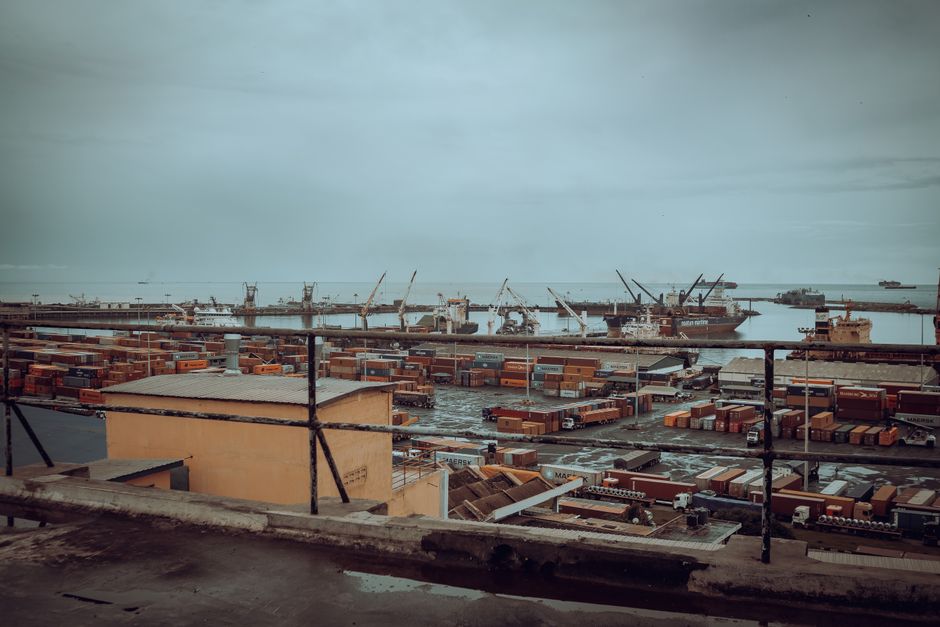
The Ghana Institute of Freight Forwarders (GIFF) has issued a serious warning regarding a rapidly escalating situation at the Tema Port: a significant accumulation of empty containers, creating considerable operational challenges and pushing up costs for businesses involved in the logistics sector. The situation, a growing concern for the port’s stakeholders, is fundamentally impacting the port’s efficiency and impacting the overall business environment within Ghana’s vital shipping hub.
The issue originated with a direct engagement with officials of the Ghana Ports and Harbours Authority (GPHA), where an executive member of the GIFF, Johnny Mantey, voiced his anxieties. He stressed that the continuous presence of empty containers is rapidly taking up valuable space within the port, directly contributing to congestion – a critical bottleneck for the Tema Port’s operations.
Mr. Mantey explained that shipping lines bear a significant responsibility in this matter. He asserted that they must proactively take greater steps to evacuate empty containers from the port, arguing that vessels arriving at Tema should also be able to disembark and remove a substantial number of empty containers. This isn’t simply a matter of storage; the situation has effectively transformed sections of the port into temporary storage areas, severely limiting the available space for other critical port functions.
The ramifications of this situation extend beyond just the immediate port operations. The Importers and Exporters Association of Ghana (IAHG) has expressed serious concerns, stating that container congestion can have wider implications for businesses reliant on the Tema Port. Specifically, the increased congestion is driving up charges, including demurrage fees, which delays the movement and clearance of goods – a significant financial burden for importers and other participants in the supply chain.
The GPHA officials acknowledged the problem, highlighting the need for a more streamlined and efficient system for managing and evacuating empty containers. They call for a fundamental shift in strategy to address this challenge. The long-term benefits of addressing this issue are projected to include improved vessel turnaround times – a crucial factor for maintaining competitiveness – and ultimately, a reduction in the overall cost of doing business at the Tema Port. Without immediate action, the port faces a heightened risk of operational instability and potential economic setbacks, demanding a concerted effort to mitigate the current situation.
Preliminary estimates suggest that the volume of empty containers is increasing, adding to the strain on port infrastructure and personnel. However, the focus remains on a proactive and collaborative approach involving all stakeholders – shipping lines, port authorities, and freight forwarders – to ensure the long-term sustainability and viability of the Tema Port. The situation demands a strategic re-evaluation of current processes and the implementation of new, efficient strategies to alleviate the congestion and maintain operational excellence.
This issue has been repeatedly highlighted by industry analysts, who predict that without significant intervention, the Tema Port risks losing its competitive edge, impacting Ghana’s export sector, and potentially hindering economic growth across the country. The urgency of the situation necessitates immediate attention and decisive action to safeguard the port’s future.
Further analysis is required to fully quantify the impact of the empty container situation and assess the effectiveness of proposed solutions. The Port Authority has pledged to conduct a comprehensive review of operational procedures and explore options for optimizing container handling within the port’s facilities.”
Watch Related Video
Source: Adom Online