





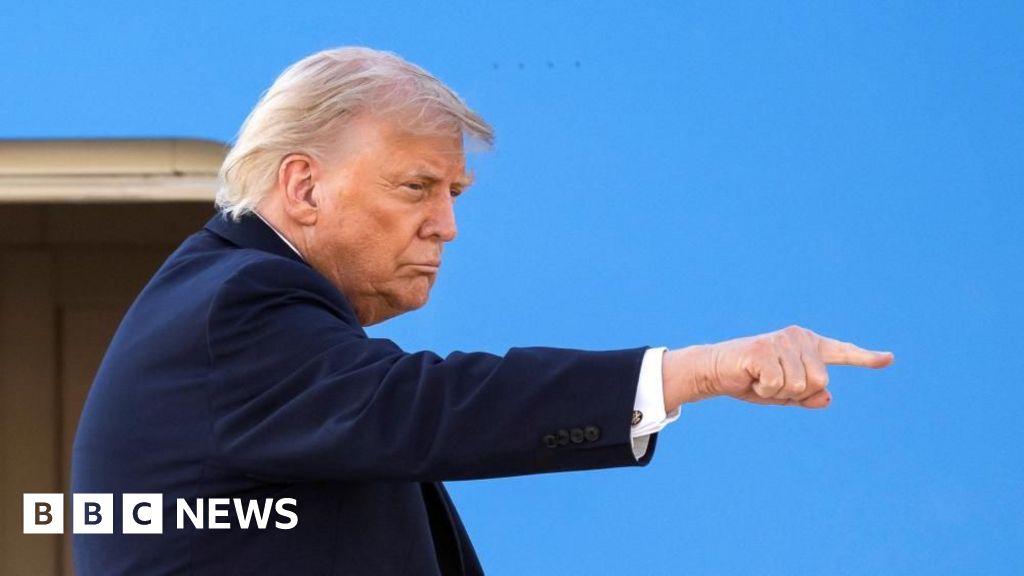
The story of President Donald Trump’s secret plane swap has ignited a significant level of concern, centering on the potential ramifications of his travel and the escalating threat posed by Iran. The incident, detailed in a recent ABC interview, reveals a carefully orchestrated maneuver designed to shield Trump from potential harm, prompting a re-evaluation of the risks he faces, particularly in a volatile geopolitical landscape.
The core of the story stems from a series of escalating events following the launch of the US military campaign against Iran. Following the assassination of Ayatollah Ali Khamenei and other top Iranian officials, a direct line was drawn from this attack to threats the Iranians had made against Trump. Trump, in a phone conversation with Defense Secretary Pete Hegseth, explicitly stated that Iran had sought to eliminate him and that this was a direct consequence of his actions.
This revelation, delivered in the immediate aftermath of the campaign, was quickly followed by a series of carefully orchestrated measures designed to obscure Trump’s movements. The most significant of these was the deliberate concealment of his presence within the presidential Air Force One 747, effectively transforming it into a decoy. The White House has largely refrained from providing detailed specifics regarding this Iranian threat, yet the incident has become a prominent focal point within the media and security circles.
The incident has been further underscored by previous presidential travel patterns, notably the January 2020 missile strike against Iranian Revolutionary Guard Corps leader Qasem Soleimani. This event, in conjunction with a deliberate and ongoing pattern of clandestine travel, has heightened concerns about the potential for Iran to pose a direct threat to Trump’s safety.
Government security experts have consistently highlighted the need for such measures, emphasizing that they are not uncommon when a president undertakes travel in or near a warzone. Past presidents, including those who had traveled to Afghanistan, Iraq, and Ukraine under cover of secrecy, have consistently faced the risk of targeted attacks, though these were often achieved through unearthing of information by media outlets.
The optics of Trump’s concealment, particularly during a rally in Butler, Pennsylvania, where a gunman fired at him, are viewed as less than ideal for a president who has frequently touted his strength – and, arguably, his fragility – as a target.
The Biden administration has issued warnings against Iranian targeting of US citizens, following the discovery of a plan to target former Trump National Security Advisor John Bolton, and in July 2024, the US law enforcement arrested a Pakistani man, Asif Merchant, for plotting to kill Trump. The subsequent arrest of a fellow Afghani citizen, Farhad Shakeri, further complicates the situation, as prosecutors allege that Shakeri was directed by an IRGC official.
As the weeks surrounding Trump’s departure from Turkey progressed, the situation escalated. The President wrote on Truth Social that Iran had made threats "to assassinate, or attempt to assassinate" him and said 1,000 "missiles are Locked and Loaded and aimed at the Islamic Republic of Iran, with thousands more to immediately follow, should the Iranian Government act on its threat".
The president’s message to Iran was blunt. Many of the recent threats against him have been unequivocal, too.
Trump’s bombing of Iran’s nuclear research facilities in 2025, and this year’s expansive bombing campaign and naval blockade, prompted a new round of Iranian threats against him – and a direct warning by the US president in response.
At the funeral service for Khamenei, held the day before Trump departed Turkey, participants carried a banner that read "#KillTrump". The following week, in a square in central Tehran, a building featured a large mural of the American president, lying in a black coffin, with the words "We will kill Trump" and "Blood for blood" written below it.
Iran has denied involvement in any previous plots against Trump, but the message – delivered after Khamenei’s death and reports of Iranian civilian casualties in US and Israeli strikes – has been clear.
The war, Iranians are saying, is far from over. And Trump, himself, is a target for revenge.
This incident has highlighted the heightened sense of anxiety surrounding President Trump’s security, particularly in the context of his travel and the potential for a retaliatory strike. The political and strategic implications of this unfolding situation are considerable, demanding a thorough examination of the risks involved and the potential for a significant shift in the global geopolitical landscape.
Watch Related Video
Source: BBC News