





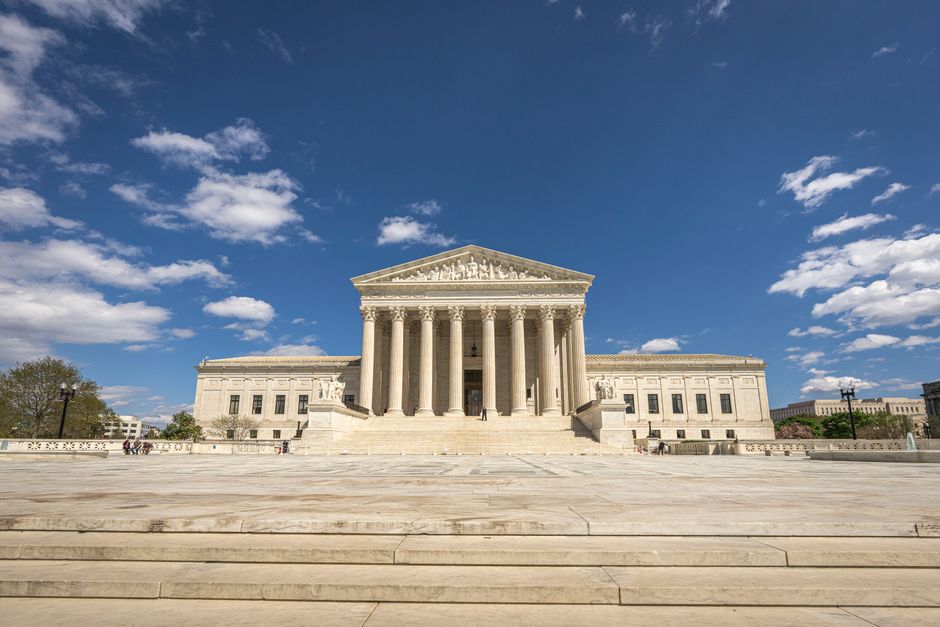
On July 28, 2026, Elorm Kwami Gorni, a private citizen and researcher, filed a lawsuit against Attorney General Dominic Ayine and Chief Justice Paul Baffoe-Bonnie at the Supreme Court, challenging the constitutionality of Ghana’s legal vacation arrangements for the Supreme Court and Court of Appeal. The suit, brought by Mr. Gorni, alleges that the suspension of sittings for two months – August 1st to September 30th – constitutes an inconsistency with the Constitution, specifically Article 19(1), 23, 33, 125, and 296 of the 1992 Constitution. The lawsuit, spearheaded by Mr. Gorni, seeks to safeguard citizens’ constitutional right to timely access to justice.
Mr. Gorni asserts that while the High Court continues to hear cases through designated Vacation Courts, the Supreme Court and Court of Appeal do not sit throughout the two-month period. He argues this suspension could significantly impede litigants’ ability to pursue legal matters within a reasonable timeframe, particularly in appeals, constitutional cases, and applications for stay of execution.
Mr. Gorni is requesting the Supreme Court to declare that the suspension of the sittings of the two courts, as observed by the Superior Courts of Judicature of the Republic of Ghana, is unconstitutional. Specifically, he’s asking the court to order the Chief Justice to consider alternative arrangements, including rotational sittings, vacation panels, or staggered leave for judges.
He contends that such measures would allow the Supreme Court and Court of Appeal to continue hearing cases throughout the year while still ensuring judges’ annual leave is maintained, according to the Constitution. The plaintiff is seeking an order directing the Chief Justice to implement these adjustments to ensure continued judicial access. The case has significant implications for the balance of power within the judiciary and the Constitution’s protection of fundamental rights.
The lawsuit raises broader questions about judicial rest and the constitutional framework governing the judiciary’s operationalization, considering the constitutional principles of fairness and reasonableness.
Read the reliefs being sought below:
a) A declaration that the practice of legal vacation as observed by the Superior Courts of Judicature of the Republic of Ghana, insofar as it results in the suspension or substantial restriction of the hearing and determination of cases by the Court of Appeal and the Supreme Court for a continuous period of two months, thereby occasioning undue delay in the administration of justice and unjustifiably restricting litigants’ access to the courts, is inconsistent with and in contravention of Articles 1(2), 19(1), 23, 125(3), 125 and 296 of the Constitution of the Republic of Ghana, 1992, and is therefore unconstitutional, null, void and of no effect to the extent of its inconsistency.
b) A declaration that the practice of legal vacation as observed by the Superior Courts of Judicature of the Republic of Ghana, insofar as it results in the suspension of the hearing and determination of cases by the Court of Appeal and the Supreme Court for a continuous period of two months, thereby occasioning undue delay in the administration of justice and restricting litigants’ access to the courts, is inconsistent with and in contravention of Articles 1(2), 19(1), 23, 125(3), 125(3), 125 and 296 of the Constitution of the Republic of Ghana, 1992, and is therefore unconstitutional, null, void and of no effect to the extent of its inconsistency.
c) A declaration that Rule 61(b) of the Court of Appeal Rules, 1997 (C.I. 19), and Rule 82 (Vacation) of the Supreme Court Rules, 1996 (C.I. 16), insofar as they provide for or permit the suspension of the sittings of the Court of Appeal and the Supreme Court for a continuous period of two months during legal vacation, thereby delaying the hearing and determination of cases and restricting litigants’ access to the courts, are inconsistent with and in contravention of Articles 1(2), 19(1), 23, 33(1), 125(3), 125(3), 125 and 296 of the Constitution of the Republic of Ghana, 1992, and is therefore unconstitutional, null, void and of no effect to the extent of their inconsistency with the relevant provisions of the Constitution of the Republic of Ghana, 1992.
Watch Related Video
Source: Adom Online