





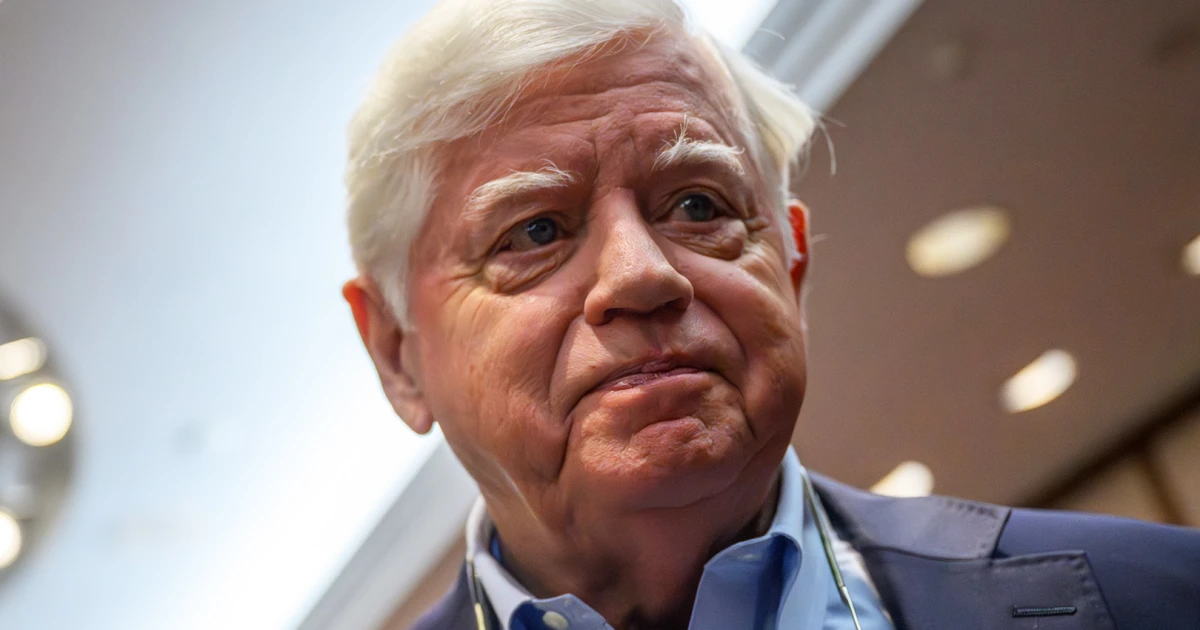
Democratic Representative John Larson has experienced a significant setback in his bid for re-election to the Connecticut House of Representatives, losing to former Hartford Mayor Luke Bronin in a primary race, according to NBC News projections. This marks the tenth House member to lose a primary race this year, including seven Democrats and three Republicans. Larson, a fixture in Connecticut politics since 1998, has served in the legislature for nearly three decades and previously held leadership positions within the state’s congressional delegation, including the House Minority Leader, Hakeem Jeffries, and key labor unions. Larson’s campaign has been characterized by a push to revitalize the Democratic Party, particularly in response to President Donald Trump’s second term and the perceived shift in national energy towards conservative policies. Bronin, who has been a vocal advocate for generational change, mounted a vigorous campaign, leveraging a well-organized state-level convention to secure the state party’s endorsement. The contest has ignited a broader discussion within the Democratic Party regarding the need for younger leadership and a renewed focus on grassroots engagement. Larson, in a recent interview with NBC News, reiterated his commitment to challenging Trump’s policies and highlighting his record of legislative action, stating, ‘I think the change that we need is to continue to go after Donald Trump.’
Bronin’s campaign strategy focused on positioning Larson as an outlier, arguing that his long tenure in office and the last decade of his time in Congress represent a stagnation of progress. Bronin’s message resonated with activists and party members who felt that Larson’s experience was becoming increasingly entrenched in a routine. The election results suggest a growing dissatisfaction within the Democratic Party regarding the perceived lack of dynamism and forward momentum within the party’s leadership. While Larson’s campaign has focused on rallying support within the existing Democratic structure, Bronin’s appeal to a younger generation and a desire for a more transformative shift in the party’s direction appears to have proven effective. The results are being analyzed as a reflection of a larger trend within the Democratic Party, with many analysts suggesting that the movement for generational change represents a significant challenge to the party’s established norms and practices. The political landscape is now being closely watched as the Democratic Party navigates these evolving dynamics and seeks to redefine its future direction.
Watch Related Video
Source: NBC News