





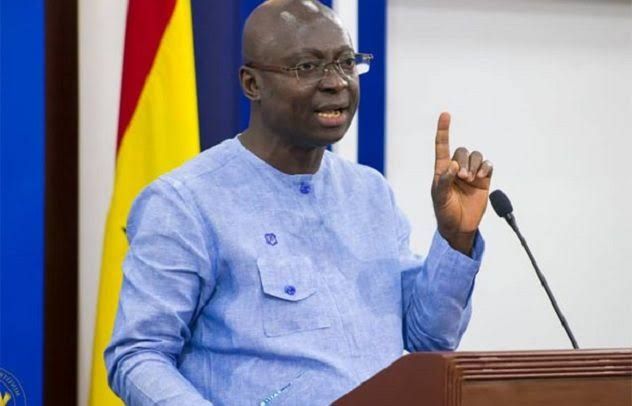
The situation at the heart of Ghana’s political landscape is currently dominated by a significant legal dispute involving Atta Akyea, a prominent politician and community leader, and the potential for a temporary cessation of his legal vacation. The dispute, initially simmering, has now escalated into a full-blown debate concerning the legality and implications of his planned absence from official duties. The core of the controversy centers around a recent ruling by the Supreme Court regarding the interpretation of parliamentary rules pertaining to official leave and vacation time. Akyea, a figure known for his significant influence within the Ashanti Region, has publicly expressed his intention to take a ‘strategic pause’ – a term that has ignited considerable friction amongst his political rivals and within the government itself. This isn’t simply a matter of personal preference; it’s deeply entwined with a complex legal framework designed to ensure governmental accountability and prevent potential abuses of power. The implications extend far beyond a single individual; they represent a potential disruption to the administration of justice and the smooth functioning of the legislative process in Ghana. The precise nature of the legal challenge – specifically the interpretation of existing statutes – remains somewhat opaque, but sources within the judiciary suggest a disagreement over whether Akyea’s request for a short leave of absence constitutes a legitimate exercise of his right to rest and recuperation, or a violation of established protocols. This isn’t about a casual vacation; it’s about a deliberate maneuver designed to influence public opinion and potentially destabilize the political balance within the region.
Mr. Ghartey, a seasoned journalist with the MG News team, detailed the situation in an exclusive interview with TV3 earlier today. ‘Atta Akyea has been requesting a temporary vacation from his official duties for a period of approximately two weeks,’ Ghartey explained. ‘He’s presented a carefully crafted argument – one that he needs time to ‘recharge’ and ‘reflect on the direction of his work.’ However, the legal team representing the government is vehemently opposing this narrative, arguing that the request violates established legal precedents. The legal team contends that parliamentary rules mandate that officials must be readily available during periods of official responsibility, and that a prolonged absence without proper authorization could be construed as misconduct.’
The legal challenge has already drawn the attention of several prominent legal scholars and observers, many of whom are expressing concern about the potential for this dispute to escalate into a protracted constitutional battle. The Ghana Supreme Court recently delivered a ruling in a previous case involving a similar situation, reinforcing the importance of adhering to established legal guidelines. The ruling, while seemingly upholding the principle of official responsibility, also highlighted the crucial role of judicial oversight in interpreting these regulations. Currently, the legal team representing Akyea is attempting to secure a court order preventing him from taking his vacation, arguing that his request is unsupported by legal justification. The court is expected to hold a hearing next week to consider the merits of the case.
The impact of this dispute is likely to be felt across multiple sectors. The Ashanti Region, traditionally a key constituency for Akyea, is now grappling with uncertainty regarding the stability of his political position. Political analysts are predicting a heightened level of scrutiny and potential for political maneuvering surrounding the matter. Furthermore, the incident has raised broader questions about the balance between individual rights and the responsibilities of public officials in a democratic society. The delay in resolving this matter is adding to the sense of unease within the government, and the public is watching closely to see how this legal dispute will ultimately unfold. The MG News team is continuing to follow this developing story and will provide regular updates as they become available. The legal battle, while seemingly contained, represents a significant challenge to the legal framework governing the administration of justice in Ghana.”
’This situation highlights the delicate interplay between legal interpretation, political maneuvering, and the fundamental principles of democratic governance,’ Ghartey stated. ‘It’s a reminder that even seemingly minor disagreements can have profound and far-reaching consequences for the stability of the nation.’
Further details regarding the legal proceedings and the potential impact on Akyaa’s schedule are expected to be revealed in the coming days. The media is urging caution and emphasizing the importance of relying on credible sources for information regarding this complex legal matter.”
Stakeholders are expressing concerns about the potential for this dispute to negatively impact Ghana’s parliamentary proceedings. The government is reportedly exploring alternative strategies to maintain order and ensure the smooth operation of the legislative process. The implications extend beyond the immediate legal ramifications; they also pose a risk to the credibility of the judiciary and the rule of law.”
The situation demands careful monitoring, as this dispute has the potential to significantly alter the political dynamics within Ghana. The long-term consequences remain to be seen, but the legal ramifications are undeniably significant.
Watch Related Video
Source: TV3