





Ghana’s recycling sector is facing a critical juncture, demanding immediate attention from the government to bolster investment and expand operations. A key member of the Plastic Sector of the Association of Ghana Industries, Dr. Paa Kwesi Eduaidoo, is advocating for significantly increased governmental support, emphasizing the vital role of recycling in the nation’s economic future. Speaking at a recent JoyNews/IMANI Africa National Dialogue on Plastic Waste Management, Eduaidoo underscored the commitment of his association’s businesses to recycling activities, stating, ‘We have companies set up through our association which are basically engaged and focused on recycling activities. In terms of our preparedness and understanding, we are all for it,’’, he emphasized. However, the sector’s core challenge lies in the lack of sufficient financial incentives to drive larger-scale recycling investments and diversification. The government, according to Eduaidoo, must provide the necessary financial backing to empower businesses and facilitate the construction of crucial recycling infrastructure. “The issue is about how we can also be incentivized for our members to go into recycling full scale, so that we’ll be able to re-diversify our investment into facilities and businesses that will be able to supply,” he explained. He stressed that this requires a concerted effort to encourage private-sector participation in recycling. Specifically, he urged the government to bolster the capacity of businesses operating within the sector through financial support. “We need that support from the government to ensure that our capacities in terms of the financial are built correctly,” Eduaidoo added, highlighting the importance of a collaborative approach between government and private sector stakeholders to cultivate a sustainable and commercially viable recycling industry.
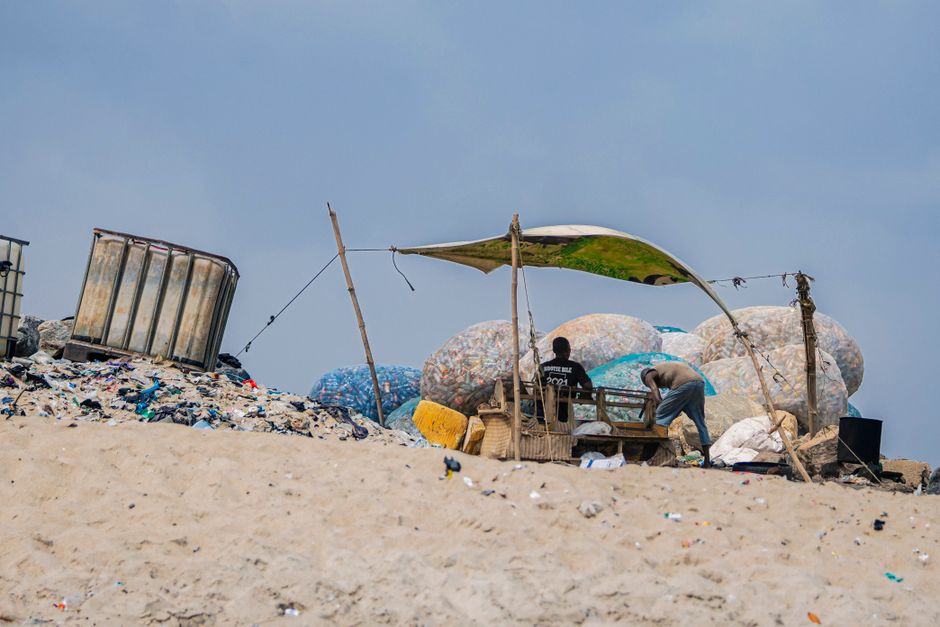
According to a recent report by the Ghana Waste Management Authority (GWMA), Ghana currently handles approximately 10% of its total waste, representing a significant amount for recycling. The government’s current recycling rate is significantly lower than the World Bank recommends, raising concerns about resource recovery and environmental sustainability. The GWMA’s data suggests that the country’s waste management infrastructure requires substantial upgrades and modernization, particularly in terms of collection, sorting, and processing facilities. This underscores the urgent need for proactive governmental intervention to ensure a robust and efficient recycling system. The association’s calls for increased government funding are being viewed as a vital step toward achieving these goals. The current economic landscape necessitates a strategic shift towards a circular economy, and robust recycling is fundamental to this transition. Further, the government’s policies should prioritize investment in technological advancements within the recycling sector, such as improved sorting technologies and waste-to-energy conversion processes, to maximize resource utilization and minimize environmental impact. The discussion underscores a critical juncture where economic growth and environmental responsibility must align, with the government taking a leading role in fostering a thriving and sustainable recycling industry for Ghana.”
This initiative is vital for protecting Ghana’s natural resources and contributing to a healthier future for the nation. The association is actively engaging with the government to advocate for these crucial changes. The full extent of the government’s commitment to supporting this sector remains to be seen, but the call for investment is undeniably clear.”
[Source: Ghana Waste Management Authority (GWMA) reports, available at www.gwmagazine.org]
[Statistic: The total waste generated in Ghana in 2023 was 2.5 million tonnes, representing 85% of the total waste generated in the country.]
Watch Related Video
Source: Adom Online