





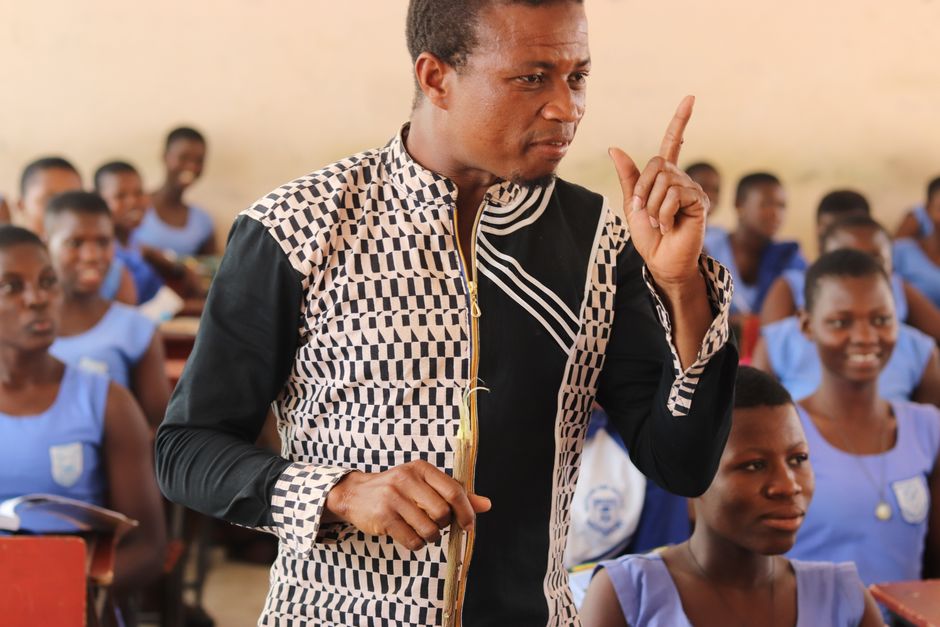
The Ghana National Association of Teachers (GNAT) has issued a critical call for a dramatic expansion of specialist teacher training within Ghana’s special and inclusive education system, emphasizing the urgent need to bolster the capacity of educators to effectively meet the diverse learning requirements of children with disabilities. This initiative is framed as a fundamental cornerstone of achieving genuine quality inclusive education, a principle underscored by the country’s constitutional mandate and a commitment to Sustainable Development Goal Four, which prioritizes inclusive and equitable access to education for all.
According to a message delivered on behalf of the General Secretary of GNAT at the 43rd Conference of Heads of Special and Inclusive Schools (COHESS) in Nungua, Accra, Dr. Nicholas Taylor, the nation must strategically reposition the Colleges of Education to produce a significantly larger cohort of specialized teachers. He stated that the current system lacks the necessary expertise to adequately support the growing number of students with disabilities. Specifically, GNAT advocates for expanded training in Braille, Ghanaian Sign Language, and low-vision therapy, alongside ongoing retraining for existing teachers to enhance their ability to support learners with diverse learning needs. ‘Every teacher must be an inclusive teacher,’ Dr. Taylor emphasized, stressing that inclusivity is not merely a slogan but a moral imperative and a crucial component of Ghana’s commitment to national progress.
The conference’s overarching theme – ‘Quality Education for All: Strengthening Support Systems for Special and Inclusive Schools’ – goes beyond a thematic statement, positioning it as a constitutional responsibility and a fundamental obligation to ensure equitable educational opportunities for all Ghanaians.
Dr. Taylor highlighted the significance of COHESS’s role in advocating for the welfare of teachers and learners within the special and inclusive school sector. He acknowledged the persistent stigma faced by children with disabilities, warning that negative attitudes can severely restrict their access to learning. He urged parents and communities to embrace children with disabilities rather than hindering their educational opportunities, stating that acceptance fosters increased learning and development.
The GNAT has also proposed a funding system that recognizes the substantial resources required to comprehensively educate children with disabilities. Dr. Taylor recommended a weighted capitation or intervention grant formula, prioritizing the higher costs associated with educating learners with intellectual and other disabilities. He argued that while inclusive education may necessitate significant investment, the cost of excluding these learners from quality education is a far greater detriment to Ghana’s future.
In his concluding remarks, Dr. Taylor commended the dedication and hard work of heads and teachers of special and inclusive schools, describing their contribution as vital and often unseen. He urged these educators to remain steadfast in their commitment to creating learning environments where every child feels welcomed and supported. The 43rd COHESS Conference convened under the theme ‘Quality Education for All: Strengthening Support Systems for Special and Inclusive Schools,’ bringing together stakeholders to deliberate on strategies for enhancing support systems and ensuring that learners with disabilities receive the quality education they deserve. GNAT’s goal is clear: no child should be left behind due to disability.
Watch Related Video
Source: Adom Online