






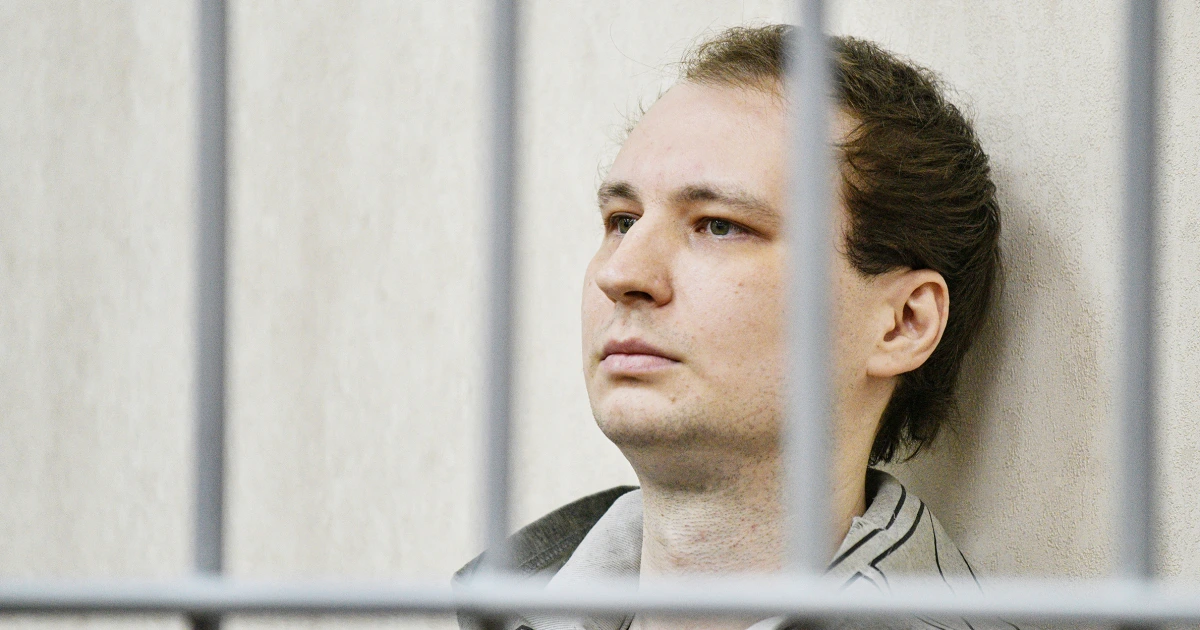
A former U.S. Marine, Robert Gilman, has been released from Russian custody following a lengthy period of incarceration, marking a significant development in a case that has drawn considerable international attention and raised questions about the legal and political landscape surrounding prisoner exchanges within Russia. Senator Ed Markey, in a statement released Tuesday, confirmed Gilman’s release, stating that he is ‘on his way home to the United States’ and that the release follows a period of approximately 50 days. The details surrounding Gilman’s detention and the circumstances leading to his imprisonment have been shrouded in complexity and controversy, primarily stemming from allegations of a severe mental health condition and a history of legal challenges.
Gilman was detained since 2022 and initially sentenced to a three-and-a-half-year sentence in 2022 following a conviction for assaulting a police officer following a disturbance incident. The charges against him included aggravated assault, a violation of the law that prohibits physical contact with law enforcement officials. His initial trial saw him facing a sentence of eight years and one month, a punishment that was later extended to ten years following a conviction for assaulting prison guards.
However, the details of Gilman’s condition following his initial incarceration have remained largely unclear. Markey acknowledged that he’s been unable to provide definitive information regarding his current state, stating that he’s ‘concerned about the long-term impact on his recovery.’ The Russian government has not yet issued a formal statement regarding Gilman’s release or the circumstances surrounding his detention. The incident has been viewed by some as a result of a complex legal battle involving allegations of a dissociative stupor – a condition characterized by a profound loss of awareness and responsiveness – and a subsequent investigation into potential abuse within the Russian prison system.
The case has also highlighted the broader issue of American prisoners being held in Russia, with reports indicating that at least ten Americans are currently incarcerated within the country’s borders. This raises concerns about potential human rights violations and the lack of transparency surrounding the legal processes involved in prisoner management. Legal experts suggest that the situation could be indicative of a broader pattern of political maneuvering and potential restrictions on international cooperation regarding prisoner exchanges. Further investigation into Gilman’s condition and the circumstances leading to his release is expected, potentially impacting the ongoing diplomatic efforts aimed at mitigating the risks associated with American prisoners in Russia.
The release of Gilman comes amidst growing scrutiny of Russia’s human rights record and its treatment of political dissidents and individuals accused of challenging the Kremlin’s authority. The United States government has consistently expressed concerns about the legal and ethical implications of maintaining such a large number of American prisoners in Russia, emphasizing the importance of upholding international law and ensuring the humane treatment of all individuals under its jurisdiction.
Watch Related Video
Source: NBC News