





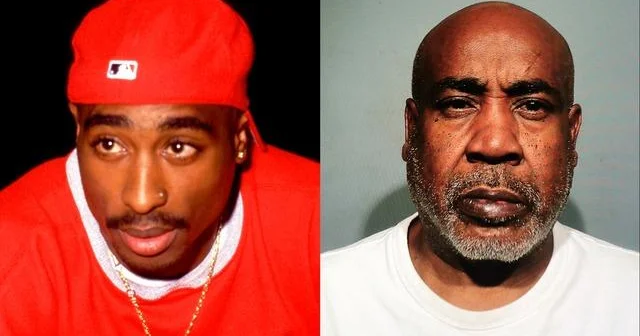
The legal battle surrounding the death of Tupac Shakur, which began in 1996, has reached a critical juncture with the scheduled trial of Duane "Keffe D" Davis in Las Vegas, nearly 30 years after the fatal drive-by shooting in the city’s Strip. Prosecutors are seeking to prove Davis’s direct involvement in Shakur’s demise, alleging he orchestrated the event and provided the weapon. The case has been a subject of intense public fascination, fueled by Shakur’s influence on hip-hop culture and the enduring mystery surrounding his unsolved death. For decades, the investigation has been overshadowed by the complex web of rival record labels, gang affiliations, and the lingering debate about the precise circumstances surrounding the event. The trial is expected to last approximately a month, with prosecutors primarily aiming to establish Davis’s role as the shot caller, not to reveal the exact trigger. The case has been meticulously pieced together through a combination of police investigations, witness testimonies, and, most recently, Davis’s own revelations in his memoir, ‘Compton Street Legend.’ The defense argues that Davis left the narcotics trade in 2009 and worked a steady job before illness forced him to retire, making it difficult to connect him directly to the incident. The state relies heavily on the accounts of witnesses who weren’t present at the scene, and the defense intends to present evidence that Davis’s testimony was fabricated, potentially stemming from his involvement in the South Side Compton Crips gang. The prosecution’s case hinges on the ‘Compton Street Legend’ book, which detailed Davis’s time within the Crips and his connection to the gang, alongside police and media interviews. The trial’s significance extends beyond the immediate legal ramifications; it’s a reflection of the enduring fascination with Tupac’s legacy and the complex history of hip-hop culture. The investigation has unfolded through numerous witness testimonies, and the prosecution’s strategy involves recreating the events leading up to the shooting, using the book as a crucial piece of evidence. The case has also drawn attention to the historical rivalry between Death Row Records and Bad Boy Records, and the ongoing conflict between the Mob Piru and South Side Compton Crips gangs. The trial’s unfolding details have been bolstered by the release of substantial police and media interviews, providing a detailed account of the events leading up to the shooting, the role of the Cadillac, and the subsequent actions of the involved parties. The evidence presented includes detailed accounts from law enforcement and witnesses, providing a detailed timeline of events. The case has also brought attention to the potential involvement of federal task forces investigating the deaths of Wallace and Shakur, with the prosecution alleging Davis’s interview with a federal task force was intended to be confidential. The legal battle has been a long and complicated process, with the prosecution attempting to use the book as a foundation for their case and the defense seeking to challenge the use of the book and the source of the interview. The court is implementing a lottery system to determine who will watch in the main courtroom, KLAS reports, with limited seating available. The trial will delve into the complex relationships between the rival gangs, the events leading up to the shooting, and the potential motivations of the individuals involved. The case has been supported by numerous expert analyses, including those from Jeffrey O.G. Ogbar, a Professor of Popular Music at the University of Connecticut, who has extensive knowledge of Tupac’s cultural impact. The trial’s ramifications are far-reaching, impacting not only the legal proceedings but also the broader narrative surrounding Tupac Shakur’s legacy and the enduring impact of his music on hip-hop culture. The prosecution’s argument centers on the ‘Compton Street Legend’ book, which Davis co-authored, and the alleged connection between Davis and the South Side Compton Crips. The defense contends that Davis’s involvement was minimal and that the state’s reliance on witness testimony is insufficient to prove his culpability. The trial is expected to continue for a month, providing a platform for the prosecution to present its case and the defense to challenge its validity.” , ]}” ,
Watch Related Video
Source: CBS News