





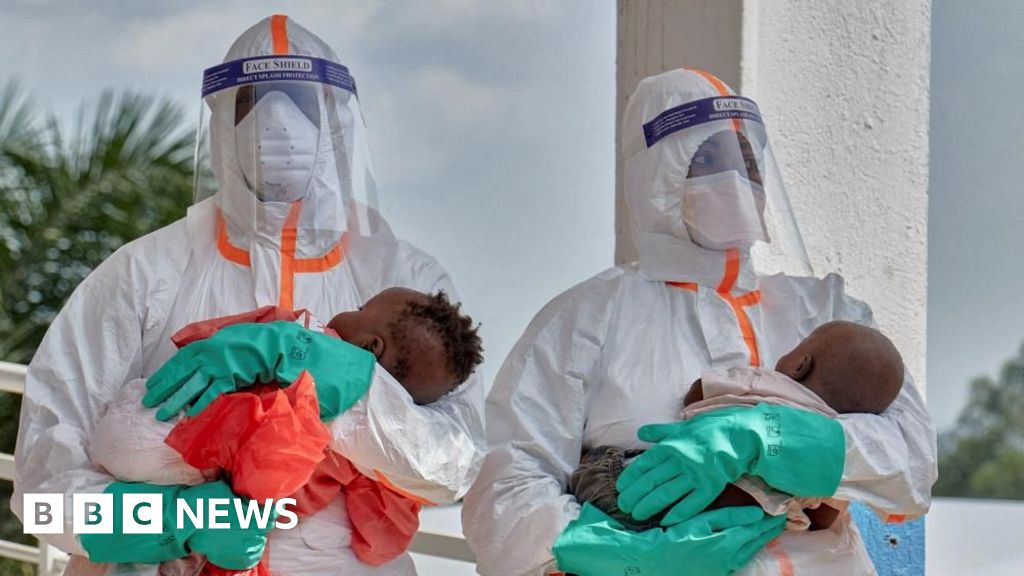
The Democratic Republic of Congo is currently experiencing the worst Ebola outbreak in the country’s history, according to the World Health Organization (WHO), with a staggering 3,605 confirmed cases and 1,587 deaths – a fatality rate of 44% – representing the highest recorded in the nation’s history.
As of July 30th, 2026, the outbreak is predominantly attributed to the Bundibugyo strain of the virus, which was declared on May 15, 2026, surpassing the previous largest outbreak between 2018 and 2020, which resulted in nearly 3,500 recorded cases and an approximate 2,300 deaths.
The current situation is exacerbated by the fact that there is currently no approved vaccine or treatment specifically designed for the Bundibugyo strain, though vaccines are being developed in collaboration with the UK and Singapore.
Ebola, a highly contagious disease that spreads through direct contact with bodily fluids, has tragically killed 15,000 people across Africa over the last 50 years. The WHO stated in a statement posted on X that the outbreak is ‘intensifying’, exhibiting sustained transmission and increased reported cases and deaths.’
The WHO further emphasized that during the past week, the outbreak reached its highest weekly total with 567 cases and 296 deaths, underscoring the rapid pace of transmission.
It warned that these figures underscore ‘the exceptional pace of transmission’ and highlight the continued challenges in containing the outbreak, particularly given factors like insecurity, population displacement, and cross-border movement that continue to hinder effective response efforts.
The outbreak is currently concentrated in the Ituri province in the northeast of the country, bordering South Sudan and Uganda, but has also spread to other areas, including the North and South Kivu provinces, where large areas are controlled by the Rwandan-backed M23 armed group.
Furthermore, the WHO noted that the convergence of insecurity, population displacement, and mobility, combined with cross-border movements, complicates response operations and increases the risk of further geographical spread.
During the current outbreak, 20 cases have also been reported in Uganda along with one in France, and two cases diagnosed in DR Congo were later treated in Germany. The WHO reported that two cases diagnosed in DR Congo were later treated in Germany.
Two cases diagnosed in DR Congo were also later treated in Germany, indicating the ongoing efforts to manage the situation. The WHO has indicated that the ‘most promising’ vaccine will be developed in Singapore, while a separate vaccine is being tested in the UK.
These developments underscore the significant challenges facing the DRC in controlling the Ebola outbreak and the urgent need for continued international collaboration to mitigate the risk of further spread.
Watch Related Video
Source: BBC Africa