






The global oil market is currently experiencing a period of heightened volatility, with a concerning trend emerging: a marked increase in oil prices, largely attributable to escalating concerns surrounding the status of the US-Iran deal and recent incidents of maritime activity in the region. This situation is profoundly impacting energy security and investor confidence, necessitating a careful assessment of potential risks and long-term implications across the industry.
Initial reports suggest a significant uptick in crude oil prices, with analysts citing several factors contributing to this downward pressure. These include persistent uncertainties surrounding the trajectory of the US-Iran negotiations, which have been ongoing for several months, and a noticeable increase in incidents involving commercial vessels navigating the Strait of Hormuz – a critical chokepoint for global oil trade. The recent spate of attacks, though not yet involving significant losses, has heightened operational risk and underscored the fragility of maritime security in the region.
The US-Iran relationship, a complex and often tense dynamic, has been a focal point of geopolitical scrutiny for years. The existing agreement, aimed at managing nuclear proliferation, has been fraught with obstacles and disagreements, and recent diplomatic efforts to revive the dialogue have yielded limited progress. The lack of concrete breakthroughs in this area is undoubtedly contributing to the overall sense of instability and uncertainty within the energy sector. However, the immediate catalyst for this price increase isn’t simply the lack of agreement; it’s the practical implications of this uncertainty for oil production and delivery.
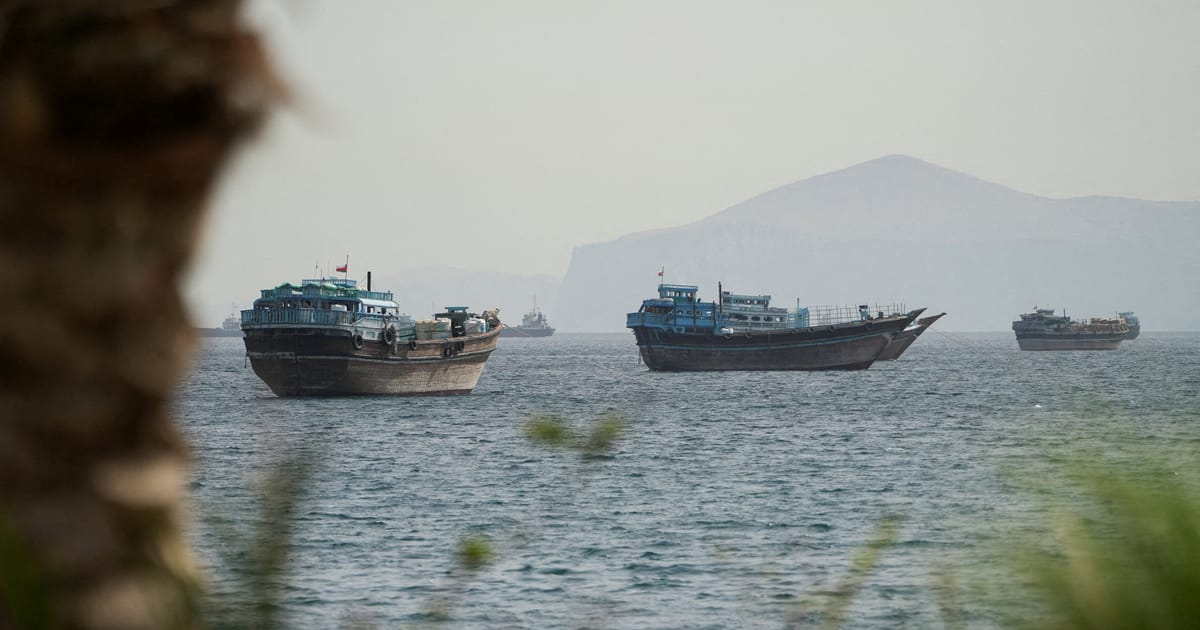
The recent series of incidents involving commercial ships in the Persian Gulf is a particularly worrying development. Reports from various sources indicate a surge in instances of vessel attacks, ranging from minor damage to more serious incidents involving potential loss of cargo. While the exact number of incidents remains fluid and subject to verification, the frequency and severity of these attacks are raising concerns about the overall safety of maritime operations in the region. The United Nations has expressed concern over the potential for further disruptions to shipping lanes, and international maritime organizations are actively monitoring the situation.
Analysts at Goldman Sachs have issued a stark warning, estimating that a prolonged period of instability could potentially disrupt over 60% of global oil supply – a figure that has significant ramifications for the global economy. Their projections suggest that the market could experience a significant price spike, potentially exceeding 10% in the coming months, based on current economic indicators and geopolitical risk assessments.
The potential impact extends beyond immediate price fluctuations. The longer-term consequences could include increased operational costs for shipping companies, potential delays in deliveries, and heightened geopolitical tensions. Furthermore, the ongoing instability in the region undermines confidence in long-term oil investments, potentially dampening global demand.
Several major oil producers, including Saudi Arabia and Russia, have been observed reducing their output in response to these concerns, adding further pressure on global markets. However, the impact of these production cuts is likely to be temporary, and the market remains susceptible to unexpected events.
The volatility is not solely driven by the US-Iran negotiations; factors such as geopolitical tensions, sanctions, and the overall health of global demand also play a crucial role. However, the recent incidents and the heightened uncertainty surrounding the deal are undoubtedly accelerating the downward pressure on prices, creating a challenging environment for oil producers and consumers alike.
The US Energy Information Administration (EIA) recently released a report highlighting that recent production data suggests a potential decline in output from several key oil-producing countries, further contributing to the existing supply constraints. The report emphasizes the need for proactive risk mitigation strategies to ensure a stable and predictable oil market.
Looking ahead, the situation remains precarious. The lack of clarity regarding the US-Iran deal, coupled with the escalating incidents in the Persian Gulf, presents a significant challenge to stabilizing the global oil market. Further monitoring of geopolitical developments and the ongoing assessment of maritime security are crucial to anticipate future price movements and potential disruptions to global energy supplies. The economic implications of these events will be felt across a wide range of sectors, demanding a coordinated response from governments, industry stakeholders, and international organizations.
This situation underscores the critical importance of maintaining open communication channels and proactively addressing potential risks within the global energy landscape. The long-term stability of the oil market hinges on a sustained resolution of these challenges and a robust effort to safeguard maritime security. The ongoing uncertainty demands a cautious approach and a focus on resilience within the industry.
Further analysis suggests a potential for a significant shift in the geopolitical landscape, with implications extending beyond the immediate energy sector – impacting trade, investment, and diplomatic relations globally. The situation demands careful observation and strategic planning to mitigate potential fallout.
Watch Related Video
Source: TV3