





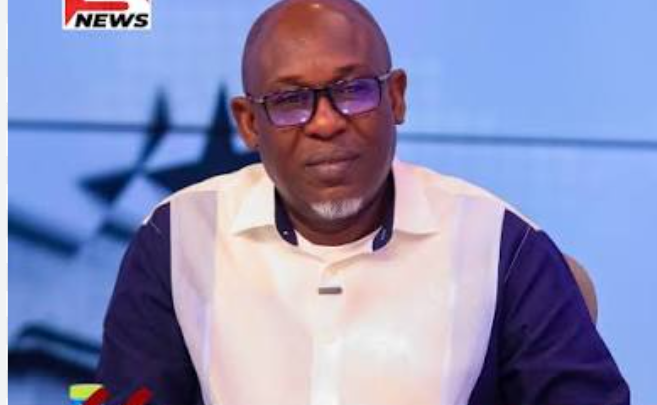
The situation surrounding Bentil Tamakloe, a prominent journalist and activist, has ignited a significant and increasingly heated debate within Ghana’s media landscape. The core of the controversy centers on the legal proceedings involving his release from detention, a move that has been interpreted by some as a deliberate attempt to circumvent established legal frameworks designed to protect journalists’ safety and freedom of expression. The news, initially reported by TV3, has quickly evolved into a national conversation, demanding a thorough examination of the legal implications and the broader political context.
Laud Nartey, a current affairs editor at Media General, a leading television station serving TV3 Ghana, has been instrumental in providing the detailed reporting on this unfolding drama. As a seasoned journalist, Nartey possesses a unique perspective, meticulously documenting the events and offering crucial context surrounding the legal challenges.
Bentil Tamakloe, a vocal critic of government policies and a long-time advocate for transparency and accountability, was detained in December 2023 following a report by the National Security Agency (NSSA) that he had been disseminating information deemed critical of the government. The NSSA’s report outlined a series of alleged violations, including the dissemination of information deemed to be ‘disruptive’ and ‘inflammatory.’ The subsequent arrest and detention of Tamakloe triggered a legal battle, with the Attorney General’s office arguing that the detention was justified under existing laws designed to safeguard public order and maintain stability.
The legal proceedings against Tamakloe have been protracted and contentious. The government has maintained that Tamakloe’s detention was a necessary measure, citing concerns about potential harm to public safety and stability, particularly given his reporting on sensitive political issues. However, legal experts and human rights organizations have vehemently challenged this justification, arguing that the detention violated Tamakloe’s constitutional rights, specifically the right to freedom of expression and assembly, as enshrined in Ghana’s constitution.
The core of the legal challenge revolves around the interpretation of the ‘public order’ clause within the existing laws. The NSSA’s report detailed the specific information Tamakloe was disseminating, which includes, but is not limited to, reports on government corruption, alleged mismanagement of public funds, and concerns regarding the environmental impact of mining activities. The government’s argument hinges on the notion that these reports, when aggregated, could potentially incite unrest or undermine the government’s authority.
In a significant development, on January 26, 2024, the High Court of Ghana granted Tamakloe bail, a decision that has been met with both celebration and cautious skepticism within the legal community. The ruling, however, doesn’t automatically absolve Tamakloe of all charges. The court’s decision established a crucial precedent, signaling that the government’s interpretation of the public order clause is being scrutinized.
The legal battle extends beyond the courtroom, deeply impacting Ghana’s media landscape. The incident has intensified the debate surrounding media freedom and the role of the judiciary in safeguarding this fundamental right. Media outlets across Ghana are grappling with questions of journalistic independence and the potential for government interference. The tension is palpable, with many analysts suggesting that this case could set a precedent for similar legal challenges in the future, particularly regarding the interpretation of laws designed to protect journalists.
The implications of this situation are far-reaching. It underscores the delicate balance between protecting public safety and upholding the principles of democratic governance and freedom of expression.
Furthermore, the situation highlights a broader challenge facing many democracies globally – the increasing pressure on journalists to self-censor and the potential for governments to utilize legal frameworks to suppress dissent. The legal proceedings against Tamakloe represent a significant escalation in this trend, demanding a careful assessment of the safeguards in place to ensure that journalists are not unfairly targeted.
The government has stated that they are committed to upholding the rule of law and that Tamakloe will be prosecuted according to the law. However, the legal team representing Tamakloe has expressed concerns about potential political motivations behind the proceedings, suggesting that the government may be attempting to use the case to further its agenda. This has fueled speculation about a potential political dimension to the case, potentially impacting the future of media freedom in Ghana.
The legal proceedings are ongoing, and the outcome remains uncertain. However, the events surrounding Bentil Tamakloe’s release have undeniably become a pivotal moment in Ghana’s political and media landscape, demanding a critical examination of the legal protections afforded to journalists and the broader implications for democratic freedoms.
Watch Related Video
Source: TV3