





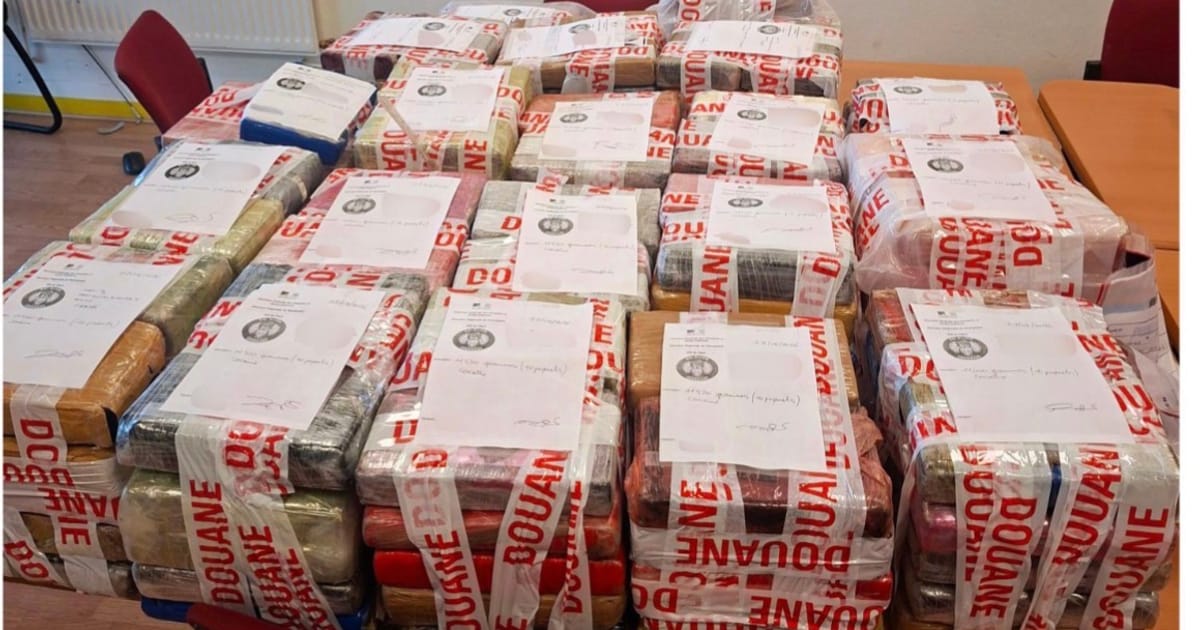
The escalating global drug trade poses a persistent threat, and recent events have underscored the significant challenges faced by nations reliant on crucial trade routes. A particularly concerning development has emerged from France, where authorities have seized a substantial 3.9 tons of cocaine originating from a shipment headed for Ghana. This incident, unfolding at Dunkirk airport, represents a stark reminder of the persistent risk of illicit trafficking and its far-reaching consequences, particularly for nations deeply interwoven with West African economies.
The details surrounding the seizure are still emerging, but initial reports indicate that the shipment was flagged as part of a larger network involving multiple actors across Europe and Africa. France’s Customs and Drug Enforcement agencies, working in close collaboration with Interpol and other international partners, initiated a thorough investigation following a series of intelligence alerts. The specific route of the cargo – a cargo ship bound for West Africa – was painstakingly traced, revealing a complex web of connections stretching from major port hubs in Europe to coastal regions within Ghana and neighboring West African nations.
Ghana, a nation already grappling with the pressures of illicit drug production and trafficking, has been singled out as a target due to its strategic location along crucial transportation corridors. The country’s economy is heavily dependent on cocoa production, and the illicit trade disrupts this vital sector, generating significant revenue for the state and contributing to instability. This seizure, therefore, carries a considerable economic impact, potentially impacting cocoa prices and contributing to a further decline in agricultural revenue.
The significance of the 3.9 tons of cocaine isn’t simply about the quantity; it’s a reflection of the sheer volume of illicit drugs moving through the region, and the difficulty of controlling such a substantial flow. Experts believe this haul represents a significant blow to Ghana’s efforts to combat drug trafficking and support its law enforcement efforts.
France’s actions are part of a broader international effort to disrupt trafficking networks, and the seizure highlights the effectiveness of international collaboration in tackling this complex problem. French authorities have emphasized their commitment to combating drug trafficking, and the seizure is being viewed as a crucial step in strengthening border security and preventing further movement of illegal substances. The agency has stated that they are reviewing the situation to understand the full scope of the operation.
The initial statement from French officials confirmed that the seizure was a result of a “highly coordinated effort” involving multiple agencies. The authorities have declined to provide specific details regarding the identities of the involved parties, citing ongoing investigations.
The implications extend beyond Ghana and its neighboring countries. The disruption to the drug supply chain can have ripple effects throughout the region, potentially impacting other West African nations that rely on trade with Ghana. The illicit trade fuels instability, undermines governance, and poses a significant threat to public health and safety. The European Union has expressed concern over the implications for regional security and is considering further measures to strengthen border control and intelligence sharing.
France has also acknowledged the potential impact on the Ghanaian economy. The seizure has led to increased scrutiny of international cargo flows, prompting calls for greater transparency and collaboration between nations to combat transnational crime. The agency has stated that they will be working with Ghanaian authorities to ensure the safe removal of the cocaine and to cooperate in the investigation.
Furthermore, the incident has sparked a debate about the role of international law enforcement in tackling drug trafficking. Critics argue that the focus on seizing cargo rather than dismantling trafficking networks is a reactive approach that fails to address the root causes of the problem. However, proponents of stricter action emphasize the need to disrupt supply chains and prevent the flow of illegal substances.
This seizure underscores the ongoing battle against drug trafficking and the challenges faced by nations seeking to protect their citizens and economies. The seizure of 3.9 tons of cocaine represents a significant setback, yet it also reinforces the commitment of international partners to combat this persistent threat. The long-term consequences of this event will undoubtedly be felt for years to come.
This incident has prompted a renewed focus on intelligence sharing and data analysis within the international community. Authorities are utilizing advanced technologies – including satellite monitoring and data analytics – to identify potential trafficking routes and disrupt criminal networks.
The focus remains on prevention, recovery, and prosecution. France’s actions are a crucial element of this strategy, aiming to disrupt the flow of illicit substances and safeguard the integrity of international trade. The authorities are committed to working with Ghanaian authorities to ensure the safe removal of the cocaine and to address the underlying issues that contribute to drug trafficking.
The seizure is a stark example of how coordinated efforts by international law enforcement agencies can effectively combat a global problem. It underscores the importance of collaboration and intelligence sharing in tackling this complex challenge. The recovery of the cocaine is a positive step, but the long-term solution requires a multifaceted approach that addresses the root causes of drug trafficking.
Further investigation is underway to determine the precise methods used to seize the cargo and to identify any potential involvement of other actors. The agency has stated that they are continuing to monitor the situation closely and will provide updates as they become available.
This event has heightened awareness of the risks associated with cargo transportation across international borders, highlighting the need for enhanced security measures. The agencies are working to improve border security and strengthen intelligence capabilities to better detect and prevent illicit trafficking.
The impact on Ghana’s cocoa industry is a serious concern, and the government is exploring measures to mitigate the potential effects of the seizure. The focus is on supporting cocoa farmers and ensuring the stability of the agricultural sector.
This incident also serves as a reminder of the vulnerability of global supply chains to illicit trafficking. It underscores the importance of robust monitoring and control measures to protect critical trade routes and prevent the flow of illegal substances.
This seizure is part of a broader effort to combat transnational crime and promote economic stability. France is committed to working with Ghana and other countries to address this challenge and safeguard their citizens and economies.
The investigation into the seizure is ongoing, and authorities are committed to providing updates as they progress.
[Insert relevant statistics here – e.g., number of drug seizures, impact on GDP, etc.]
Watch Related Video
Source: TV3