






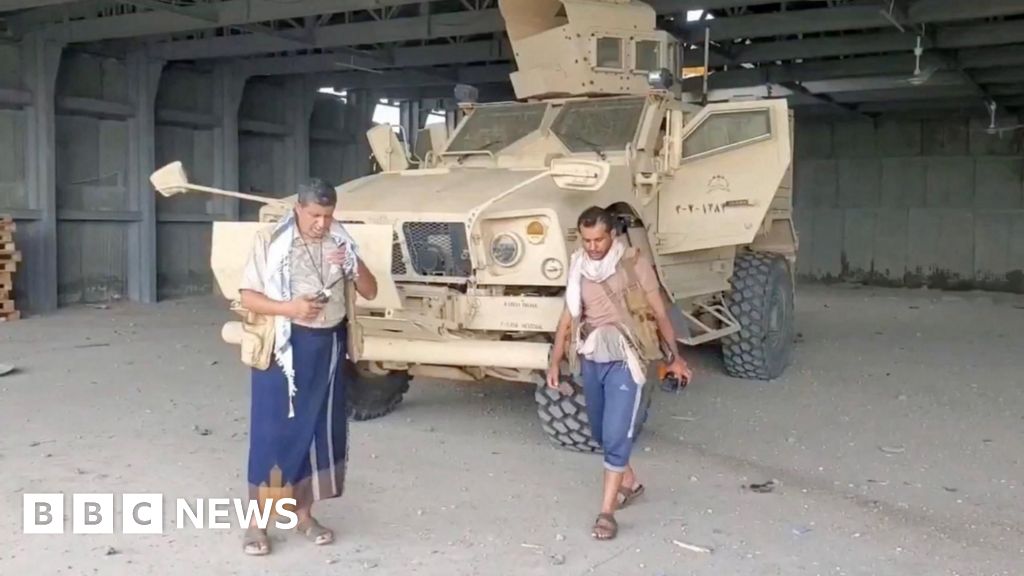
The situation in Yemen has dramatically shifted as the Houthi movement, a rebel faction aligned with Iran, has successfully seized control of the Red Sea port of Mokha from Saudi-backed forces, a development that is rapidly escalating regional tensions and significantly impacting global oil markets.
Since the beginning of an offensive in the south-western coastal region of Yemen a week ago, hundreds of civilians have been killed and thousands displaced, creating a humanitarian crisis. This unrest has been inextricably linked to a significant increase in the Houthis’ conflict with neighboring Saudi Arabia, a conflict that has triggered a substantial surge in global oil prices.
On Tuesday, the Houthis launched a barrage of drones and missiles at southern Saudi Arabia, resulting in the injuries of 73 civilians and several fires at oil facilities, halting operations across the region. Saudi authorities reported these incidents as a temporary setback, but the Houthis’ actions are clearly aimed at disrupting vital supply chains.
The Houthis’ stated retaliation for Saudi air strikes targeting their territory in Yemen, specifically a strike on a prison in the town of Hazm in Jawf province, which resulted in the deaths of at least 23 civilians, is a key element of their strategy. This action, which occurred in late July, further destabilized the region.
Following this initial escalation, the Houthis announced a ‘maritime embargo’ against Saudi Arabia, initiating missile and drone attacks on Saudi airports, oil facilities, and tankers operating in the Red Sea. This embargo, which began in July, has been a deliberate provocation aimed at demonstrating their defiance and signaling a desire to disrupt Saudi’s economic activities.
The Houthis claim that their actions are a response to the Saudi blockade of ports and airports within their territory, as well as a retaliatory strike on Sanaa airport, which they blame on the Saudi kingdom.
The Red Sea’s strategic importance to Saudi Arabia’s oil exports has become a focal point of the conflict. Since the US and Israel’s war with Iran, the Strait of Hormuz has effectively been closed, creating a significant economic and geopolitical challenge for the region. The Houthis’ actions to seize control of Mokha – a vital transit point for maritime trade – represent a significant challenge to Saudi Arabia’s ability to maintain control of its oil reserves.
Experts warn that this situation could have far-reaching consequences, potentially destabilizing the entire region and impacting global energy markets. The long-term implications of the Houthis’ control of Mokha remain to be seen, but this event is undoubtedly a pivotal moment in the escalating conflict.
Sources indicate that the Houthis are aiming to destabilize the region, potentially using the control of the port as a springboard for further attacks and to exert pressure on Saudi Arabia. The conflict’s intensity is expected to continue, with significant repercussions for global trade and security.
This conflict is also likely to trigger a wider escalation of tensions in the Middle East, further complicating the region’s stability.
The international community is closely monitoring the situation, seeking a peaceful resolution to the conflict and preventing further escalation.
[Source: BBC News]
Watch Related Video
Source: BBC News