





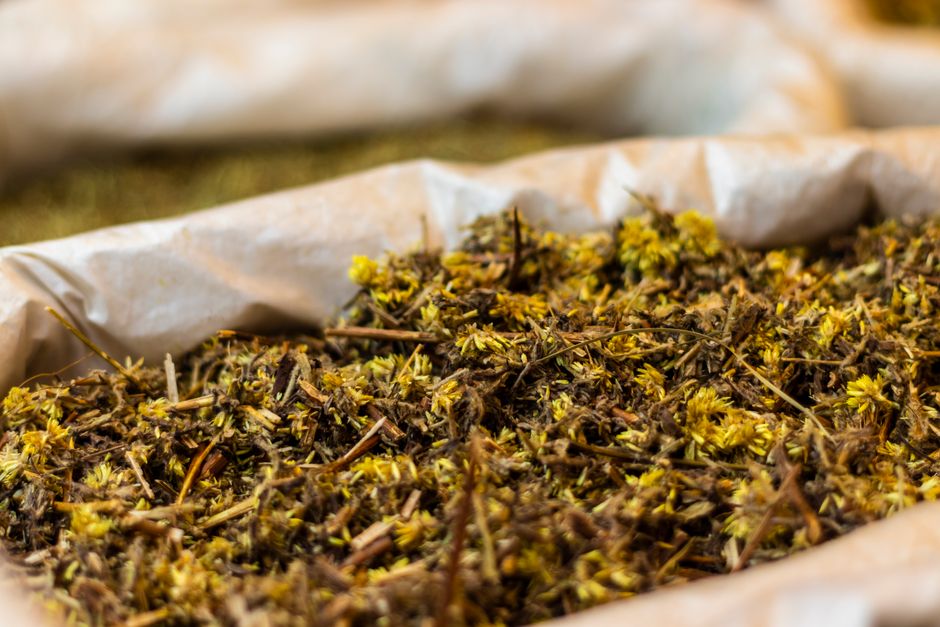
The Ghana Federation of Traditional Medicine Practitioners Associations (GHAFTRAM) has issued a serious alarm regarding the escalating threat posed by illegal mining, commonly known as galamsey, to the availability of medicinal plants and the livelihoods of traditional practitioners throughout Ghana. GHAFTRAM General Secretary, Okogyeabibiduro Nana Kwadwo Obiri, voiced deep concern, stating that the destruction and contamination of forests and water bodies facilitated by galamsey are significantly hindering the ability of practitioners to obtain essential plant resources for traditional medicine preparation. This crisis isn’t merely a logistical challenge; it’s a fundamental threat to the preservation of invaluable botanical knowledge and the health of the nation’s healthcare system.
According to GHAFTRAM’s statement, the practice directly impacts the plants’ survival. “We use plants and trees for our work and to prepare our medicines,” he explained, “But because of galamsey, we are no longer getting the roots and other plants that we need.” He further highlighted that, in recent years, the contamination of medicinal plants by mining activity is increasingly alarming, raising concerns about their safety and efficacy. “When we go there to collect some of these plants for medicine, even without putting them under a microscope, you can see that they have been contaminated. No one needs to tell you that such plants may not be safe to use,” he asserted. The situation has been exacerbated by the requirement of practitioners to travel further afield to locate suitable medicinal plants in areas still unaffected by galamsey, a significant shift from the past.
Research conducted by local experts and institutions, including a 2022 study published in the *Journal of Traditional Medicine*, demonstrates a demonstrable negative impact of galamsey on medicinal plant populations and traditional medicinal practices. This research underscores the critical role these plants play in Ghana’s healthcare system and cultural heritage. The research also revealed that galamsey has affected the geographical distribution and abundance of several key medicinal plant species, impacting the sustainability of traditional medicine practices.
Nana Kwadwo Obiri emphasized the failure of national authorities to adequately address the concerns of traditional medicine practitioners, stating that repeated efforts to raise awareness about the issue have been largely ignored. “I have made this part of my advocacy, but it looks like the authorities do not even care about what we are doing,” he said. He called for a greater inclusion of traditional medicine practitioners in national discussions and stakeholder engagements, specifically focusing on protecting Ghana’s forests and natural resources. The GHAFTRAM General Secretary stressed that protecting medicinal plants is not just about preserving traditional knowledge; it’s about safeguarding a critical component of Ghana’s healthcare system and the nation’s invaluable natural heritage. They are advocating for a coordinated approach that acknowledges the vital role these plants play and the urgent need for robust measures to mitigate the damage caused by galamsey.”
This situation poses a considerable risk to the long-term viability of traditional medicine practices and the potential for crucial medicinal plant resources to be lost. The continued encroachment of galamsey represents a significant challenge to sustainable resource management and public health.”
Watch Related Video
Source: Adom Online