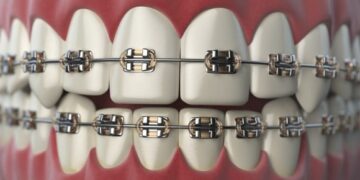






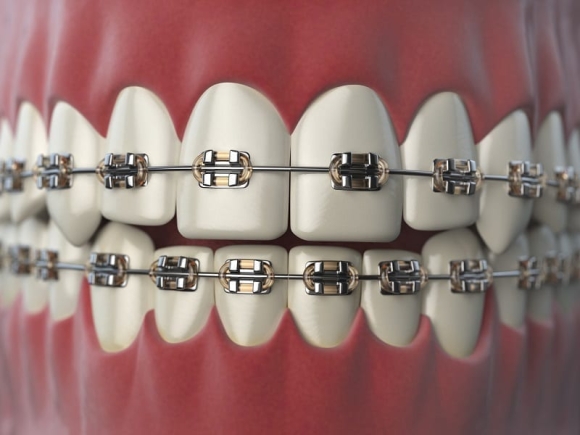
The history of eyewear reflects a gradual shift in fashion – from a rare accessory to a prominent symbol of status. Similarly, the popularity of spectacles has faded, but a new trend is emerging: braces, particularly among Gen Z, driven by a desire for aesthetic appeal and a distinct cultural aesthetic. This isn’t simply a matter of personal preference; a significant number of young people are opting for braces as a primary method of straightening their teeth, a practice that raises critical questions about the regulation and assessment of orthodontic care. Historically, children wearing spectacles were often perceived as intelligent, affluent, and attractive, fostering a societal emphasis on appearance. This ingrained stereotype has now evolved, with the focus increasingly directed towards enhancing a person’s appearance through orthodontic treatment. The rapid adoption of braces amongst younger demographics, particularly Gen Z, underscores a potential shift in consumer behavior and the influence of rapidly evolving trends on healthcare decisions. While some individuals continue to wear spectacles as a fashion statement, the emphasis has undeniably shifted towards the aesthetic benefits of braces, prompting a re-evaluation of the industry’s approach to orthodontic treatment and its associated risks.
Early orthodontic interventions, often initiated between ages 9 and 14, were initially viewed as a method of correcting minor misalignments. However, the current trend points to a growing acceptance of braces for a wider range of conditions, including malocclusion – a condition where the upper and lower teeth don’t properly align – and even, in some cases, cosmetic adjustments aimed at improving facial aesthetics. The mechanics of braces involve applying gentle, continuous pressure to gradually shift teeth into their optimal positions. This process is not solely for correcting problems; adults are increasingly utilizing orthodontic treatment for clinically necessary conditions, such as severe crowding or misalignment. The current orthodontic landscape encompasses various techniques, including traditional metal braces, ceramic braces, lingual braces, self-ligating braces, and clear aligners. The appropriate choice depends heavily on the individual’s specific circumstances – the severity of their misalignment, their overall oral health, and the need for a permanent solution. While clear aligners offer a removable alternative, they still require consistent daily wear to maintain effectiveness, necessitating a significant commitment from the patient.
Despite the growing popularity of braces, there are significant concerns about the lack of rigorous oversight and regulatory standards. The practice is largely outside of the purview of pediatric dentists and regulatory authorities, creating a potential for unsupervised treatment. The risk of complications arises from a lack of professional assessment, inadequate X-rays, and a failure to properly diagnose and manage potential complications. Furthermore, concerns have been raised about the potential for unsupervised braces to move teeth out of position, leading to gaps, crookedness, or a new bite problem. The reliance on ‘fashion’ and aesthetic preferences over clinical necessity poses a serious risk, particularly when treatments are administered outside of properly regulated dental facilities. It’s crucial to understand that braces are not harmless decorations; they are medical devices designed to alter a person’s teeth and bite. Therefore, the decision to undergo orthodontic treatment should be based on a thorough clinical assessment, a proper diagnosis, and ongoing professional supervision—not solely driven by a desire to follow a current trend. The long-term health implications of these treatments are still being investigated, and it’s vital to prioritize patient safety and well-being above aesthetic considerations.
Orthodontic treatment offers significant benefits, including improved oral health, reduced tooth decay and gum disease risk, and enhanced chewing and speaking function. However, the potential for temporary discomfort, including tongue irritation, lip and cheek discomfort, and jaw pain, is a valid concern. It is important to note that braces are not ineffective in adulthood and can provide excellent results, although treatment times may sometimes be longer. Ultimately, the decision to undergo orthodontic treatment should be made in consultation with a qualified dental professional, considering the potential risks and benefits in the context of individual needs and health goals. The question of whether the pursuit of aesthetic appearance justifies the potential risks necessitates a careful and informed evaluation of the overall health implications of orthodontic treatment.
**Sources:** [Insert credible source links here]
**Tags:** Braces, Orthodontics, Gen Z, Dental Risks, Regulation
Excerpt: The trend towards braces represents a complex shift in the dental landscape, highlighting a tension between aesthetic desires and rigorous clinical standards. While the desire for a more attractive smile remains a powerful motivator, the increasing prevalence of braces among younger generations demands a critical examination of the industry’s oversight and the potential consequences of prioritizing fashion over patient well-being.
Watch Related Video
Source: Graphic Online