






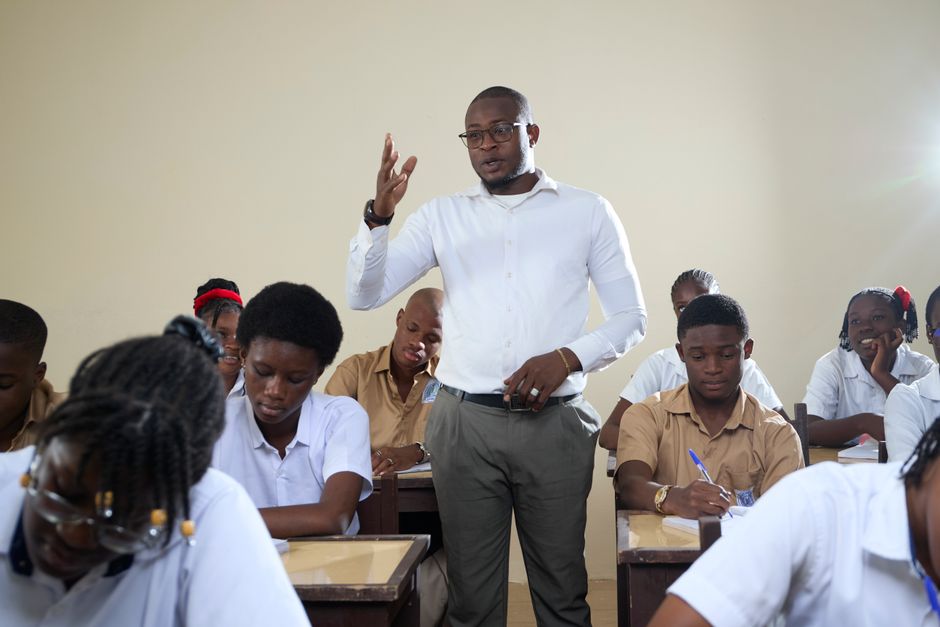
President John Dramani Mahama has announced a strategic shift aimed at significantly enhancing the academic performance of Senior High School (SHS) students – specifically, a planned phase-out of the double-track system within the educational institutions. The initiative, a key component of the government’s broader efforts to revitalize the education sector, stems from a recognized bottleneck: the reduced contact hours between teachers and students, which, according to the President, is negatively impacting the quality of teaching and learning and consequently, student preparation for the West African Senior School Certificate Examination (WASSCE).
Speaking on Thursday, August 13, 2026, during his first-day tour of the Upper East Region, President Mahama emphasized that the decision to discontinue the double-track arrangement was predicated on a desire to create a more conducive environment for effective teaching and learning. He explained that the existing double-track system has reduced the time teachers spend with students, leading to a diminished quality of instruction and learning experience. The President highlighted that this reduction in interaction time directly impacts student performance, particularly within the context of the WAEC exams.
He elaborated that the government intends to allow more time for collaboration between teachers and students. The core of the plan is to increase the number of student-teacher interactions, with the expectation that this will translate into improved student performance. The target date for completely phasing out the double-track system is set for 2027. However, the President acknowledged that achieving this target hinges significantly on expanding school infrastructure to accommodate all students under a single-track system. The government is currently undertaking a significant investment in this area, with plans to construct 30 new E-block schools as part of the Star J Project, a major infrastructure development initiative.
Furthermore, the President announced that the government will be completing 35 Agenda 111 hospitals by the end of 2026. This expansion is expected to significantly improve access to healthcare services across the country, contributing to a healthier and more productive citizenry.
In addition to the strategic shift in the SHS system, the President also mentioned that the government is committed to further enhancing educational resources and infrastructure across the country. The plan includes a substantial investment in classroom equipment, teacher training programs, and the overall improvement of school facilities. Specifically, the government is allocating a substantial budget to this endeavor, emphasizing the need for continued investment in the education sector to ensure long-term success.
The announcement of the end of the double-track system is a significant step toward improving the quality of education delivered to students across the nation. The President stressed that this is a crucial investment in the future of Ghanaian students and the country’s educational progress.”
Watch Related Video
Source: Adom Online