





The Trump administration’s recent decision to significantly curtail funding for the United States’ flagship global health program, PEPFAR, has triggered widespread disruptions across Africa and Asia, raising serious concerns about the future of HIV/AIDS prevention and treatment globally. This report examines the immediate consequences of these cuts, the long-term implications for vulnerable populations, and the potential for further destabilization of health systems, drawing upon extensive research and analysis from the Foundation for AIDS Research (amfAR).
Launched in 2003, PEPFAR, spearheaded by the George W. Bush administration, has been credited with saving millions of lives and preventing countless infections, primarily within Africa. However, the recent administration shift towards prioritizing new agreements with aid-recipient nations and a reduction in funding for global health initiatives has dramatically reduced the program’s scope. The shift began with a letter from the USAID office, instructing all operations to halt all work.
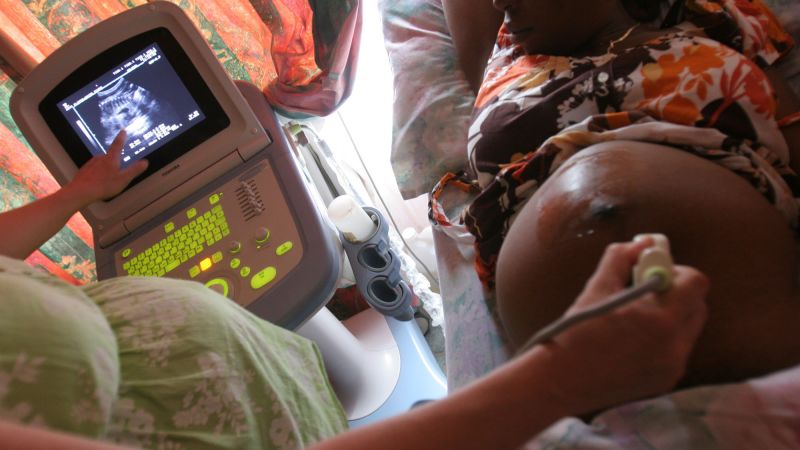
In January 2025, Dr. Masenge, a pediatric HIV specialist in Mbeya, Tanzania, witnessed the abrupt halt of her hospital’s new treatment protocols when she received the notification. “It was really, very abrupt, and I recall even the hospital managers were running up and down like, ‘What are we going to do?’” Masenge stated, highlighting the immediate shock and disruption to her work. The situation has since spread across Tanzania and neighboring countries, with health clinics closing around the world, representing a significant decline in services for children and pregnant women.
The amfAR study, conducted with Johns Hopkins University and published in July, reveals a disturbing trend: 63% of surveyed organizations that provided HIV-related services experienced disruptions to their operations, with 22% ending entirely. This represents a substantial reduction in the program’s reach, particularly in regions where the program was the primary provider of treatment and prevention.”
The impact has been particularly acute in Tanzania, where the loss of services has severely hampered the progress of children and pregnant women. The State Department spokesperson, responding to the amfAR report, stated that the methodology was “flawed,” emphasizing the need for more robust data collection and reporting, and that the administration’s actions were intended to strengthen PEPFAR through strategic direction, recipient-country ownership, and a focus on measurable health outcomes.
Early data reveals a concerning decline in pediatric diagnosis and treatment, with the number of children testing and being monitored for HIV falling by 2% at the end of 2025 compared to the same period a year before. This decline is compounded by a reduction in infant testing, with the number of children getting on medication for HIV also decreasing by 15%. The Clinton Health Access Initiative (CHIA) found that the number of children getting on medications for HIV declined by 4.8 million in 2025 compared with the year before, reflecting the challenges of supply chain issues and inadequate provider training.
Experts emphasize that the observed decline is not necessarily a reflection of resource limitations. Instead, the disruptions are likely stemming from a fundamental shift in the program’s focus. The amfAR report highlights that the wraparound services PEPFAR once provided, including community health worker support, mentorship, and culturally sensitive education, are now severely impacted. The loss of these services is creating a situation where children are losing access to crucial care, and that leads to decreased quality of care. The Elizabeth Glaser Pediatric AIDS Foundation and the KFF report, for example, have noted that the loss of these key services makes it increasingly difficult to identify and address the root causes of HIV infections, particularly among vulnerable populations.
Furthermore, the Trump administration’s decision to cut funding for global health initiatives, a substantial portion of which was dedicated to PEPFAR, has exacerbated the situation. The US government’s stated goal of shifting away from PEPFAR to focus on new agreements with aid-recipient nations has created a significant funding gap, potentially jeopardizing the long-term sustainability of critical health programs.
The situation is further complicated by the fact that the data collection and reporting practices of the program have been severely disrupted, hindering the ability to accurately assess the full extent of the damage. The recent report by the State Department, while acknowledging the shift in strategy, also suggests that earlier data points to a period of reporting and implementation challenges which limit interpretability.
Watch Related Video
Source: CNN