





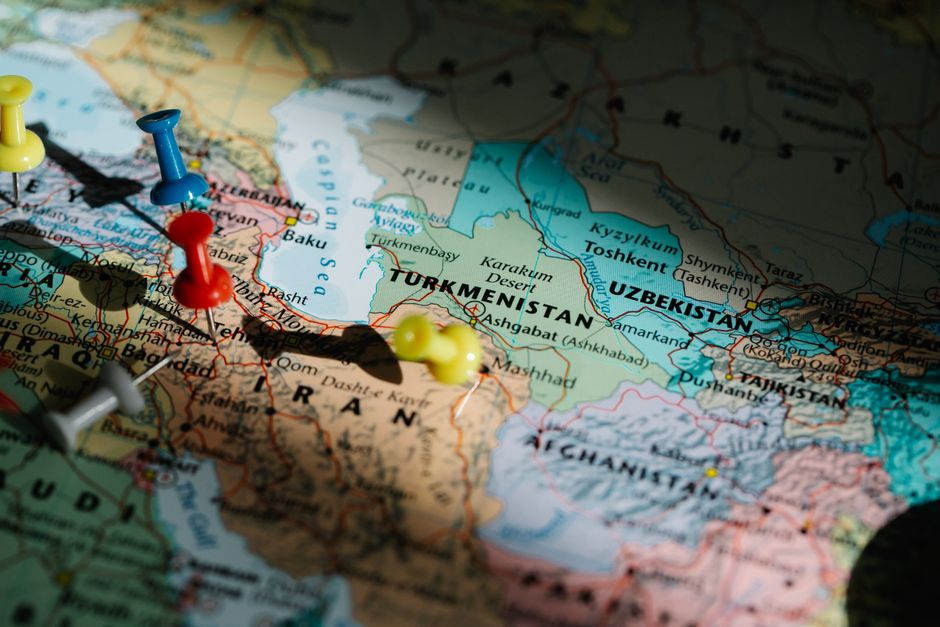
Iran’s long-standing reliance on its southern ports has been increasingly strained by the United States’ naval blockade, prompting a strategic reassessment of its trade routes. Recent UN reports reveal a concerning decline in Caspian Sea water levels, projected to further recede by 2021, posing significant challenges to Iranian commerce and bolstering the potential for a northward shift in trade. The situation is compounded by the US-Israel war, which has intensified geopolitical tensions and disrupted maritime security across the region. With no immediate resolution to the conflict, Tehran is actively exploring alternative pathways to international markets, particularly the Caspian Sea. The shift is driven by a combination of logistical difficulties, security concerns, and a desire to diversify its economic landscape, though the success of this transition remains uncertain.
Iran’s northern ports, traditionally hubs for oil and gas exports, are now grappling with reduced water levels, impacting shipping operations. The number of vessels handling cargo at these ports has decreased dramatically, with some vessels remaining stationary for weeks, a situation exacerbated by increased customs procedures and road infrastructure constraints. The government has indicated a focus on bolstering trade with Russia, primarily through the Volga River, but this strategy is vulnerable to sanctions and potential disruptions. Masoud Polmeh, secretary-general of the Shipping Association of Iran, confirmed that the northern ports’ capacity has been reduced to 4,000-tonne vessels, a stark contrast to the capacity of the southern ports, which can handle up to 6,000 tonnes, largely due to water level issues. Shahram Fadakar, Iranian Environment Minister, highlighted that water levels have dropped by over 20cm annually over the past two to three years, potentially affecting trade across the entire Caspian region.
This shift has significant implications for the broader geopolitical landscape. The US naval blockade has created a significant risk of escalation, and the potential for cyberattacks targeting critical infrastructure presents a considerable threat. Furthermore, the diversion of trade to the Caspian Sea could expose Iran to vulnerabilities linked to sanctions and increased competition with Russia, further complicating its trade relationships. While the government has stated a commitment to expanding trade with the Caspian, the logistical challenges and the lack of robust port infrastructure remain substantial hurdles. The recent surge in cargo shipments to the Caspian region, primarily for essential goods like food, demonstrates a growing prioritization of this alternative route. However, the extent of this shift and its impact on Iranian economic stability are subjects of ongoing debate and analysis.
Experts predict that the north will see an increase in imports to the Caspian, with a gradual increase in the volume of cargo, though the overall impact on Iran’s economy is still unclear. The shift is likely to be accompanied by increased reliance on Russia as a trading partner, potentially increasing geopolitical risks. The situation highlights the complex interplay of geopolitical pressures, logistical challenges, and economic considerations in a region increasingly defined by maritime tensions. The government is actively pursuing infrastructure improvements, but the long-term sustainability of the Caspian route remains to be seen.”
”
Watch Related Video
Source: Al Jazeera