





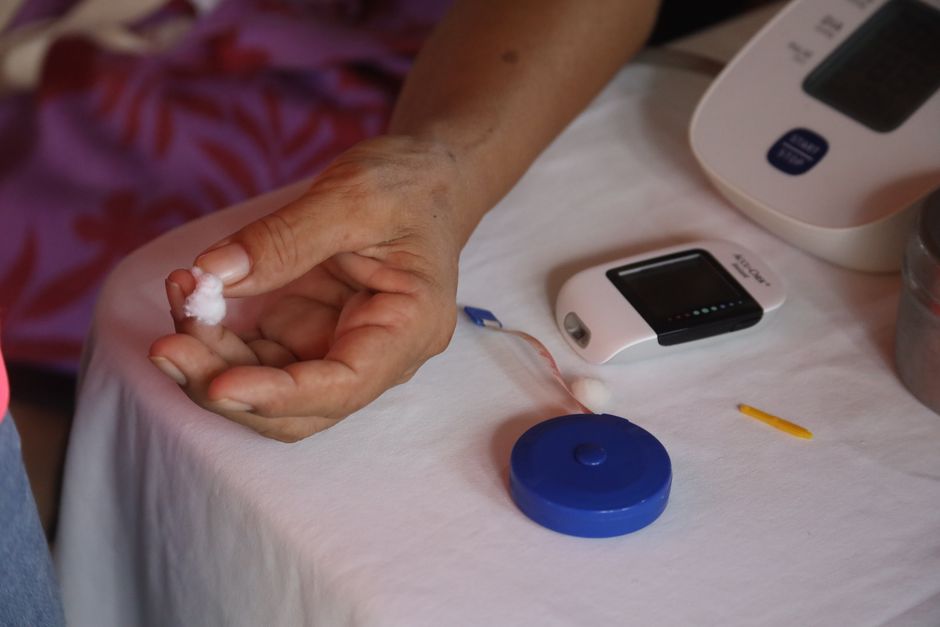
Ghana’s healthcare system currently prioritizes treatment over proactive screening for chronic diseases, a concerning trend that demands immediate attention. Kwame Sarpong Asiedu, a Fellow in Public Health at the Centre for Democratic Development (CDD) in Ghana, has voiced a critical perspective, urging a paradigm shift towards actively identifying individuals at risk for hypertension and other cardiovascular conditions – a move crucial for public health improvement and resource allocation. His comments, made during a Joy FM Super Morning Show discussion on hypertension, highlight the significant underreporting of these diseases, potentially impacting a substantial portion of the population.
According to Mr. Asiedu, a significant proportion of Ghanaians could be experiencing hypertension and cardiovascular disease without knowing their condition, a concern amplified by the lack of widespread screening programs. He emphasized that the current system largely focuses on treating existing ailments, rather than actively seeking out individuals who may exhibit no obvious symptoms. His observations stem from a deeper examination of global health trends, particularly concerning the UK’s experience with routine screening for cardiovascular disease, which begins around the age of 70. ‘We don’t screen for these diseases widely,’ he stated, ‘because we do not screen for these diseases.’
Mr. Asiedu further elaborated on the potential for undetected conditions, pointing to the prevalence of elevated cholesterol levels amongst many individuals in Ghana. He illustrated this by mentioning that many people are walking around with elevated cholesterol levels without realizing it, and that this lack of awareness contributes to the problem.
He attributed this lack of proactive screening to a historical reliance on treating illness rather than identifying individuals at risk. The healthcare system in Ghana historically relied heavily on patients seeking medical attention after experiencing symptoms, creating a situation where individuals remain undiagnosed.
‘We have never had a system in place that screens,’ he asserted, emphasizing the need for a shift in focus. He advocated for a culture of proactive screening, urging healthcare providers to actively seek out individuals who appear healthy but may harbor an underlying condition. ‘That is how we would reverse this,’ he said, stressing the importance of early detection.
He linked this issue to the potential for men to experience erectile dysfunction, suggesting that some men might experience erectile problems as a consequence of an underlying health condition but fail to investigate the cause. He highlighted the challenges of asymptomatic diseases, emphasizing that many individuals don’t know they are undiagnosed, which can be dangerous. He also noted the potential for pharmaceutical substances to be present in products marketed as aphrodisiacs, which may contain substances without consumer knowledge.
Mr. Asiedu stressed the importance of addressing this issue, arguing that the current system’s emphasis on reactive treatment is inadequate. He suggested a move towards identifying individuals who appear healthy but may already have an underlying condition, which can be particularly dangerous for those with pre-existing cardiovascular issues. ‘That in itself can give you a cardiovascular attack,’ he added, emphasizing the need for early detection and proactive assessment.
His call for increased screening represents a vital step towards improving public health outcomes in Ghana. The CDD’s expert insights underscore the need to re-evaluate current healthcare strategies and prioritize proactive risk assessment, ultimately aiming for a system that actively addresses potential health issues before they escalate.
This issue has also been linked to the potential for men to experience erectile dysfunction as a consequence of an underlying health condition, highlighting the need for further investigation and awareness.
Further research and implementation of these proactive screening strategies are crucial to safeguard public health in Ghana.”
Watch Related Video
Source: Adom Online