





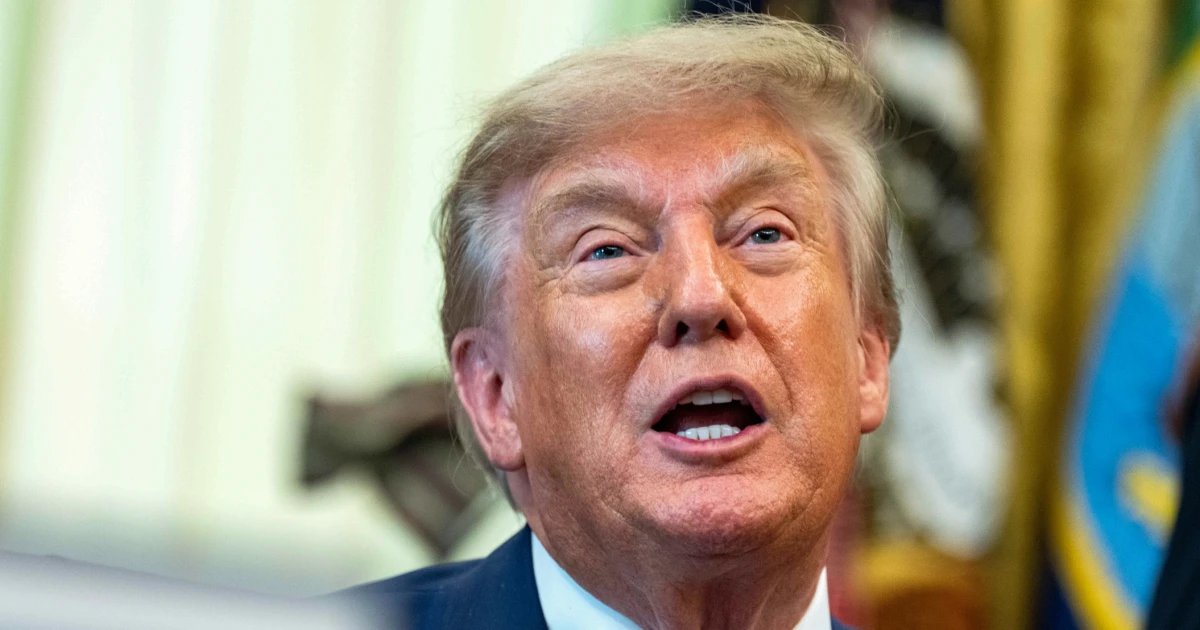
In a move that has sent shockwaves across global markets and ignited intense political debate, the United States government has officially entered into a definitive agreement with Venezuela to assume control of its substantial 65 billion barrel oil reserves. This unprecedented deal, announced by President Donald Trump on Friday, marks a dramatic reversal of years of strained relations and raises significant questions about U.S. influence in the South American nation. The announcement, delivered via Truth Social, details a strategic partnership between the U.S. military, the Secretary of State’s office, and private entities, outlining a framework for majority control of the nation’s oil assets. The agreement, Trump asserted, “doubles American Oil Reserves,” a statement that has been met with considerable skepticism and concern within the international community.
The details of the agreement remain somewhat opaque, but preliminary reports suggest that the U.S. will be leveraging its considerable geopolitical influence and military capabilities to secure control of the vast oil resources. The initial context leading to this monumental shift is rooted in a protracted and increasingly hostile relationship between the U.S. and Venezuela, stemming from a clash over the legitimacy of President Nicolás Maduro’s rule. The United States military launched a covert operation in January 2023, dubbed ‘Operation Hummingbird,’ to capture Maduro, alleging that he was involved in drug trafficking and narcoterrorism, triggering a significant escalation of tensions.
Following the initial military intervention, the U.S. has maintained a significant military presence in Venezuela, including the deployment of U.S. troops to secure key infrastructure and monitor events. This military involvement has been criticized by many as an infringement on Venezuela’s sovereignty and a destabilizing factor in the region. The economic fallout from this deal, particularly the spike in global oil prices due to the war with Iran, has further intensified the diplomatic pressure on both the U.S. and Venezuela. The Iranian-U.S. conflict, which began on February 28th, has resulted in a significant increase in the volume of oil flowing through the Strait of Hormuz, impacting global energy markets.
Trump, in his statement, framed the agreement as a strategic maneuver to bolster American energy independence and bolster the nation’s geopolitical standing. He repeatedly emphasized the “BIGGEST OIL DEAL IN WORLD HISTORY” and asserted that the U.S. would be reaping significant economic benefits. However, analysts and political commentators alike are voicing concerns about the implications of this move, particularly regarding potential disruptions to Venezuela’s economy and the long-term stability of the South American nation. The full scope of the agreement, its potential impact on Venezuela’s governance, and the long-term consequences for the global oil market remain subjects of intense scrutiny and debate. The legal ramifications of this agreement are also being closely examined, as the U.S. government is navigating a complex web of international law and treaties.
Experts suggest this move could significantly alter the balance of power in Latin America, potentially diminishing the influence of Venezuela and other South American nations as a result of the increased U.S. control of vital resources. The long-term strategic implications of this agreement, and its impact on international relations, are likely to be felt for years to come.
Watch Related Video
Source: NBC News