






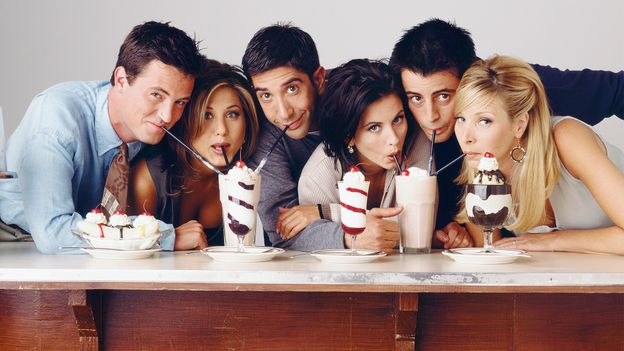
The enduring appeal of ‘Friends’ speaks to a generation – the twenty-somethings of the 1990s and early 2000s – and their impact continues to resonate. Now, a new wave of sitcoms is attempting to replicate this iconic formula, but facing a significant hurdle: Gen Z. Unlike ‘Friends,’ which established a recognizable cultural lexicon – hairstyles, fashion, catchphrases – these attempts often struggle to capture the nuanced complexities of a generation grappling with a rapidly evolving digital landscape.
Launched in 1994, ‘Friends’ became the most popular portrait of Gen X, a demographic defined by its messy personal lives and the anxieties of a post-industrial economy. The show’s average live viewer ratings never dipped below 20 million, a testament to its cultural penetration. The finale alone, drawing nearly 52.5 million viewers, remains the most-watched television episode of the 2000s. This enduring success has cemented ‘Friends’ as a foundational element of pop culture.
However, the core of the issue isn’t just nostalgia. The show’s influence extends beyond its initial viewership. It birthed a set of cultural trends – the Rachel haircut, slip dresses – and established memorable catchphrases. Today, ‘Friends’ still ranks 16th on a list of Gen Z’s favorite shows, alongside hits like K-Pop Demon Hunters and The Summer I Turned Pretty. This suggests a lasting cultural imprint, albeit one that’s proving difficult to replicate.
But why is it so challenging for sitcoms to emulate ‘Friends’? The landscape has changed dramatically. The rise of YouTube and social media has drastically altered how Gen Z consumes entertainment. A significant factor is the lack of multiple screen distractions – a crucial element of the ‘Friends’ experience. The second season of FX’s ‘Adults’ – featuring a group of graduates in Manhattan – and HBO’s ‘I Love LA’ – showcasing a similar dynamic – demonstrates the immense potential of a show’s visual appeal.
Furthermore, the distance between creators and their audience is a persistent challenge. ‘Friends’ had a generation above its characters, but depicting today’s faster-moving youth culture is undeniably more challenging. The Gen Z sitcom landscape is currently grappling with the issue of generational distance – Gen Z is experiencing the highest unemployment rate of any demographic, a consequence of AI-driven workforce shifts.
Several shows attempt to do this, but none have achieved the same level of success. ‘The Sex Lives of College Girls’ – with its attempts at Gen Z vernacular – felt forced and lacked a genuine connection, while ‘Not Suitable For Work’ – with its juvenile slang – felt contrived. ‘I Love LA’ – while featuring a diverse cast, feels too focused on the superficial – its portrayal of Gen Z’s digital identity feels somewhat shallow.
Even the core concept of a ‘friends’ group – a core group of people – has become a complex undertaking.
So, five key reasons why replicating ‘Friends’ seems impossible for Gen Z sitcoms:
1. **The Content Pool:** Gen Z consumes a vast amount of content on platforms like YouTube and social media. The internet’s endless scrollability creates a competitive environment. 2. **Algorithmic Manipulation:** Algorithms are increasingly prioritizing dopamine-hitting content, potentially diminishing the value of nuanced character development.
3. **Lack of Visual Connection:** The absence of multiple screen distractions – a key element of ‘Friends’ – creates a disconnect for viewers.
4. **Generational Distance:** The gap between creators and their audience – millennials and older – is a significant hurdle.
5. **The Digital Dilemma:** The show’s focus on the complexities of Gen Z’s dating lives, particularly the challenges of navigating the digital landscape, presents a challenge to accurately reflect this generation’s experiences.
Despite these challenges, there’s a glimmer of hope. ‘Adults’ – with its diverse cast and relatable characters – offers a surprisingly effective Gen Z sitcom, proving that the core elements of ‘Friends’ – friendship, humor, and a touch of awkwardness – still resonate.
‘The Essential List’ has found a great story about this, highlighting the challenges and triumphs of capturing Gen Z’s culture. The show’s refreshingly honest engagement with Gen Z’s anxieties about housing and the digital world provides a compelling, if imperfect, attempt to emulate the legacy of ‘Friends.’
Would you like to explore this topic further? Sign up for our newsletter to stay updated on the latest cultural news and trends.
Watch Related Video
Source: BBC News