






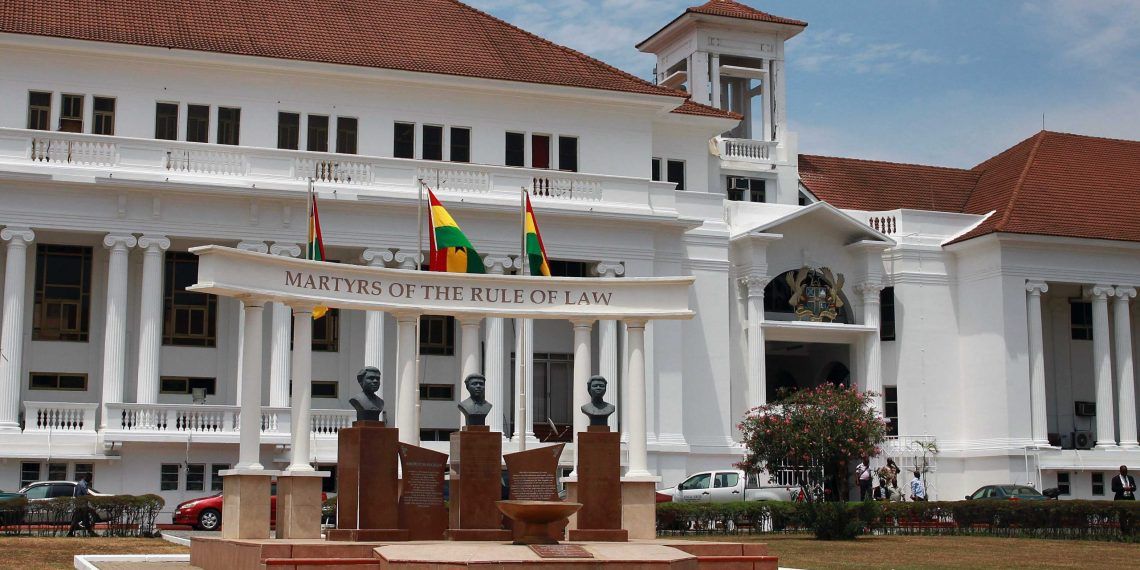
The Supreme Court of Ghana has issued a crucial ruling that will determine the future of the ambitious Sky Train project, a significant undertaking designed to revolutionize intra-national transportation across the nation. The ruling, finalized on Monday, August 31st, sets a Monday date for the court to issue its decision on a contentious injunction application – a critical legal challenge against the project’s implementation. The application, brought forth by several environmental groups and concerned citizens, alleges that the initial construction and planned operational routes pose unacceptable risks to the delicate ecosystem of the Volta River basin. The core of the dispute centers around the potential impact of elevated railway tracks on the biodiversity of the region, specifically the migratory patterns of the endangered Grey Heron and the delicate mangrove forests that provide vital coastal protection. The trial, initiated in June, has been a protracted battle, with legal teams from both the government and the environmental groups engaging in intense negotiations and public hearings. The Supreme Court’s decision is expected to have profound implications for the project’s trajectory, potentially triggering a significant shift in the regulatory landscape and influencing future transportation infrastructure investments in Ghana. The government, led by Minister for Infrastructure, Samuel Kwasi Agyasikan, maintains that the Sky Train represents a vital economic catalyst, fostering connectivity and boosting Ghana’s trade sector. They argue that the potential environmental risks are manageable and that the project will ultimately deliver substantial economic benefits, including job creation and increased regional economic activity. However, the environmental groups counter that the initial environmental assessments were inadequate and that the project’s scale necessitates a more cautious approach. The legal battle has highlighted a fundamental tension between economic development and environmental preservation – a challenge that the Supreme Court will ultimately need to address.
Specifically, the injunction application hinges on the Court’s interpretation of the Environmental Impact Assessment (EIA) conducted during the initial phase of the project’s development. The groups contend that the EIA failed to fully account for the long-term ecological consequences of the elevated railway, particularly the potential disruption to vital wildlife corridors and the increased risk of soil erosion. A detailed report released by the Ghana National Environmental Management Authority (GNEMA) in early July highlighted several areas of concern, including the potential for habitat fragmentation and the impact on migratory bird populations. The report also identified a significant risk of water contamination due to increased runoff from the railway’s construction and operation. In response to these findings, the environmental groups have filed a motion seeking a court-ordered review of the EIA, arguing that it lacked sufficient consideration of potential long-term ecological impacts. The Supreme Court’s ruling will undoubtedly be scrutinized by legal experts and environmental advocates alike, and the outcome of this case is likely to significantly shape the future of the Sky Train project and the broader debate surrounding sustainable transportation planning in Ghana.
The legal team representing the government insists that mitigation measures have been incorporated into the project design, including the implementation of noise barriers and the creation of wildlife corridors to offset the impact on sensitive areas. They point to the extensive consultation process undertaken with local communities and environmental organizations as evidence of their commitment to responsible development. However, the environmental groups remain skeptical, arguing that these measures are insufficient to adequately address the long-term risks. The Court’s decision is also expected to influence national policy on environmental protection and infrastructure planning, potentially leading to stricter regulations and increased transparency in environmental impact assessments.
Initial estimates suggest that the trial will be a lengthy process, potentially lasting several weeks. The Court will then deliver its ruling, which will fundamentally alter the project’s operational timeline and potentially necessitate significant adjustments to the design and construction plans. The future of the Sky Train, and its impact on Ghana’s transportation infrastructure, hangs in the balance, with the Supreme Court’s decision poised to be a pivotal moment in the nation’s environmental and economic trajectory. The government has emphasized the importance of maintaining momentum on the project, stressing its role in bolstering Ghana’s economic growth and connectivity. The environmental groups, however, maintain that the long-term costs of inaction outweigh the short-term economic benefits, advocating for a more cautious and sustainable approach to infrastructure development. The legal implications of the ruling extend far beyond the specific case of the Sky Train, serving as a case study in the complex interplay between economic development and environmental stewardship within a rapidly growing nation.”
Further analysis will be conducted following the Court’s ruling, examining its potential impact on future transportation projects and the broader debate surrounding sustainable development in Ghana.”
Watch Related Video
Source: TV3