






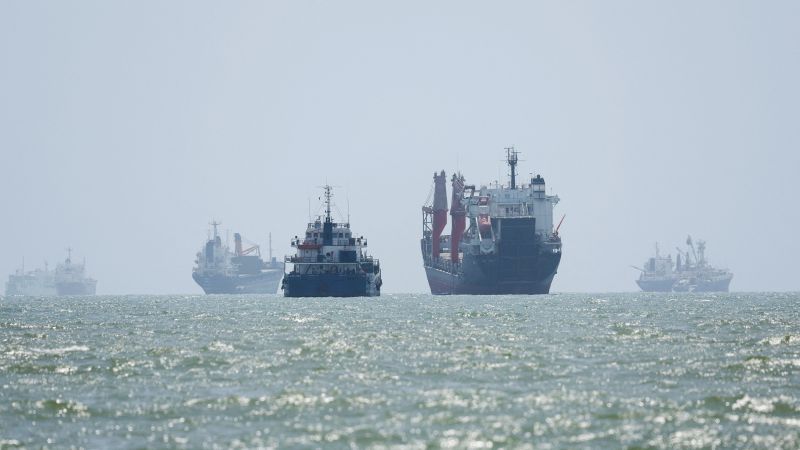
The Strait of Hormuz, a vital artery for global trade, is facing a significant challenge: the potential closure of a UN-authorized shipping channel following a joint proposal between Iran and Oman. This development has intensified tensions amidst growing US pressure on Iran, targeting aviation, shipping, technology, gold, and digital assets, including cryptocurrency. The US Treasury Department has initiated a new campaign to tighten sanctions against Iran, focusing on these sectors, despite concerns about ordinary Iranians being affected.
Furthermore, the US is threatening damaging new sanctions on countries that refuse to comply with economic ties with Iran, although it has halted such large-scale penalties. China has responded by asserting its cooperation with Iran, emphasizing the importance of maintaining stability and freedom of navigation in the waterway. Iran claims it is fully prepared to counter the sanctions, with Tehran’s Deputy Foreign Minister Kazem Gharibabadi stating the proposed deal would involve the closure of the southern route, a UN-authorized shipping channel following the coast of Oman, and that Iran vehemently opposes it.
After weeks of intense discussions, Tehran and Muscat presented a proposal Tuesday outlining a temporary shipping channel through the strait, along with the ‘clear mines’ initiative. The Omani Foreign Minister Badr bin Hamad Al Busaidi visited Iran and held consultations with Iranian Foreign Minister Abbas Araghchi, with the Omani foreign minister stating he was ‘hopeful’ both nations would ‘soon announce a temporary corridor’ for the strait. The proposed deal reflects a phased framework for a joint project facilitating a ‘temporary shipping corridor’ and the establishment of ‘future management of the Strait and a permanent solution’. Officials are continuing talks with the aim of reaching agreement on a permanent shipping corridor and the future administration of the Strait, with regional partners discussing peace and cooperation, stability, and freedom of navigation.
US President Donald Trump reiterated that all mines in the Strait of Hormuz have been removed or detonated, and he threatened to destroy any boats attempting to place more. Meanwhile, Washington has been working to undermine Tehran’s claims of control of the strait, issuing warnings to shipping firms on Monday, stating that they could face sanctions or penalties even if they comply with information requests from Iranian agencies regarding transit. Iran and Oman outlined a proposal Tuesday to jointly establish a temporary shipping channel through the Strait of Hormuz, according to regional officials, after weeks of fraught discussions between the two countries. Tehran and Muscat discussed a ‘phased framework’ for a joint project facilitating a ‘temporary shipping corridor’ and to ‘clear mines’, a press statement from the Iranian and Omani foreign ministries said.
Over the past few weeks, Tehran and Muscat have held negotiations to stabilize shipping in the waterway, which has emerged as a key bargaining chip in stalled discussions between Iran and the US, following months of regional violence. A sweeping new US sanctions campaign targeting Iran and its economic partners is drawing criticism from China and defiance from Tehran, with senior Iranian officials vowing Washington’s economic pressure will fail. Iranian Parliament Speaker Mohammad Bagher Ghalibaf claimed Tuesday that after suffering defeat ‘in the military and political war,’ the United States ‘will also be defeated in its economic actions,’ according to Iran’s semi-official Tasnim News Agency.
Watch Related Video
Source: CNN