





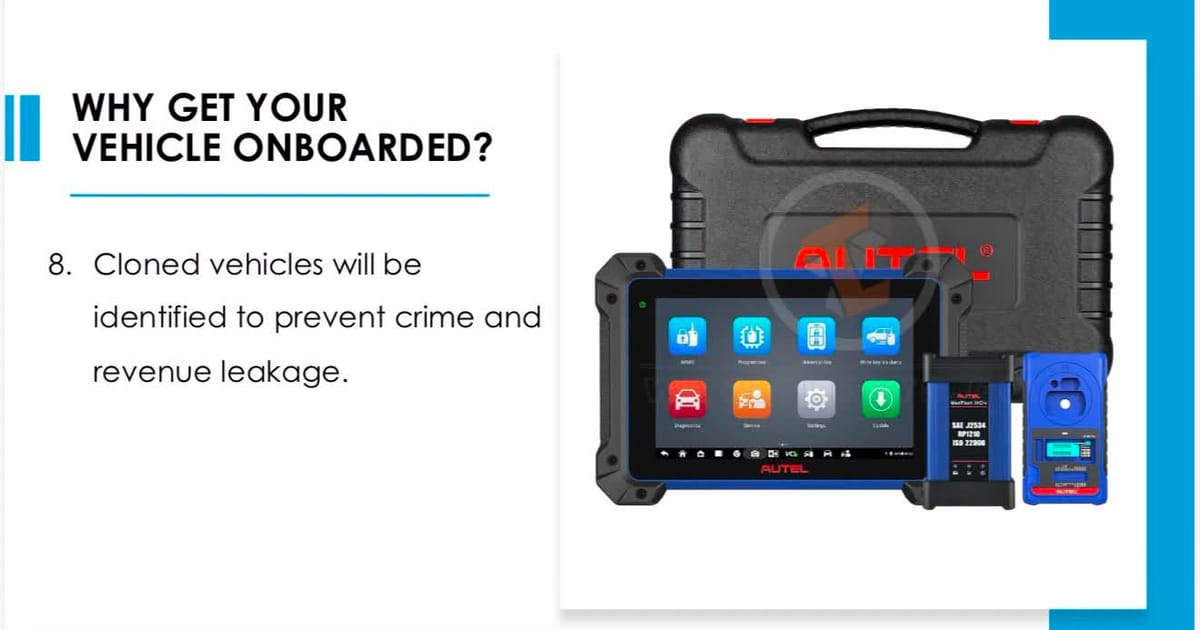
The Department of Vehicles Directorate (DVLA), the primary regulatory body responsible for overseeing vehicle registration, licensing, and taxation in Ghana, has announced a major expansion of its surveillance capabilities following the deployment of cutting-edge scanner technology. This move is being hailed by authorities as a vital step in strengthening enforcement and deterring activities associated with illegal vehicle importation and trafficking.
For several months, the DVLA has been actively utilizing a network of sophisticated scanners – equipped with advanced imaging and data analysis capabilities – to monitor vehicle identification numbers (VINs) across a considerable number of vehicles. This proactive approach is designed to identify vehicles that are operating outside the legally mandated framework, potentially engaging in smuggling and other illicit activities.
The initial rollout of this technology has focused on regions identified as hotspots for illegal vehicle operations, but the DVLA’s strategy now encompasses a wider geographic scope, encompassing a significant number of registered vehicles across the country. The scanners are capable of identifying a broad range of vehicle types, including those operating with unregistered or modified VINs, significantly increasing the likelihood of detection.
The deployment of these scanners has been met with considerable scrutiny from industry stakeholders and legal experts. While the DVLA maintains that the technology is designed to enhance enforcement and combat illegal activities, concerns have been raised about potential privacy implications and the potential for misuse. The agency has assured the public that stringent protocols are in place to ensure data security and transparency.
According to a recent report released by the DVLA, the initial phase of the deployment has resulted in the seizure of over 130 vehicles – representing a significant increase compared to previous surveillance efforts. The DVLA estimates that these seized vehicles are currently operating under illegal import status, potentially totaling millions of dollars in evaded taxes and duties. This figure represents a substantial increase in the agency’s revenue-generating capacity.
The technology’s effectiveness is being closely monitored, and the DVLA is actively analyzing the data collected to refine its strategies and optimize its surveillance capabilities. A key element of the plan is to integrate the scanner data with existing databases and investigative tools to identify patterns and connections within the vehicle ownership network.
Furthermore, the DVLA has emphasized the importance of collaboration with law enforcement agencies across the country to ensure a coordinated and comprehensive approach to combating illegal vehicle trade. They are working with the National Police Force and other relevant agencies to establish a robust information-sharing network.
The implications of this intensified surveillance program extend beyond simply seizing vehicles. The DVLA plans to utilize the data gathered to identify and prosecute individuals involved in the illegal importation and trafficking of vehicles, further contributing to a reduction in criminal activity within Ghana. The agency has stated that it is committed to utilizing technology responsibly and ethically, prioritizing public safety and upholding the rule of law.
One of the most pressing questions remains regarding the long-term impact of this technology on the automotive industry. While the DVLA emphasizes its commitment to transparency, concerns are being raised about the potential for increased scrutiny on legitimate vehicle owners and the impact on business operations. The agency is working with stakeholders to address these concerns and ensure a smooth transition to the new surveillance framework.
The DVLA is expected to release a detailed report outlining the scope and methodology of the scanner deployment in the coming weeks, providing further insight into the agency’s strategic priorities. The full details of the data analysis and enforcement strategy will be crucial in determining the long-term effectiveness of this significant investment in vehicle regulation.”
**Tags:** DVLA, Surveillance, Vehicles, Illegal Trade, Ghana, Customs, Enforcement, Digitization
**Excerpt:** The DVLA’s aggressive deployment of advanced scanner technology represents a critical shift in the fight against illegal vehicle trafficking and evasion within Ghana. The seizure of over 130 vehicles following the initial deployment of these scanners signifies a significant escalation in the agency’s efforts to combat this pervasive issue, with the potential to generate substantial revenue for the state. While proponents argue it strengthens enforcement, concerns remain about the potential for privacy violations and the misuse of the technology, necessitating a careful and transparent approach to implementation.
Watch Related Video
Source: TV3