





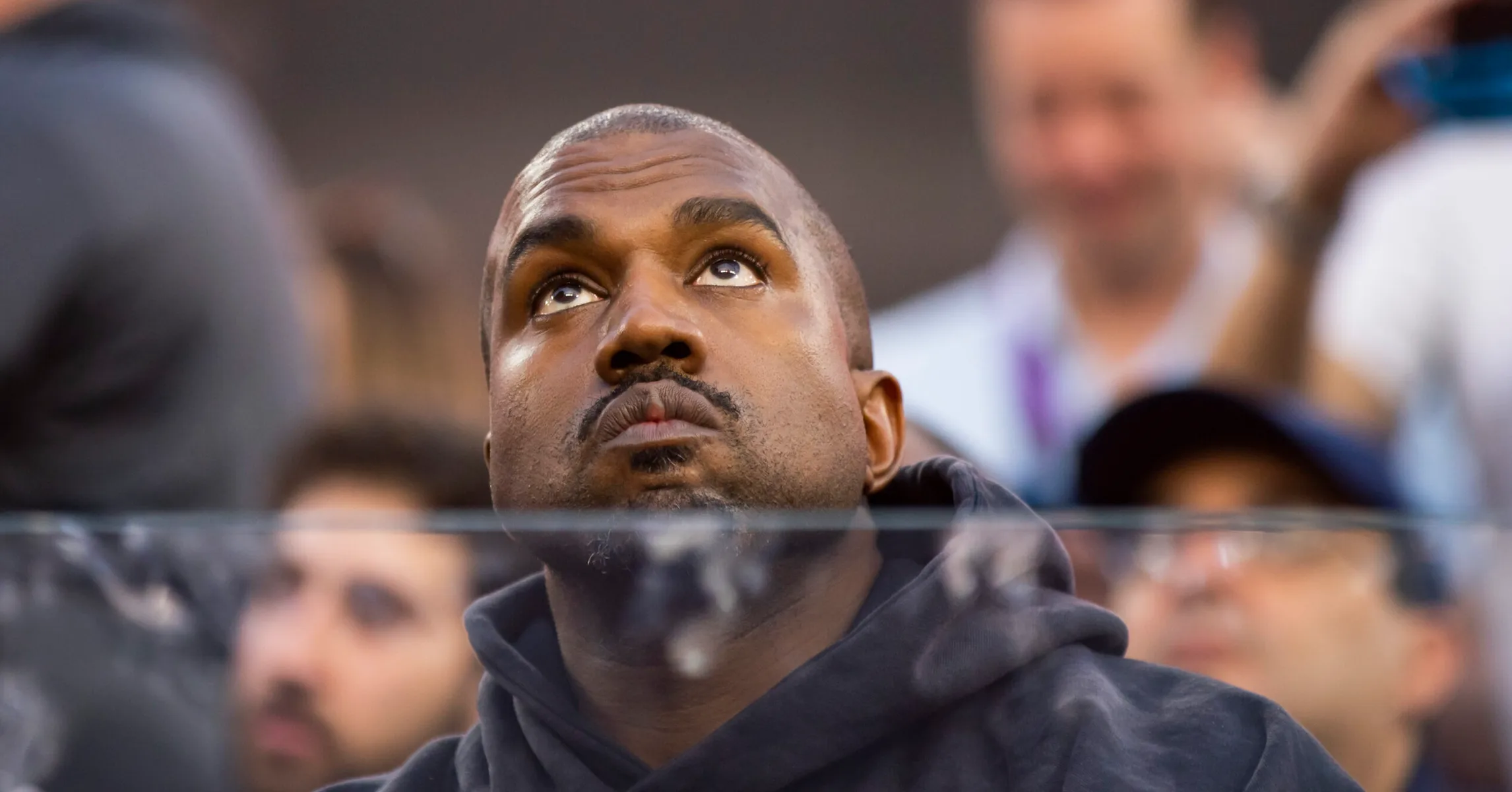
The situation surrounding Kanye West’s planned performances in Saint Petersburg, Russia, has taken a dramatic turn, with the venue, Gazprom Arena, issuing a formal announcement effectively canceling the events. Initial reports suggest the shows were generating considerable controversy, fueled by growing concerns about the potential repercussions of West’s association with Russia, particularly in light of the ongoing war with Ukraine. The Kremlin has recently issued a statement asserting that the events are not happening, citing a lack of contractual agreements with the arena. Specifically, Gazprom Arena, a venue capable of accommodating 80,000 attendees, has stated that they ‘did not sign any contracts for the stadium rent for the event.’
The situation escalated when Say Agency, the promoter for West’s concerts, released a statement acknowledging the arena’s notification. The agency claims that the events are not canceled; instead, they are attempting to negotiate contracts with the venue to facilitate a return to planned performances. According to the statement, ‘We learned about this at the same time as you did, through the media,’ and that the Ye concert has not been canceled. Say Agency has indicated they are attempting to ‘contact the venue to find out the reason for the post and resolve the issue.’ They are currently attempting to establish a contractual arrangement to allow West to continue his planned concerts. The Kremlin’s official position, however, remains firmly opposed to any further events, stating that they are ‘not authorized to allow the concerts to proceed.’
This incident is not uncommon for Kanye West, who has faced numerous challenges and restrictions due to his controversial public persona and associations with various political figures. His recent ban in the UK, stemming from his comments surrounding the war in Ukraine, demonstrated the difficulties in accommodating his performances in international markets. The arena’s announcement has heightened anxieties among artists and promoters, raising questions about the future of West’s touring schedule. Several industry analysts have expressed concern that the situation could further complicate West’s ability to perform in Russia and elsewhere, potentially impacting his revenue and brand reputation. The long-term consequences of this conflict remain to be seen, but this announcement represents a significant escalation in the already complex geopolitical landscape. The Kremlin has further emphasized the importance of maintaining stability and preventing any disruption to the Russian economy, stating that the event’s cancellation is a necessary step to safeguard national interests. The situation is being closely monitored by international observers and media outlets, with experts suggesting this could be a pivotal moment in the relationship between Russia and Western countries.
Further details regarding the negotiations and the potential ramifications of this cancellation are expected to emerge in the coming days. The arena’s decision, coupled with the Kremlin’s stance, underscores the heightened sensitivity surrounding West’s activities and the ongoing geopolitical tensions surrounding his global presence.”
This event represents a significant challenge for the Russian entertainment industry, potentially impacting both artistic expression and economic stability. The Kremlin’s actions highlight the difficulties in balancing artistic freedom with national security concerns, a delicate equation that continues to be a central focus of international discussion. The report details the potential legal ramifications for both the Kremlin and the promoter, adding another layer to the complexities of this situation. The events highlight the ongoing impact of Western sanctions and political tensions on the Russian creative scene, underlining the vulnerability of artists and cultural institutions to geopolitical pressures. The article also discusses the potential impact on the Russian economy, as the arts sector is a significant contributor to the national GDP. The current situation necessitates careful monitoring of the evolving dynamics between Russia and its allies, and the impact on international collaborations in the cultural sector. The report further notes the significance of the event for the Russian media landscape, as it represents a direct challenge to the Kremlin’s control over information dissemination.
“Source: HotNewHipHop”
Watch Related Video
Source: HotNewHipHop