





The Iranian government has announced a substantial increase in fuel prices, a move intended to bolster the country’s struggling economy amidst escalating pressures from the United States and the ongoing war in Yemen. This announcement comes on the heels of the US’s continued siege of Iranian seaports and the significant economic impact of the conflict, which has already triggered a protracted period of instability.
The Iranian government is grappling with a significant deficit in its gross domestic product (GDP), projecting a contraction of 5.4 percent in 2026, a figure that underscores the severity of the economic challenges facing the nation. This situation is compounded by the ongoing US-Israel war, which has exacerbated existing economic woes and created a volatile geopolitical environment.
As a direct consequence of these factors, the government has implemented a policy of heavily subsidizing fuel to its 93 million population. However, this measure is proving increasingly difficult to sustain given the country’s deep-seated economic vulnerabilities. The offer of subsidized fuel, traditionally a cornerstone of the Iranian economy, is now a significant burden, and the government is actively seeking ways to mitigate the financial strain.
The decision to raise fuel prices was preceded by a surge in unrest in 2019, with nationwide demonstrations taking place in 2019, and this sparked further protests in July 2026 following a near-total shutdown of internet services.
With the recent threat of a potential US targeted economic strike, the Iranian government has been carefully assessing its strategy, with a final decision expected over the coming weeks. President Masoud Pezeshkian stated that the price of petrol is considerably lower than in most countries in the world, noting that the government pays 1.3 million rials (65 US cents at the current rate) per litre of petrol produced by refineries. The lowest price tier offered to the population is 15,000 rials (less than 1 cent) per litre (0.26 gallons).
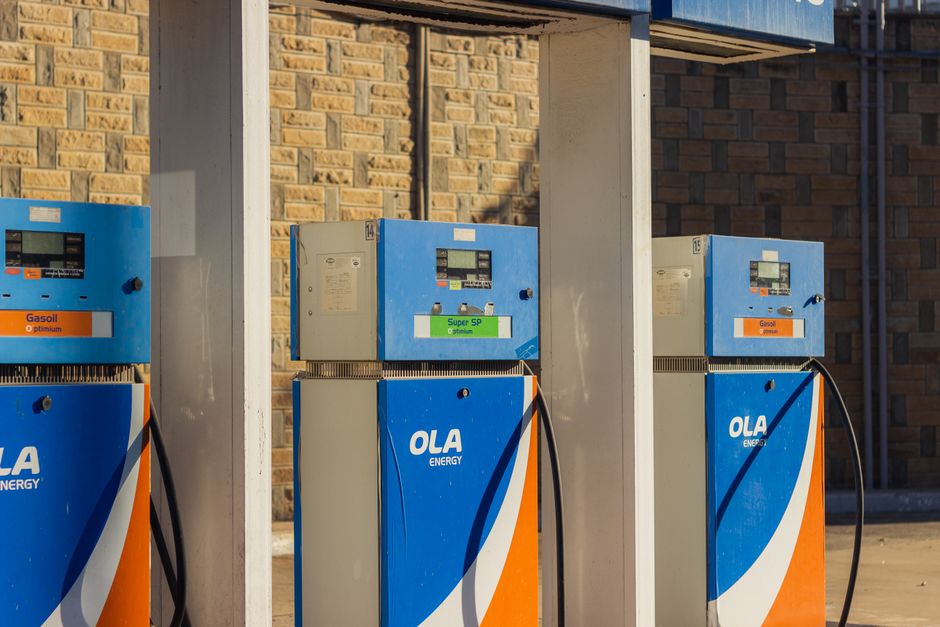
Furthermore, the government has acknowledged that Iranians with imported, free-zone, or newly registered vehicles are liable for the highest-price tier. However, there are limits to the amount of subsidized fuel Iranians can purchase, with each category having its own monthly quota, and sales are only allowed with a fuel card. Pump stations have their own cards that offer some extra fuel at the highest-price category, but with a single-use limit of 25 litres in Tehran.
The government has also cut the quota for the second category from 100 to 70 litres, after two weeks of fighting between Iran and the US erupted again in July over the Strait of Hormuz, this allowance was cut again to 50 litres. Iranians now consume roughly 135 million litres per day of fuel, with authorities saying earlier this month that production was at about 121 million litres per day.
To compensate for these financial losses, the government has attempted to increase refinery production, used petrochemical products, and reduced the quality of fuel by diluting it. Fuel imports have also stopped due to the war.
The government’s head of energy optimisation, Esmail Saghab-Esfahani, explained that there are three options – each with their own complexities. One option, he explained, is a first-come, first-served mechanism whereby prices would remain unchanged, but pump stations would simply shut down after running out of their allocated petrol. Another is to offer all Iranians – including those without a vehicle – roughly 30 litres of fuel per month at the lowest price tier. Those who don’t drive could sell their monthly quota if they choose. The third option is to liberalise the price of fuel for all, with the government reportedly considering a price of 872,000 rials (about 44 cents) per litre. But the consequence of this would be to create another huge inflationary bubble, with the massive increase in transport and logistics costs for businesses being passed on to consumers.
Local authorities, reportedly in conjunction with the government, announced the new prices would be enforced in 204 pump stations across the province overnight into August 13. But the government cancelled the pilot scheme at the last minute, and contradicted local officials by saying they were not consulted on the move.
Nevertheless, the government has signalled that a considerable price increase is in the works.
Source: Al Jazeera