





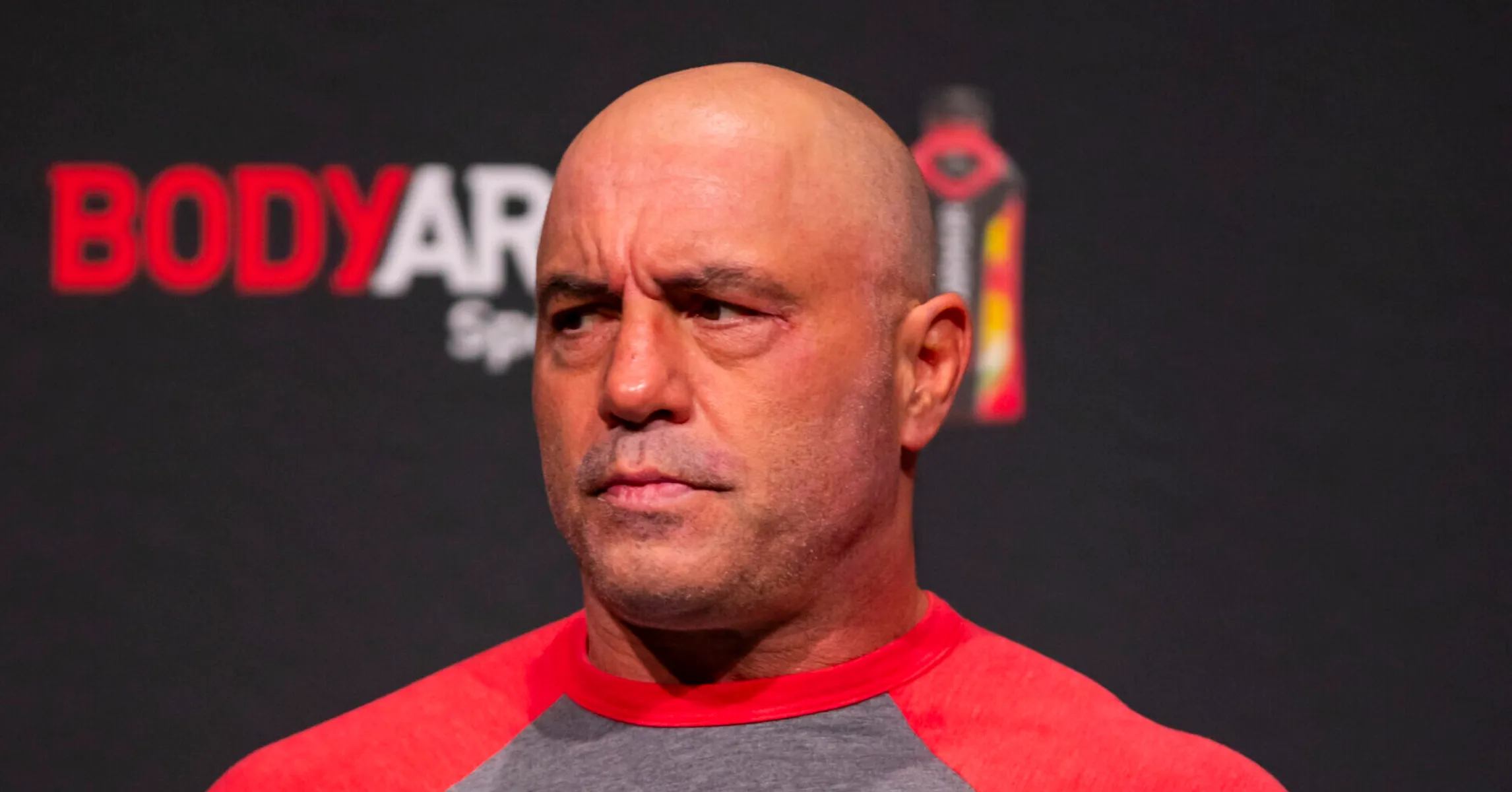
During an episode of Joe Rogan’s ‘The Joe Rogan Experience,’ Ari Shaffir, and Mark Normand, the podcast host presented a provocative theory regarding the recent decline in Hip Hop’s commercial success. Rogan asserted a connection between cuts to American foreign aid and the diminished performance of Rap’s music on Billboard charts. Specifically, he suggested that the Trump administration’s dismantling of USAID, a significant agency responsible for international development assistance, was a key factor. According to Rogan, the agency had funded ‘radical, anti-government rappers overseas’ as part of a strategy to promote political change. This statement, delivered amidst a period of chart shifts where country music was experiencing a surge in popularity and Hip Hop’s commercial presence had diminished, was presented as a potential explanation for the trend. Rogan highlighted that the agency’s reduced funding under President Donald Trump, culminating in the cancellation of more than 80 percent of its programs in March 2025, had a direct impact on foreign-assistance initiatives across the globe. However, the podcast explicitly stated that evidence linking this to Hip Hop’s Billboard chart performance is lacking. The industry has been tracking a shift in the genre’s market share for several years, with the Billboard Hot 100 skipping a Rap song for the first time since 1990 in October 2025. This shift, partly attributable to Billboard’s chart rules, coincided with a broader decline in Hip Hop’s market dominance relative to its peak in the late 2010s and early 2020s. The industry now points to Country’s current Hot 100 strength, with Ella Langley’s ‘Choosin’ Texas’ leading the charts, as a compelling example of a trend that Rogan suggests is being undermined by the agency’s actions. The core of Rogan’s argument revolves around the claim that USAID’s involvement with foreign artists does not demonstrate a proactive support for American Hip Hop, nor does its dismantling of the agency cause a decline in Rap’s commercial appeal. The podcast’s narrative emphasizes the potential for a more nuanced explanation, suggesting that the agency’s actions may have had a less significant impact than previously acknowledged.
Watch Related Video
Source: HotNewHipHop