





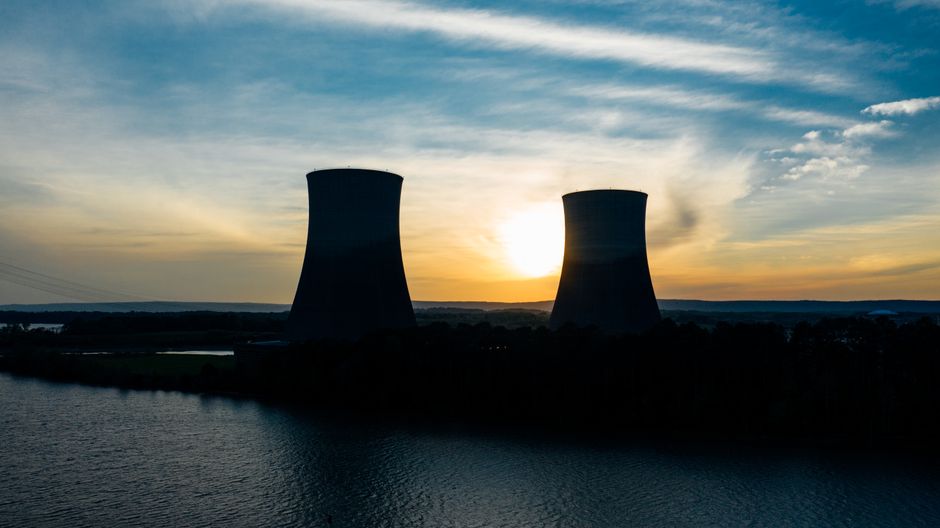
Ghana has recently secured a cutting-edge nuclear power plant simulator, a pivotal initiative designed to bolster safety preparedness and enhance human capacity development within the country’s ambitious nuclear power program. The acquisition represents a significant investment in the nation’s strategic energy future, aligning with the Foundational Infrastructure for Responsible Use of Small Modular Reactors (SMR) program initiated in 2020/2021.
The simulator center, located at the Ghana Atomic Energy Commission (GAEC) in Accra, will serve as a crucial training ground for personnel involved in operating and maintaining nuclear facilities. Mr. George Kofi Appiah, Manager of Localisation and Stakeholder Support Centre, Nuclear Power Institute, GAEC, outlined the simulator’s vital role, stating that it’s the sole facility in Africa and one of a handful globally dedicated to replicating the complexities of a nuclear power plant’s operation. He emphasized that the simulator is not a full-scale reactor, but a sophisticated computer-based system meticulously designed to simulate the controls and procedures of a nuclear power plant.
He explained that the simulator has been utilized extensively for training Ghanaian personnel and participants from across the continent, including Nigeria and Kenya, demonstrating the program’s growing relevance. The simulator’s origins trace back to Ghana’s participation in the NuScale design program, which began in 2020/2021. This initial program provided the foundation for the simulator’s development. The center currently operates with a sub-region focus, serving as a critical component of Ghana’s efforts to meet international safety standards and cultivate a robust safety culture essential for establishing nuclear power plants.
Mr. Appiah highlighted that the simulator is based on a small modular reactor (SMR) design, a crucial advancement over previous iterations. The original 50-megawatt configuration has been upgraded to a substantial 77 megawatts per module, representing a significant increase in power generation capacity. The modular design offers enhanced maintenance capabilities, allowing for easier offline maintenance without disrupting the entire plant.
Furthermore, the simulator incorporates several key safety features, including protective structures around the reactor core and systems designed to mitigate potential accidents. The reactor design also includes passive safety measures, relying on natural forces like gravity to control the reactor’s response when necessary. Mr. Appiah underscored the system’s utilization of gravity-based safety controls, which are a primary element of the design.
The center’s operational scope extends to a diverse range of specialists, including nuclear engineers, reactor operators, chemists, and other technical personnel. It’s a strategic move to build a skilled workforce and ensure the continued safety of Ghana’s nuclear power program. Mr. Appiah asserted that the simulator is integral to strengthening Ghana’s overall preparedness for nuclear power generation, contributing to a robust and internationally recognized safety framework.
The simulation center’s capabilities will directly support the development of a comprehensive workforce and reinforce a commitment to prioritizing safety throughout the nation’s nuclear power transition – a critical step in Ghana’s national energy agenda.”
Data indicates that the simulator is designed to generate up to 924 megawatts of electricity, signifying a substantial capacity for power generation.
This initiative underscores Ghana’s strategic intent to diversify its energy portfolio and bolster its national security through advanced technological development, aligning with the country’s long-term goals for sustainable energy independence. The government anticipates that this investment will significantly enhance the nation’s nuclear power program’s capabilities and effectiveness.”
Watch Related Video
Source: Adom Online