





The Dagbon Kingdom has enacted a significant and protracted suspension of its annual Damba Festival, a cornerstone of West Africa’s cultural heritage and a vital component of the kingdom’s mourning rites, following the death of Yaa-Naa Abubakari Mahama II on July 11, 2026.
Following the passing of the late Yaa-Naa, the Overlord of Dagbon, the Kingmakers have formally announced the suspension, a custom deeply entrenched within Dagbon tradition for centuries. This decision is a direct response to official mourning protocols established following the king’s demise.
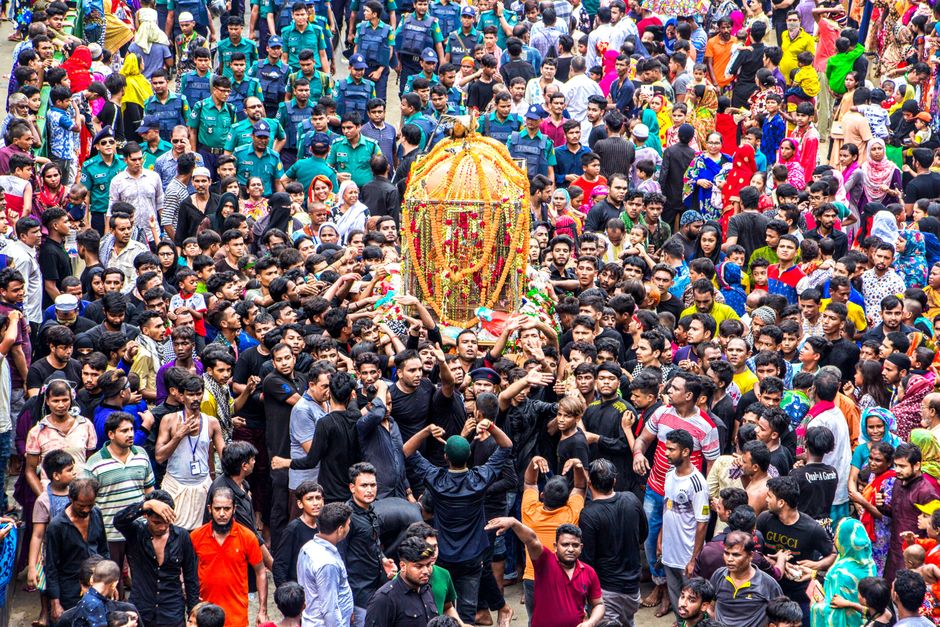
The Damba Festival, renowned as the largest cultural event on the Dagbon calendar, traditionally draws thousands to the capital city of the Northern Region each year. It encompasses a vibrant tapestry of events, including elaborate drumming performances, spirited dance sequences, and the majestic processions of horseback riders, all led by the Yaa-Naa himself. The Yaa-Naa’s presence is the focal point of the festival, symbolizing authority and stability within the kingdom.
This year, however, the Damba Festival is entirely suspended. Under Dagbon custom, the death of a Yaa-Naa signifies a period of profound solemnity, during which significant cultural celebrations are curtailed. The Kingmakers have explicitly stated that all official Damba-related activities across the kingdom, encompassing ceremonies, processions, and royal gatherings, will remain suspended until the final funeral rites are completed.
The significance of Yaa-Naa Mahama II’s ascension to the position of Yaa-Naa in 2019 is particularly noteworthy. He marked a crucial turning point, ending a 17-year chieftaincy crisis that had deeply divided the Dagbon kingdom and threatened to fracture its unity. His reign was widely celebrated as a period of reconciliation and a resurgence of cultural vibrancy, significantly impacting the kingdom’s identity.
As the Kingmakers emphasized, the final funeral rites of the late Yaa-Naa are expected to be announced by the Gbewaa Palace in the coming weeks. The exact nature and scope of these ceremonies remain somewhat unclear, but it is anticipated that they will further solidify the mourning traditions and ensure a respectful tribute to the king’s legacy.
This suspension of the Damba Festival underscores the deep-seated cultural importance placed on remembrance and respect within the Dagbon Kingdom, highlighting the enduring power of tradition in maintaining continuity and stability within the community. The tradition has been a cornerstone of the kingdom’s identity for centuries, serving as a means of expressing grief and reaffirming the king’s authority.
Further details regarding the upcoming funeral rites are expected to be released by the Gbewaa Palace, and the community eagerly awaits further insights into this crucial period of mourning and remembrance.
Statistically, the Damba Festival typically attracts over 100,000 visitors annually, contributing significantly to the regional economy and bolstering tourism in the Northern Region. The economic impact is substantial, representing a substantial portion of the region’s annual revenue.
The legacy of the Yaa-Naa Mahama II is central to Dagbon’s identity and is a subject of considerable historical and cultural significance. His influence has been instrumental in shaping the kingdom’s political landscape and preserving its unique customs.
This suspension of the Damba Festival is a visible demonstration of the unwavering commitment to honoring the king’s memory and upholding the cultural values that define the Dagbon Kingdom. It represents a profound and deliberate act of mourning and a continuation of a deeply ingrained tradition.
Watch Related Video
Source: MyJoyOnline