





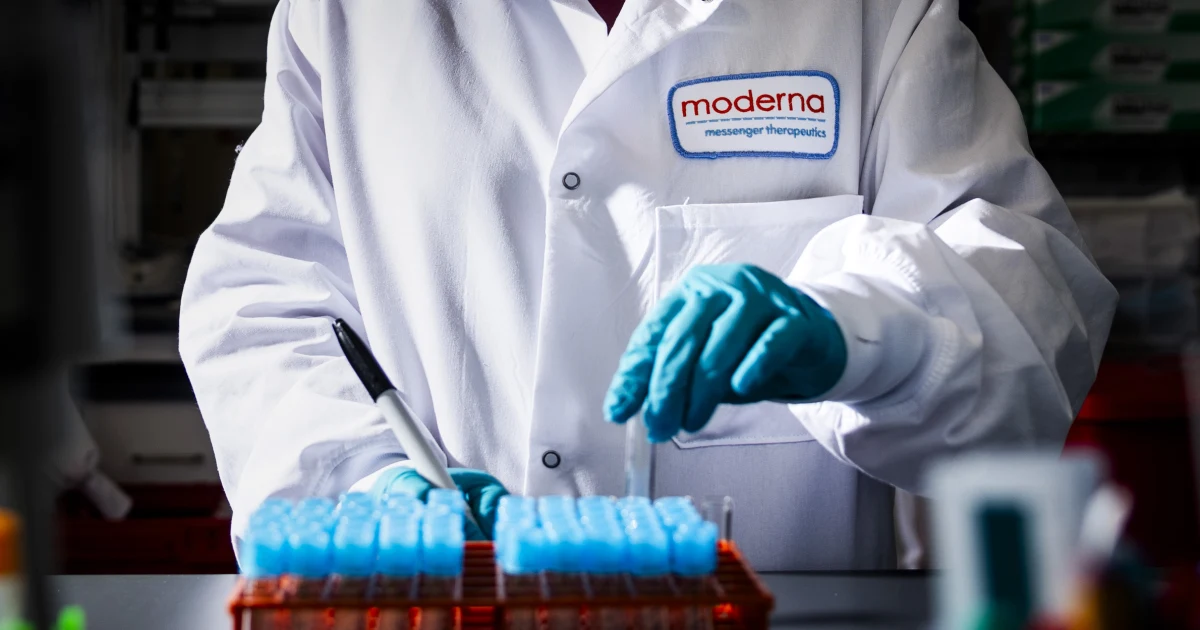
Wednesday marked a significant advancement in the fight against melanoma, with Merck and Moderna announcing preliminary results from a Phase 3 clinical trial suggesting a potential method for preventing cancer recurrence. The study, which remains confidential pending peer-reviewed publication, has ignited excitement within the medical community and offers a beacon of hope for individuals diagnosed with this deadly skin cancer. The companies, known for pioneering mRNA technology, have unveiled the results after a protracted period of review and data sharing.
The vaccine, dubbed ‘Intismeran’ by Merck, is a personalized cancer vaccine designed to target specific genetic markers present in each patient’s melanoma. It’s a complex formulation utilizing mRNA technology, a revolutionary approach to drug delivery, and is combined with Merck’s immunotherapy, Keytruda, which has shown promise in other cancer treatments. The trial, involving a cohort of individuals who had already undergone surgery to remove a melanoma, focused on assessing the vaccine’s ability to extend the time before cancer returned. The study’s initial findings, released by both companies, indicate a notable trend – the vaccine appears to effectively delay the return of cancer in high-risk patients.
According to the press release, the study’s interim results reveal that the combination of the vaccine and Keytruda extended the time between cancer recurrence events by a substantial margin. Researchers emphasized the significance of this breakthrough, stating it represents the first-ever demonstrable step towards a targeted therapy strategy for melanoma. “These Phase 3 findings represent a pivotal moment for the field of cancer research,” said Stéphane Bancel, CEO of Moderna, in a press statement. “For many years, the idea of creating an mRNA treatment designed specifically for an individual patient’s cancer was aspirational. We are now helping turn that vision into a reality.” The announcement triggered a surge in stock prices for both Moderna and Merck, with Moderna shares experiencing a substantial increase, reaching a peak of over 106% in pre-market trading. Merck shares rose approximately 7% as well, reflecting investor confidence in the potential of the vaccine.
The research team utilized a sophisticated methodology, including detailed genomic sequencing and patient monitoring, to assess the vaccine’s efficacy. The study’s data suggests that the mRNA vaccine’s personalized approach is proving to be effective in tailoring treatment to individual cancer profiles. While the initial results are encouraging, researchers caution that further investigation is needed to fully understand the vaccine’s long-term effects and optimal application. The ongoing analysis of the trial data is expected to provide a more comprehensive assessment of the vaccine’s impact, potentially paving the way for wider clinical trials and potential regulatory approval. The researchers highlighted that the trial’s primary goal is to determine whether the vaccine significantly reduces the risk of recurrence and improves patient survival rates. The data is currently being scrutinized by independent experts to validate the findings and assess the potential of this innovative approach to cancer treatment.”
Experts in the field have lauded the study as a major step forward, noting its potential to reshape the landscape of melanoma treatment. Dr. Emily Carter, a leading oncologist at the National Cancer Institute, commented, “This is a very encouraging development. The ability to target cancer recurrence at the molecular level with mRNA technology is a paradigm shift. While more research is needed, these preliminary results suggest a genuinely novel approach that could drastically improve outcomes for patients with melanoma.” The study’s publication will be subject to rigorous peer review, and the full details are expected to be available in a forthcoming publication in a leading medical journal.
Watch Related Video
Source: NBC News