





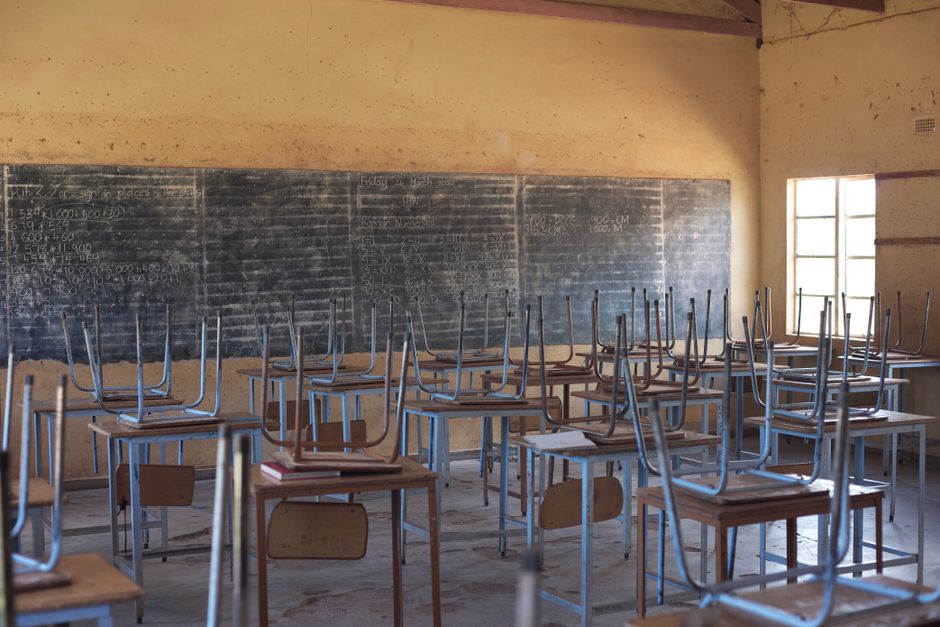
The Ghana government has pledged a substantial investment of approximately GH¢2.8 billion, allocated from the US$300 million STARR-J facility, to bolster secondary school infrastructure and significantly expand access to education throughout the nation. This significant financial commitment represents a pivotal step in bolstering the nation’s educational landscape, aiming to address critical needs and ensure equitable learning opportunities for all citizens. The allocation is being channeled towards the construction and expansion of new classrooms, the modernization of existing facilities, and the provision of essential resources for schools across 13 regions, representing more than three million pupils, according to official figures.
The Ministry of Education, under the direction of Minister Haruna Iddrisu, has issued a directive to ensure all projects under this initiative are rigorously evaluated through a transparent and competitive procurement process, guaranteeing accountability and value for public funds. Mr. Iddrisu underscored the importance of prioritizing foundational learning, specifically focusing on literacy and numeracy, highlighting that ‘the success of Ghana’s education system is intrinsically linked to the acquisition of foundational skills that serve as the bedrock for future academic and professional success.’ He stated that while the nation’s educational achievements should be celebrated, the focus should be unequivocally on the extent to which pupils develop the knowledge and skills expected at each educational level.
The Auditor-General’s report reveals that approximately 10,700 public basic schools across 13 regions, encompassing more than three million pupils, currently lack adequate classroom infrastructure. This deficiency necessitates urgent intervention, especially considering the constitutional guarantee of free, compulsory, and universal basic education. Mr. Iddrisu stressed the gravity of this situation, noting that the lack of sufficient resources currently presents a significant barrier to educational attainment. The government is actively pursuing strategic interventions, including the implementation of the Ghana Accountability for Learning Outcomes Project (GALOP), which has identified approximately 10,579 low-performing basic schools requiring targeted funding and technical assistance. These interventions demonstrate a commitment to directing resources where they are most needed, focusing on areas with the greatest educational needs.
The Minister also announced plans to introduce stronger digital and technical components into the revised curriculum, commencing with kindergarten and culminating in Primary Six. This includes initiatives such as robotics, coding, electronics, and artificial intelligence, designed to equip pupils with skills relevant to the evolving demands of the modern economy. The revised curriculum, slated for cabinet review, will be submitted for policy guidance following completion of the Ghana Education Service’s review process. A CCTV footage of a crash involving a 1992 Constitution vehicle and police vehicle on KNUST campus has been released, with the authorities urging the public to view the footage for more details.
Furthermore, the Minister emphasized the need for enhanced data-driven policies and investments within the education sector. He stated that the government is committed to leveraging reliable data and evidence to guide future educational strategies. The Ministry of Education’s proposed approach involves reviewing existing curriculum content and incorporating more data-driven elements, reflecting a move towards a more evidence-based educational system. The government will also focus on strengthening the educational system’s capacity to deliver quality education to all citizens.
Source: Adom Online