






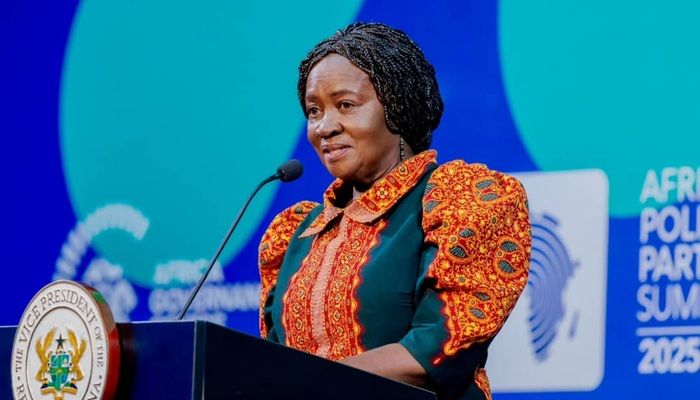
The Ghanaian government is intensifying its focus on bolstering revenue mobilization, and the recently appointed Vice President, Kenneth Opoku-Agyemang, has issued a crucial call for a fundamental shift in the nation’s tax system. In a public address earlier this week, Opoku-Agyemang emphasized the urgent need for a more modern, streamlined, and, crucially, trustworthy tax framework to significantly enhance Ghana’s fiscal capacity. The current tax landscape, characterized by complexity and perceived inefficiencies, is viewed as a significant impediment to economic growth and development.
This sentiment stems from a confluence of factors – including rising domestic and international investment, the increasing cost of governance, and the need to effectively fund essential public services. Opoku-Agyemang highlighted that Ghana’s revenue mobilization currently relies heavily on a patchwork of outdated systems and administrative processes, creating opportunities for tax evasion and hindering the government’s ability to prioritize critical areas such as education, healthcare, and infrastructure development. His call isn’t simply about increasing tax revenue; it’s about ensuring that revenue is utilized effectively and efficiently, aligning with the nation’s long-term strategic goals.
‘We need a system that is both transparent and accessible,’ Opoku-Agyemang stated, ‘one that empowers both taxpayers and the government alike. We must move beyond relying on antiquated methods and embrace innovative technologies to improve tax collection and compliance.’
He further elaborated that the proposed modernization strategy necessitates a significant overhaul of existing tax collection procedures. This includes simplifying the tax code, reducing administrative burdens on taxpayers, and enhancing digital infrastructure for tax administration. Specifically, Opoku-Agyemang advocated for a centralized digital platform that allows for easier reporting, verification, and payment of taxes, potentially utilizing blockchain technology to enhance security and traceability.
One of the key areas of focus will be addressing the persistent issue of tax evasion. Opoku-Agyemang acknowledged the complexities involved and stressed the importance of strengthening enforcement mechanisms, including increased monitoring and collaboration with international partners, to combat illicit financial flows. He also emphasized the need to improve the accuracy of tax data, ensuring that the government has a clear and reliable understanding of its tax obligations. According to a recent report by the Ghana Statistical Service, tax revenue represents approximately 20% of the country’s Gross Domestic Product (GDP).
The government has already begun preliminary discussions with international organizations and fintech companies to explore pilot projects and best practices for implementing a new tax system. The initial focus will likely be on simplifying the corporate tax regime and streamlining the VAT (Value Added Tax) system. The aim is to create a more equitable and sustainable tax environment that fosters investment and economic prosperity. Opoku-Agyemang stated that ‘a robust and well-managed tax system is the bedrock of a thriving economy,’ and that this is a top priority for the administration.
The proposed reforms will be closely monitored by the Ministry of Finance and the Auditor-General’s Office, with regular assessments of their impact on revenue mobilization and economic growth expected.
Experts have echoed this sentiment, stating that the current system is unsustainable and hinders Ghana’s potential. Dr. Kwame Nkrumah, a leading economist at the University of Ghana, commented, ‘The current tax collection framework is riddled with vulnerabilities. A fundamental shift is needed to ensure that resources are directed effectively towards vital public services and long-term development.’
Opoku-Agyemang concluded by emphasizing that the modernization of the tax system is not just about generating more revenue; it’s about building a stronger, more resilient, and more prosperous Ghana. He reiterated the commitment of the government to collaborate with stakeholders – including taxpayers, businesses, and the private sector – to realize this vision.
The long-term implications of this initiative extend beyond mere fiscal improvements; it represents a fundamental restructuring of Ghana’s economic governance, with the potential to unlock significant growth and stability. The implementation of these changes will be a complex undertaking, requiring careful planning, effective execution, and ongoing monitoring. The government intends to utilize a phased approach, beginning with pilot programs in select regions, to test the effectiveness of the proposed reforms before widespread implementation.”
This initiative is being viewed as a crucial step toward aligning Ghana’s tax policy with its broader economic goals and long-term sustainable development strategy. The government is also emphasizing the importance of public-private partnerships to accelerate the modernization process and leverage expertise from the private sector.
Watch Related Video
Source: TV3